 June 2026 in “Reproduction and Fertility”
 In this study, researchers highlighted that PCOS involves not only hormonal imbalances but also significant changes in the microbiome and immune system, which complicate its impact on fertility and suggest potential for new diagnostic and therapeutic strategies.
 June 2026 in “JAAD reviews.”
 This review suggests that low-dose oral minoxidil may enhance hair density in certain nonandrogenetic alopecias, but highlights the need for controlled trials due to mixed and limited evidence.
 June 2026 in “International Journal of Advanced Biochemistry Research”
 This report from a veterinary clinical case observed a two-year-old Lhasa apso with generalized demodicosis and severe secondary bacterial pyoderma, successfully treated through an integrated approach combining ivermectin, antimicrobials, and supportive therapies, resulting in significant clinical improvement.
 May 2026 in “The Scientific Issues of Ternopil Volodymyr Hnatiuk National Pedagogical University Series pedagogy”
 This study reported that acute thallium poisoning, investigated through three forensic cases involving both intentional and accidental overdoses, resulted in severe symptoms including neurological damage, multiple organ failure, alopecia, and, in two cases, death, emphasizing the extreme toxicity of thallium compounds.
 May 2026 in “Research Square”
 Children with alopecia areata often face more stress and depression, especially related to separation, which can affect their condition.
May 2026 in “Canadian Diabetes & Endocrinology Today” This review discusses the psychosocial impact and potential endocrine implications of androgenetic alopecia, particularly noting a moderate impairment in quality of life, but it reports no new clinical results.
May 2026 in “The Bioscan.” This review explores the potential benefits of using medicinal plants as an alternative or supplementary therapy for improving reproductive and metabolic health in women with polycystic ovary syndrome, but reports no new results.
 May 2026 in “Journal of Clinical Medicine”
 In this study, post-COVID-19 patients showed substantial multisystem symptoms six to eight months after infection compared to controls, with a higher burden in non-respiratory areas like fatigue and neurocognitive issues, despite respiratory symptoms largely resolving.
 May 2026 in “Zenodo (CERN European Organization for Nuclear Research)”
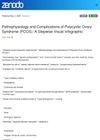
 This infographic reviews the pathophysiology and complications of PCOS, illustrating how genetic and environmental factors contribute to its development, and highlights associated metabolic and neuroendocrine effects.
 May 2026 in “International Journal of Homoeopathic Sciences”
 In this case report, a middle-aged female patient experienced significant improvement in chronic telogen effluvium symptoms, including reduced hair fall and improved hair density, following an individualized homeopathic treatment at Dr. Batra’s, highlighting the role of addressing emotional, metabolic, and nutritional factors.
May 2026 in “Journal of Pharmacognosy and Phytochemistry” This review discusses the renaming of Polycystic Ovary Syndrome to Polyendocrine Metabolic Ovarian Syndrome, reflecting its broader recognition as a multisystem metabolic-endocrine disorder, and reports no new clinical results.
April 2026 in “ScholarWorks (Walden University)” This phenomenological study reported that Malaysian women with PCOS experience significant emotional, social, and physical challenges affecting their quality of life, highlighting the need for improved patient-centered care.
April 2026 in “BMC Women s Health” This study in Urmia, Iran, characterized women with PCOS, POF, and EMs, revealing a PCOS prevalence of 17.69% and emphasizing significant lifestyle and health differences compared to healthy individuals, particularly in rural areas, alongside identifying key screening features for POF and EMs.
 April 2026 in “JOJ Dermatology & Cosmetics”
 This review highlights that effective management of PCOS-related dermatological issues, such as hirsutism and acne, requires a multidisciplinary approach involving hormonal therapies, metabolic interventions, and lifestyle changes.
 April 2026 in “Portuguese Journal of Dermatology and Venereology”
 This review summarizes the various skin manifestations linked to COVID-19 infection, vaccination, and personal protective equipment, highlighting their clinical importance and discussing psychological stress and social isolation as additional dermatologic factors.
 March 2026 in “International Journal of Homoeopathic Sciences”
 This case report describes the improvement of papulo-pustular acne in a 27-year-old woman through individualized homoeopathic treatment with Kalium bromatum, placebo, and lifestyle advice, highlighting its potential usefulness in acne management.
 February 2026 in “Indian Dermatology Online Journal”
 This study highlights that while hair oiling is an important cultural tradition in India, it may cause scalp issues for some people, suggesting a need for balanced, evidence-based dermatological advice.
 February 2026 in “Editora Pasteur eBooks”
 An integrative approach combining medical, nutritional, and lifestyle changes effectively manages female pattern hair loss.
 February 2026 in “PubMed”
 This case report describes how a 21-year-old male with alopecia areata and seborrheic dermatitis showed clinical improvements and symptom relief following a tailored, three-month functional nutrition protocol, highlighting potential benefits of addressing root causes in immune-related skin conditions.
January 2026 in “Zenodo (CERN European Organization for Nuclear Research)” This article explores the pathophysiology of alopecia and reviews various treatment options, including allopathic, homeopathic, naturopathic, cosmeceutical, and ayurvedic approaches, in light of the increasing interest in hair health and the rise in alopecia cases. Results are not reported.
January 2026 in “Zenodo (CERN European Organization for Nuclear Research)” This article explores the various causes of alopecia and provides an overview of treatments such as allopathic, homeopathic, naturopathic, cosmeceutical, and ayurvedic methods, emphasizing recent advancements in addressing hair loss.
 October 2025 in “Journal of Veterinary Diagnostic Investigation”
 This study found that in domestic cats, black hair contained significantly higher cortisol concentrations than white hair, whereas ginger hair showed no significant difference compared to white hair. Additionally, a positive correlation was reported between hair cortisol levels and behavioral issues mentioned by cat owners.

This research highlights selenium's critical roles in various biological processes and underscores the potential health impacts of both its deficiency and excess, including increased mortality risk, poor immune function, and neurological issues.
August 2025 in “Quality in Sport” In this review, the authors highlighted the importance of vitamin A for vision, immune function, growth, and skin, noting that deficiency can lead to serious health issues like night blindness and increased infection risk, while excessive intake poses toxicity risks, particularly from supplements.
 August 2025 in “Aesthetic Cosmetology and Medicine”
 In this article, researchers explored how blue light exposure affects the scalp and hair follicles, highlighting oxidative stress and hair growth disruptions, while emphasizing the importance of protective strategies like antioxidants and limiting light exposure.
 June 2025 in “IntechOpen eBooks”
 This review discusses the complex nature, diagnostic approach, and management strategies of polycystic ovary syndrome, emphasizing the importance of individualized care without presenting new clinical findings.
 May 2025 in “Research Journal of Biotechnology”
 This study found that diabetic individuals experienced significant changes in hair characteristics, including reduced thickness, strength, and altered growth cycle phases, correlated with poor glycaemic control and haematological variations compared to healthy controls.
This case report describes a unique dermatologic condition called SCRATCH, occurring in a runner due to shirt friction, which resulted in clumped axillary hairs and temporary alopecia.
May 2025 in “VETERINARY SCIENCE TECHNOLOGIES OF ANIMAL HUSBANDRY AND NATURE MANAGEMENT” In this study, researchers determined that poor feed quality and nutritional deficiency, especially low vitamin A levels, were leading causes of impaired reproductive function in nutria, with deficiencies most pronounced during February-March and linked to clinical signs like growth retardation and alopecia.
May 2025 in “International Ayurvedic Medical Journal” This review discusses meditation and Suryanamaskar for women with PCOS and reports no new clinical results; the authors emphasize Suryanamaskar's potential benefits and the need for lifestyle modifications.