January 2024 in “Biomedicines” This review discussed the cutaneous manifestations of APECED, highlighting chronic mucocutaneous candidiasis, alopecia areata, and vitiligo, while emphasizing the importance of early detection and monitoring for accurate diagnosis and patient care in various populations.
 11 citations
,
March 2020 in “American Journal of Medical Genetics Part A”
11 citations
,
March 2020 in “American Journal of Medical Genetics Part A” This study identified a novel homozygous EDNRA variant linked to Oro-Oto-Cardiac Syndrome and showed that EDNRA signaling is essential for normal craniofacial and cardiovascular development.
 April 2026 in “Zenodo (CERN European Organization for Nuclear Research)”
 This study examines how conditions like PSSD, Long COVID, and ME/CFS form a "Post-Exposure Syndromes" family, initiated by transient exposures but persisting due to complex state-space dynamics, and suggests improving pharmacovigilance to better address and understand these persistent syndromes.
 April 2026 in “Zenodo (CERN European Organization for Nuclear Research)”
 This presentation argues that post-exposure syndromes like PSSD and Long COVID form a coherent group of conditions driven by complex interactions in high-dimensional state spaces rather than singular molecular pathways.
60 citations
,
December 1988 in “Journal of Biochemical Toxicology” In this study, TCDD administered to male rats down-regulated EGF receptor in liver plasma membranes and increased protein kinase activity, suggesting EGF receptor–mediated toxicological effects.
 6 citations
,
January 2014 in “Clinical hemorheology and microcirculation”
6 citations
,
January 2014 in “Clinical hemorheology and microcirculation” This report presents a case of hereditary elliptocytosis in a 37-year-old woman with iron deficiency anemia, identifying a high percentage of elliptocytes in her blood after treatment.
 35 citations
,
April 2014 in “American Journal of Medical Genetics”
35 citations
,
April 2014 in “American Journal of Medical Genetics” The study reported a significant genotype–phenotype correlation in prepubescent males with XLHED, particularly in the severity of skin and hair manifestations between those with different EDA mutations.
28 citations
,
November 2018 in “American Journal of Medical Genetics Part A” This report describes a neurometabolic disorder linked to gain-of-function variants in the ODC1 gene, characterized by developmental delay, ectodermal abnormalities, and notable facial and neuroimaging features.
July 2017 in “ORTHOPAEDICS TRAUMATOLOGY and PROSTHETICS” This case report describes a patient with a rare combination of imperfect osteogenesis and Escobar syndrome, highlighting the genetic complexity and clinical manifestations of these conditions.
 January 2020 in “Medical journal of clinical trials & case studies”
 This report details a case of dystrophic epidermolysis bullosa in a 37-year-old male with a recessive mutation in the CLO7A1 gene, affecting type VII collagen.
 3 citations
,
August 2021 in “Research Square (Research Square)”
3 citations
,
August 2021 in “Research Square (Research Square)” This study found that increased mRNA expression of the Ectodysplasin-A2-Receptor, observed across multiple species and tissues, may exacerbate inflammation during aging, suggesting potential benefits of blocking EDA2R/EDA-A2 signaling.
March 2026 in “Journal for ImmunoTherapy of Cancer” This paper reports insights from an Expert Panel convened by the Society for Immunotherapy of Cancer on managing immune-related adverse events (irAEs) following immune checkpoint inhibitor therapy, highlighting surveillance gaps and the need for a comprehensive irAE registry to improve post-treatment care for cancer survivors.
20 citations
,
October 2001 in “British Journal of Ophthalmology” This case report suggests that intralesional cidofovir may be a consideration for treating squamous cell carcinoma, as it showed a successful outcome without systemic toxicity, although surgical excision remains preferred.
14 citations
,
April 2020 in “Journal of the American Academy of Dermatology” Viral reactivation is rare at the time of DRESS diagnosis in the U.S.
 1 citations
,
March 2023 in “European Journal of Human Genetics”
1 citations
,
March 2023 in “European Journal of Human Genetics” This retrospective study observed that patients with vascular EDS on long-term angiotensin II receptor blockers or beta-blockers experienced fewer vascular events compared to those without cardiac medication under similar lifestyle and emergency care advice.
 18 citations
,
August 2015 in “Biochemical and Biophysical Research Communications”
18 citations
,
August 2015 in “Biochemical and Biophysical Research Communications” This study found that the XEDAR receptor can activate the non-canonical NF-kB pathway involving p100 processing, which is regulated by interactions with TRAF proteins and specific kinases.
 467 citations
,
October 2014 in “European Journal of Endocrinology”
467 citations
,
October 2014 in “European Journal of Endocrinology” This paper reviews the diagnostic criteria, etiological factors, and treatment approaches for PCOS, highlighting the importance of considering metabolic issues such as insulin resistance and obesity, but reports no new findings.
 11 citations
,
September 2011 in “British Journal of Dermatology”
11 citations
,
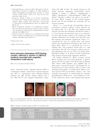
September 2011 in “British Journal of Dermatology” New ABCA12 gene mutations were linked to a skin condition with scaling and hair loss, and a treatment helped with hair loss in a related case.
March 2026 in “Experimental Dermatology” This study developed an in vitro model using NTERT keratinocytes expressing AEC-related TP63 mutations, which replicated skin defects observed in AEC patients and offers a valuable tool for understanding the disorder and developing new treatments.
 1 citations
,
December 2023 in “Curēus”
1 citations
,
December 2023 in “Curēus” This study observed that five out of fourteen individuals aged 13-16 years, who were homozygous for the p.C282Y mutation related to hemochromatosis, had increased liver and phlebotomy-mobilized iron levels.
 11 citations
,
January 1993 in “Dermatology”
11 citations
,
January 1993 in “Dermatology” In this study, researchers found histopathological similarities between L-tryptophan eosinophilic myalgia syndrome and idiopathic eosinophilic fasciitis, with certain unique inflammatory features present in the former.
 October 2023 in “IJEM case reports”
 This case report describes the diagnosis and management of a 15-year-old girl with complete androgen insensitivity syndrome, highlighting the importance of thorough physical exams for early detection and treatment planning.
 14 citations
,
July 1987 in “Contact Dermatitis”
14 citations
,
July 1987 in “Contact Dermatitis” This article describes cases of allergic contact dermatitis triggered by minoxidil but provides no new clinical findings.
22 citations
,
September 2014 in “JAMA dermatology” This study identified major criteria including ectodermal malformations for diagnosing ichthyosis with confetti, and revealed significant genetic variation in the disease locus within the general population.
 66 citations
,
June 2018 in “British Journal of Dermatology”
66 citations
,
June 2018 in “British Journal of Dermatology” These guidelines review the management of complications and specific forms of congenital ichthyosis and report no new results; they summarize expert and evidence-based recommendations for clinicians.
16 citations
,
September 2015 in “International Journal of Molecular Sciences” In this study, a genetic analysis identified a pathogenic variant in the ALOXE3 gene associated with non-bullous congenital ichthyosiform erythroderma, and the patient's response to antifungal treatment highlights the risk of cutaneous fungal infections.
 27 citations
,
February 2009 in “Autoimmunity Reviews”
27 citations
,
February 2009 in “Autoimmunity Reviews” This study describes the development of the EUSCLE Core Set Questionnaire for cutaneous lupus erythematosus, designed to standardize data collection, facilitate epidemiological analysis, and guide diagnostic and therapeutic strategies across European centers.
33 citations
,
August 2000 in “Experimental Cell Research”  October 2023 in “Pediatric dermatology”
 This study found that Middle Eastern patients with epidermolysis bullosa show specific correlations between their genetic variants and clinical features, which may aid in diagnosis and genetic counseling.
21 citations
,
August 2002 in “British Journal of Ophthalmology” This article discusses topical and intralesional cidofovir use for SCC and suggests a successful outcome in one case, with no systemic toxicity observed so far.