March 1997 in “Medical Molecular Morphology” Zinc deficiency causes early scalp hair damage that recovers slower than skin symptoms.
109 citations
,
November 1987 in “Archives of dermatology” In this study, 0.5%-1.0% anthralin cream led to a cosmetic response in 25% of patients with severe alopecia areata, despite common side effects like pruritus and erythema.
 May 2023 in “Australasian Journal of Dermatology”
 Results are not reported in this source. The abstract does not provide a summary or findings from the Australasian Journal of Dermatology regarding contact dermatitis.
 June 2018 in “Disease-a-Month”
 This study observed that patients with burning mouth syndrome had higher levels of cystatin SN in resting saliva compared to healthy controls, suggesting a potential biomarker for the condition.
 4 citations
,
March 2006 in “Journal of dermatology”
4 citations
,
March 2006 in “Journal of dermatology” This report describes a rare case of Trichophyton violaceum infection with conidia formation in a young boy, likely contracted in Dalian, China, and documents a method for visualizing conidia formation.
December 2018 in “Dermatologic Surgery” This article outlines the comprehensive content of the Dermatologic Surgery journal, which covers a wide range of topics related to cosmetic and reconstructive skin surgery, including skin cancer, but presents no new clinical results.
1 citations
,
February 1938 in “Archives of Dermatology” This piece presents a case study of a woman with diffuse alopecia, suggesting a potential link to a chronic focus of infection rather than acute fever.
November 2025 in “JDDG Journal der Deutschen Dermatologischen Gesellschaft” This study documented a case of an 11-month-old with PKU who developed acrodermatitis enteropathica-like symptoms due to severe phenylalanine deficiency, requiring dietary adjustment to restore phenylalanine levels.
 5 citations
,
July 2017 in “Skin appendage disorders”
5 citations
,
July 2017 in “Skin appendage disorders” This case report describes a 35-year-old man who developed an atypical DRESS syndrome after taking topiramate for migraine prevention, which resolved with drug withdrawal and symptomatic treatment.
January 2020 in “International Research Journal of Ayurveda & Yoga” In this study, Ayurvedic treatment including Pracchan karma, Siro lepa, and Samana chikista over four months resolved symptoms of Alopecia Areata in a woman who maintained improvement one year post-treatment.
November 2021 in “Anais brasileiros de dermatologia/Anais Brasileiros de Dermatologia” This article describes a case of pruritic folliculitis of pregnancy, a rare, benign skin condition that occurs in the later stages of pregnancy and resolves after delivery without affecting maternal or fetal health.
August 2024 in “Indian Dermatology Online Journal” In this retrospective study, researchers described the dermoscopic features of dermatitis cruris pustulosa et atrophicans in 30 patients, finding that follicular-based pustules and other specific features were predominant, with male patients being more affected and primarily involving the lower extremities.
June 2023 in “British Journal of Dermatology” In this case series, researchers observed a rare presentation of lichen planopilaris confined to the face in six patients, with dermoscopic and histopathological profiles indicating scarring alopecia and pigment changes, and suggested that shaving and mustard oil use might trigger the condition.
 December 2025 in “International Journal of Research in Ayurveda and Pharmacy”
 This case report details a 19-year-old female with autoimmune hair loss successfully managed using an integrated Ayurvedic approach, achieving complete hair regrowth and symptom resolution within two months, suggesting potential efficacy for autoimmune conditions warranting further study.
November 2017 in “Arthritis Care & Research”  November 2021 in “American Journal of Tropical Medicine and Hygiene”
 In this report, an 11-year-old girl and her 14-year-old brother developed marking nut dermatitis from an amulet, highlighting the importance of recognizing cultural practices in diagnosing skin conditions.
 May 2024 in “International Journal of Science and Research (IJSR)”
 This study evaluated the treatment of dandruff in a 19-year-old female using Tankan Bhasma mixed with coconut oil twice weekly, finding it effective and safe in reducing symptoms and improving scalp health.
 June 2026 in “Indian Journal of Postgraduate Dermatology”
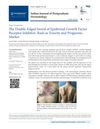
 In this reported case, a 50-year-old man developed an acneiform rash, a common skin side effect of EGFR inhibitor therapy, after starting lapatinib for breast cancer; treatment with doxycycline and hydrocortisone cream led to significant improvement within one week.
 September 2024 in “PubMed”
 This case reported that a 6-year-old patient with scalp lesions, diagnosed with tinea capitis and head lice, successfully responded to a new treatment regimen including griseofulvin, permethrin, and prednisolone, highlighting the need for better diagnosis and interprofessional communication.
January 2018 in “JAMA dermatology” This case report describes a woman with scalp lichen planopilaris who developed facial papules coinciding with her hair loss condition, raising the question of an associated diagnosis.
16 citations
,
May 2006 in “The Journal of Dermatology” This study reported successful treatment of peeling skin syndrome using topical calcipotriol.
 March 2026 in “Buletin Veteriner Udayana”
 In this case report, a combination therapy including pyrantel pamoate, chlorpheniramine maleate, vitamin B-complex, and topical candlenut oil effectively treated dermatitis and Ancylostoma spp. infection in a dog, leading to improvement in skin condition and hair growth after 14 days.
 January 2019 in “International Journal of Research in Dermatology”
 This study observed that among elderly patients, pruritus was the most common cutaneous complaint, while physiological changes like wrinkling and pathological changes such as skin tumors and eczemas were frequent findings.
 October 2023 in “International journal of science and research”
 In a case study, Ayurvedic treatments of leech therapy and topical application of Jayapala beej churna reportedly addressed dosha imbalances associated with Indralupta (Alopecia areata), resulting in new hair growth after several sessions.
 April 1940 in “Archives of dermatology”
 This abstract presents a case of arsenical dermatitis with pigmentation and alopecia developed during treatment with arsphenamine for a positive Wassermann reaction.
11 citations
,
July 1968 in “JAMA” This letter describes a case where a 43-year-old woman experienced severe itching as the presenting symptom of hyperthyroidism, alongside hair loss and other hyperthyroid features.
 July 2021 in “International journal of dermatology, venereology and leprosy sciences”
 This study found that diphenylcyclopropenone (DPCP) was more effective and better tolerated than dinitrochlorobenzene (DNCB) in promoting hair regrowth in patients with alopecia areata.
 January 2022 in “Clinical Cases in Dermatology”
 This review describes lichen planopilaris diffuse pattern and recommends topical corticosteroids as a first-line treatment, but reports no new clinical results.
 6 citations
,
February 2010 in “Journal of The American Academy of Dermatology”
6 citations
,
February 2010 in “Journal of The American Academy of Dermatology” This case report details a 31-year-old woman with a subcutaneous nodule on her hand characterized by necrosis and lymphocytic infiltrate.
3 citations
,
May 2024 in “Indian Journal of Dermatology” In this case report, researchers identified a potential adverse skin reaction, called SDRIFE or Baboon syndrome, caused by the drug tofacitinib in a 19-year-old woman being treated for alopecia subtotalis, leading the authors to recommend discontinuation of the drug.