7 citations
,
March 2023 in “Lasers in Surgery and Medicine” This study found that a single ablative fractional laser treatment significantly reduced hedgehog pathway gene expression in microscopic murine basal cell carcinomas, nearly matching the effects of repeated topical vismodegib applications.
10 citations
,
May 2020 in “International Journal of Molecular Sciences” This study suggests that human hair follicles may serve as a model for molecular analysis of ABCA4 gene splice-site variants, facilitating research into the pathogenicity of ABCA4 retinopathies.
14 citations
,
January 2011 in “The International Journal of Developmental Biology” This study showed that coexpression of TG2 and Gbx1 in the epidermis is necessary for esophagus-like mucosal transdifferentiation, with TGF-beta2 in the dermis essential for the process through epithelial-mesenchymal interaction.
15 citations
,
August 2022 in “The Application of Clinical Genetics” This review describes the clinical presentation, diagnosis, and management of adrenomyeloneuropathy, including rehabilitative therapies and spasticity management, and reports no new clinical results.
 October 2007 in “Clinical Biochemistry”
 This study identified a new genotype, V281+I172N/V281L, linked to non-classical 21-hydroxylase deficiency, suggesting it should be considered in genetic panels for the condition.
November 2025 in “The Journal of Immunology” In this study, researchers observed elevated levels of epidermal γδ T cells, keratinocytes, and an upregulation of the BST2 gene among immune cells in C3H/HeJ mice with alopecia areata, suggesting a potential role in disease pathogenesis.
 October 2024 in “Journal of the Endocrine Society”
 This study examined uncharacterized CYP21A2 gene variants related to non-classic congenital adrenal hyperplasia and found that several mutations reduce enzyme activity, which may help improve diagnostic and treatment strategies.
February 2026 in “Endokrynologia Polska” This report presents two cases of Berardinelli–Seip syndrome, emphasizing the role of genetic analysis and comprehensive care in managing the variability and complications of this rare condition.
97 citations
,
December 2011 in “New England Journal of Medicine” This article discusses the FDA's decision not to approve 5α-reductase inhibitors for prostate cancer prevention, citing an increase in high-grade tumors but no mortality evidence, and reports no new results.

This study found that Pygo2 is crucial for early intestinal hyperproliferation induced by stabilized β-catenin, suggesting it as a potential target for therapeutic intervention in cancers with β-catenin mutation.
51 citations
,
January 1997 in “PubMed” This review outlines the genetic basis of GABEB, highlighting reduced type XVII collagen as a distinguishing marker from Herlitz JEB, and discusses potential therapeutic avenues without presenting new results.
 6 citations
,
August 2022 in “The Italian Journal of Pediatrics/Italian journal of pediatrics”
6 citations
,
August 2022 in “The Italian Journal of Pediatrics/Italian journal of pediatrics” This report identified three novel genetic mutations associated with congenital ichthyosis in Italian newborns and emphasized the importance of next-generation sequencing for personalized patient management.
 April 2023 in “The journal of investigative dermatology/Journal of investigative dermatology”
 This study suggests that tissue transglutaminase (TG2) may play a role in sebum production by regulating autophagy in sebaceous glands, offering potential targets for dermatological interventions.
 1 citations
,
April 2018 in “The journal of investigative dermatology/Journal of investigative dermatology”
1 citations
,
April 2018 in “The journal of investigative dermatology/Journal of investigative dermatology” This study found that topical patidegib gel significantly shrank basal cell carcinomas in Gorlin syndrome patients without causing the systemic side effects common with oral hedgehog inhibitors.
 June 2023 in “British journal of dermatology/British journal of dermatology, Supplement”
 This case report describes a 15-year-old girl with features of Becker naevus syndrome, highlighting the importance of DNA analysis from skin to confirm the diagnosis after 9 years of symptoms.
 17 citations
,
April 2023 in “Aging”
17 citations
,
April 2023 in “Aging” In this study, the authors used AI-driven methods to identify and prioritize promising therapeutic targets that may address both aging and Glioblastoma Multiforme, proposing CNGA3, GLUD1, and SIRT1 as novel candidates.
11 citations
,
September 2021 in “American Journal of Medical Genetics Part A” This study reports that newly diagnosed patients with Bachmann-Bupp syndrome exhibit a broader phenotype than previously documented, including late-onset seizures, and suggests a possible universal biochemical mechanism involving elevated ODC activity.
 2 citations
,
February 1981 in “Journal of the Royal Society of Medicine”
2 citations
,
February 1981 in “Journal of the Royal Society of Medicine” A three-year-old girl survived a rare serious infection caused by BCG vaccination, which improved after treatment with a leprosy drug.
 June 2023 in “British Journal of Dermatology”
 This study reports a unique case of coinheritance of BRCA2 and CYLD pathogenic variants in a man with metastatic malignant cylindroma, suggesting that recognizing such genetic profiles in rare conditions can provide new treatment options, including the potential use of therapies targeting BRCA deficiency.
68 citations
,
January 2013 in “BMC Pharmacology and Toxicology” This study found that glibenclamide exhibited a cytostatic effect on MDA-MB-231 breast cancer cells, potentially mediated through K ATP channels, and enhanced the antiproliferative impact of doxorubicin.
 April 2018 in “Journal of Investigative Dermatology”
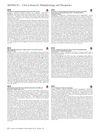
 This study found that high skin expression of amphiregulin in acute graft-versus-host disease was associated with severe disease grade, poor overall survival, and increased non-relapse mortality.
 August 2012 in “Nature Cell Biology”
 In this study, researchers found that β-catenin directly promotes TERT expression in stem and cancer cells by interacting with the Tert promoter, illustrating a mechanistic link between tumorigenesis and pluripotency.
June 2026 in “Journal of Investigative Dermatology” This study reported that the anti-γc antibody hC2 restored hair follicle homeostasis and suppressed hair loss in an AA-like mouse model by inhibiting autoreactive T-cell activity, suggesting that hC2 may offer a safer and more effective treatment for alopecia areata compared to current Jak inhibitors.
39 citations
,
October 2012 in “Familial cancer” This review covers the molecular basis of Birt–Hogg–Dubé syndrome and its implications for potential therapeutic targets, but it does not report new experimental results.
3 citations
,
September 2022 in “European Journal of Dermatology” This report identifies a novel splice-site variant in the LAMB3 gene linked to junctional epidermolysis bullosa, emphasizing the need for gene sequencing in diagnosing the disease.
January 2016 in “AACE Clinical Case Reports” In this case report, an embryonal cell carcinoma of the testicle was associated with polycythemia and markedly elevated hormone levels without secondary sexual characteristics, which were restored after treatment.
 October 2004 in “Australian Prescriber”
 This review discusses the lack of long-term clinical studies on metformin's cardiovascular benefits in women with polycystic ovary syndrome, highlighting lifestyle changes as a crucial management strategy for reducing associated risks.
148 citations
,
May 2012 in “The American Journal of Human Genetics” This study identified heterozygous mutations in the ABCC9 gene as the genetic basis of Cantú syndrome, suggesting the syndrome as a new member of potassium channelopathies.
January 2013 in “Kidney international” This report describes a clinical case of a 38-year-old man diagnosed with Birt-Hogg-Dubé syndrome, confirmed by genetic testing, highlighting the presentation of multiple renal tumors and bilateral lung cysts.
150 citations
,
June 1999 in “Oncogene”