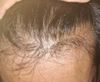
April 2026 in “Dermatological Reviews” In this study, both radiofrequency microneedling and ultrasound treatments with a plant-based secretory factor hair serum enhanced hair and scalp health in subjects with androgenetic alopecia, with ultrasound showing more pronounced improvements in hair appearance, density, and color.
December 2024 in “International Journal of Scientific Reports” This study found that OZiva+ advanced hair growth serum significantly increased hair follicle length and showed no irritation, indicating it may be a safer alternative to traditional hair loss treatments like minoxidil.
July 2026 in “Zenodo (CERN European Organization for Nuclear Research)” This study developed a water-based herbal hair serum gel containing hibiscus, amla, green tea, and linseed gel, and found that it was stable, effective against microbes, and could be a cost-effective alternative to synthetic hair care products without causing a greasy appearance or scalp irritation.
138 citations
,
July 2015 in “Clinical, Cosmetic and Investigational Dermatology” This review discusses how Western diet may contribute to acne vulgaris through insulin signaling and metabolomic changes, promoting a dietary approach for management, but reports no new experimental results.
June 2026 in “Zenodo (CERN European Organization for Nuclear Research)” This review highlights the growing consumer interest in herbal hair serums for their potential benefits in promoting hair growth, reducing hair fall, and protecting hair from environmental damage through plant-based oils, extracts, and bioactive compounds.