32 citations
,
January 1990 in “Clinical Endocrinology”
32 citations
,
January 1990 in “Clinical Endocrinology” This study found that women with female pattern androgenic alopecia have significantly higher levels of certain androgens and androgen sulfates compared to normal premenopausal women, suggesting markers for diagnosis and treatment efficacy.
 16 citations
,
February 2018 in “European Journal of Endocrinology”
16 citations
,
February 2018 in “European Journal of Endocrinology” This review discusses the challenges in measuring testosterone for assessing androgen excess in women and emphasizes the importance of quality control in laboratory methods, but it reports no new clinical results.
 May 2025 in “Anatolian journal of obstetrics and gynecology research.”
 This source highlights the essential role of androgens in women's health, noting their impact on various body systems and the critical need for more research on androgen therapies regarding side effects, patient selection, and laboratory standardization.
November 1986 in “PubMed” In this study, women with male pattern alopecia had significantly lower serum sex hormone binding globulin levels compared to healthy controls, while testosterone levels remained similar.
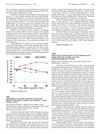 April 2010 in “The Journal of Urology”
 Human prostate cells produce more WISP1/CCN4 when there's not enough oxygen.