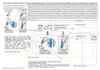
This study reviews the role of hair follicles in the development, symptoms, and treatment options for vitiligo and alopecia areata, aiming to enhance understanding of their involvement in these autoimmune conditions and explore potential therapies.
November 2022 in “Journal of Investigative Dermatology”
This study found that autologous γdTregs displayed significant protective effects on alopecia areata-affected human scalp hair follicles in both ex vivo and in vivo settings, suggesting potential for future cell-based therapy.
80 citations
,
April 2018 in “Trends in Molecular Medicine”
This review discusses the roles of interferon-γ and PPAR-γ-mediated signalling in scarring alopecia, suggesting these pathways as potential therapeutic targets, but it reports no new empirical results.
16 citations
,
July 2020 in “International Journal of Molecular Sciences”
This study found that ruxolitinib modulated inflammatory changes and stimulated growth factor signals by blocking the JAK-STAT pathway in an in vitro model of alopecia areata.
Some men have strong balding genetics that treatments like Dutasteride, Minoxidil, or Finasteride may not fully address. Early intervention is believed to help, but many accept hair loss without treatment.
Hair loss significantly affects men's confidence and mental health. Common treatments include finasteride, dutasteride, and minoxidil, with some considering hair transplants.
The treatment for androgenetic alopecia involves using finasteride and minoxidil with intense exercise and cold exposure to boost metabolism and reduce androgenic effects, potentially leading to hair regrowth. This approach may activate biological pathways for improved hair and overall health.
Scalp biopsies are crucial for diagnosing hair loss conditions like Diffuse Unpatterned Alopecia (DUPA) and retrograde hair loss, as treatments like finasteride and dutasteride may not be effective if other conditions are present. Combining PPAR-GAMMA agonists with retinoids could improve treatments for conditions like Lichen Planopilaris.