This review examines mesotherapy for local fat reduction, detailing its mechanisms, safety concerns, and the need for research toward FDA-approved uses, but reports no new clinical findings.
39 citations
,
March 2009 in “Clinics in plastic surgery”
This review discusses the evolution and studies of injection lipolysis for fat reduction, highlighting the need for more research to ensure patient safety and treatment efficacy; it reports no new clinical results.
31 citations
,
January 2014 in “International Journal of Trichology”
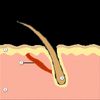
This review summarizes the anatomy and physiology of the arrector pili muscle and discusses its potential role in hair loss disorders, reporting no new clinical results.
75 citations
,
October 2016 in “Genes & Development”
This study found that Sonic Hedgehog secreted by hair follicle transit-amplifying cells is essential for dermal adipogenesis and hair follicle growth by acting on adipocyte precursors.
Intermittent fasting may inhibit hair growth by triggering a stress response that affects hair-follicle stem cells. Some users believe genetics and DHT play a larger role in hair loss, and treatments like Minoxidil and Finasteride are mentioned as ineffective for some.
PP405 may damage hair follicles if used long-term, suggesting cycling might be necessary. Combining it with finasteride could help maintain hair growth.
The conversation discusses the potential of long-chain unsaturated fatty acids, like oleic and linoleic acid, as an additional treatment for hair loss, which may inhibit the enzyme responsible for converting testosterone to DHT and promote hair growth. Users humorously suggest using oils topically and discuss other hair loss treatments, but the main focus is on the science behind fatty acids and their role in hair health.
A method for treating androgenic alopecia using minoxidil, antiandrogens, exercise, and cold exposure to promote hair growth. Environmental factors and lifestyle changes, like diet and exercise, can improve treatment effectiveness.
Treating androgenic alopecia with minoxidil, finasteride, and antiandrogens, alongside exercise, cryotherapy, and natural substances to stimulate cold receptors for better hair growth. The method focuses on enhancing treatment effectiveness by considering environmental and behavioral factors and the role of cold receptors and muscle stress.