5 citations
,
June 2024 in “Free Radical Biology and Medicine” This review highlights that current in vitro models often fail to replicate the physiological oxygen levels experienced by different skin cell types, which could affect redox states and functions, potentially accelerating skin aging.
January 2024 in “Journal of Tissue Engineering” In this study, researchers developed self-assembled skin models derived from hair follicle cells, offering an ethical and reliable alternative to animal testing and bovine collagen in dermatological research by providing functional dermal and epidermal layers for substance evaluation.
September 2026 in “DOAJ (DOAJ: Directory of Open Access Journals)” This review analyzes extracellular vesicle (EV) therapy for androgenetic alopecia, highlighting its preclinical promise and noting the need for standardized protocols and large-scale trials for clinical validation.
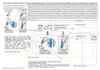
This study suggests that bio-nanovesicles, such as exosomes and microvesicles, may enhance skin and hair follicle regeneration by modulating key signaling pathways, potentially overcoming the limitations of conventional treatments for alopecia and chronic skin diseases.
13 citations
,
February 2023 in “Biology” This review highlights the potential of cell-free therapies, particularly cell extracts, in addressing radiation-induced salivary gland damage from head and neck cancer treatment, emphasizing their practicality and safety compared to traditional therapies despite incomplete understanding of their bioactive components.