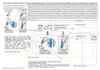
This study reports that melatonin influenced HaCaT cell proliferation, with high concentrations reducing DNA synthesis and low concentrations enhancing it after 24 hours.
3 citations
,
June 2021 in “Frontiers in genetics” This study found that STAT3 directly inhibited the activity of the sheep FST gene promoter, consequently reducing cell proliferation and promoting a better understanding of hair follicle development mechanisms.
38 citations
,
April 2016 in “Experimental Dermatology” This review discusses immunohistological and immunofluorescent methods for studying the human hair follicle cell cycle, reporting no new results, and suggests its potential for advancing cell cycle research.
In this study, human hair dermal papilla cells were incubated with varying concentrations of umbilical cord-derived mesenchymal stem cell exosomes or minoxidil, and cell proliferation was assessed, showing significant results compared to the control.
54 citations
,
April 2019 in “Journal of cellular physiology” In this study, miR-218-5p was found to enhance hair shaft growth and positively regulate the Wnt signaling pathway by targeting SFRP2 during skin and hair follicle development.