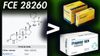
5-alpha reductase inhibitor that blocks both enzyme types, a stronger DHT blocker than finasteride
Popular 5-alpha reductase inhibitor that lowers DHT, taken as a pill or used topically
- How is Fluridil different from other DHT blockers like finasteride? Fluridil is a topical androgen-receptor blocker applied to the scalp, while finasteride is an oral 5-alpha-reductase inhibitor that lowers DHT throughout the body. Finasteride is FDA-approved and far better studied; Fluridil rests on one 43-man trial and is not licensed as a hair-loss medicine, so its long-term safety and effect size are unknown.
- Does metformin help control DHT levels that trigger androgenic alopecia? Small studies have found that metformin lowers circulating androgens in women with PCOS, but no published study has measured scalp DHT, 5-alpha reductase activity in the follicle, or hair density in anyone taking it — so its effect on pattern hair loss is untested, and it is not a DHT blocker.
Palm-berry extract taken as a supplement
Acid used in acne and rosacea creams
Herb whose oil is used in hair care
- Minoxidil 2%, 5% and 10% which is better to use? In a randomized trial in men, 5% topical minoxidil produced more hair growth than 2%, and in one small trial 10% did not beat 5% and caused more irritation. No 10% product is approved in the US, and approved strengths differ by sex, so check the label for your product.