TLDR AMH helps estimate ovarian reserve but doesn't predict pregnancy chances; age is more important.
This narrative review discusses the role of Antimüllerian hormone (AMH) in evaluating female fertility, particularly as a marker of ovarian reserve. AMH correlates with the number of growing follicles and is used to estimate ovarian reserve, determine dosing in ovarian stimulation, and predict stimulation response. However, AMH does not reflect oocyte health or chances for pregnancy and should not be used to withhold treatment. Low AMH levels may indicate a shortened reproductive window but must be interpreted considering the endocrine environment and factors like body mass index. While AMH is a useful marker, age remains the most significant factor in determining fertility treatment success.

767 citations
,
September 2016 in “Human Reproduction” Polycystic ovary syndrome affects about 6-10% of women, with varying symptoms and the need for standardized global definitions.
221 citations
,
January 2014 in “Human Reproduction” Adding anti-Müllerian hormone to PCOS criteria lowers the number of women diagnosed.
4809 citations
,
January 2004 in “Fertility and Sterility” The 2003 consensus updated PCOS diagnosis criteria and highlighted increased risks of diabetes and heart disease for those affected.
991 citations
,
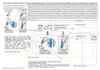
January 2011 in “Nature Reviews Endocrinology” The document concludes that PCOS is a complex disorder caused by both genetic and environmental factors, affecting women's health in various ways, and requires personalized treatment.
45 citations
,
May 2022 in “Biomedicines” Analyzing follicular fluid can help predict and improve outcomes for women with PCOS undergoing fertility treatments.
18 citations
,
October 2022 in “Biomedicines” High AMH levels are linked to PCOS in women and may have a male equivalent with similar traits.
4 citations
,
May 2022 in “BMC Women's Health” High levels of anti-Müllerian hormone can indicate polycystic ovarian syndrome in women who can have babies.
2 citations
,
March 2011 in “Infertility” The conclusion is that lifestyle changes and weight loss are first-line treatments for infertility due to anovulation, with various medications and assisted reproductive technologies as additional options.