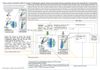
TLDR P-auricular skin is the best donor site for high stem cell content in keratinocyte cultures.
The study evaluated the impact of different anatomic sites on the quality of keratinocyte cultures for skin grafting in burn patients, focusing on the proportion of stem cells. It compared scalp, chest, and p-auricular skin, using Keratin 19 as a marker for stem cells. Results showed that p-auricular skin yielded about twice the proportion of K19-positive cells compared to the scalp in vitro, although scalp had more K19-positive cells in situ. Chest skin had the lowest stem cell content. The findings suggested that the choice of donor site and the ability to extract stem cells significantly influenced the quality of keratinocyte cultures.
 120 citations
,
August 2008 in “The journal of investigative dermatology/Journal of investigative dermatology”
120 citations
,
August 2008 in “The journal of investigative dermatology/Journal of investigative dermatology” Cytokeratin 19 and cytokeratin 15 are key markers for monitoring the quality and self-renewing potential of engineered skin.
45 citations
,
December 2007 in “The FASEB journal” There are two types of stem cells in rodent hair follicles, each with different keratin proteins.
405 citations
,
January 2004 in “Journal of Investigative Dermatology” Hair follicle size and distribution vary significantly across different body sites.
48 citations
,
August 2001 in “Experimental dermatology” Researchers created a quick, cost-effective way to make skin-like tissue from hair follicles and fibroblasts.
441 citations
,
May 1996 in “Journal of Cell Science” Keratin 19 helps identify skin stem cells, with its presence varying by body location, age, and culture stage.
 165 citations
,
June 2007 in “European Journal of Cell Biology”
165 citations
,
June 2007 in “European Journal of Cell Biology” Hair follicle stem cells are key for hair and skin regeneration, can be reprogrammed, and have potential therapeutic uses, but also carry a risk of cancer.
 1160 citations
,
November 2018 in “Physiological Reviews”
1160 citations
,
November 2018 in “Physiological Reviews” The document concludes that better targeted treatments are needed for wound healing, and single-cell technologies may improve cell-based therapies.
 232 citations
,
October 2015 in “International journal of molecular sciences”
232 citations
,
October 2015 in “International journal of molecular sciences” Stem cells are crucial for skin repair and new treatments for chronic wounds.
192 citations
,
January 2018 in “Burns & Trauma” Current skin substitutes help heal severe burns but don't fully replicate natural skin features.

Dermal stem cells help regenerate hair follicles and heal skin wounds.