Take every crazy results picture with a thick grain of salt Chat 5/29/2024
Lighting and camera angles can greatly affect the appearance of hair thickness in photos. Consistent conditions are crucial for tracking progress, and treatments like Minoxidil and finasteride can show results in about 6-8 months.
View this post in the Community →
Similar Community Posts Join
6 / 1000+ resultscommunity A concise, easy-to-understand post on Androgenic Alopecia theory and its practical applications
The mechanism of Androgenic Alopecia and practical applications of treatments like Minoxidil, Finasteride, RU58841, dermarolling, scalp massages, anti-fungals, progesterone, estrogen, PPAR-γ activators, reducing oxidative stress, and scalp exercises. It explains why DHT is important in AA and how other factors might be involved such as hypoxia, increased DKK-1 expression, morphological changes to the scalp, skull growth during childhood/puberty, and blood flow.
community Melatonin a possible tool to help fight AGA hair loss.
Topical melatonin may help reduce hair loss and increase hair thickness in people with androgenetic alopecia (AGA), with some studies showing positive results. It can be mixed with minoxidil for application, and its effectiveness might be enhanced when used with micro-needling, but results may vary among individuals.
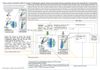
community Compressed part of research of theory of androgenic/anabolitic balance. AGA h-responders analytic. Theory of physio-metabolitic method of anti AGA treatment
The treatment for androgenetic alopecia involves using finasteride and minoxidil with intense exercise and cold exposure to boost metabolism and reduce androgenic effects, potentially leading to hair regrowth. This approach may activate biological pathways for improved hair and overall health.
community 21M, Dermatologist prescribed only Minoxidil
A 21-year-old was diagnosed with early-stage androgenetic alopecia and prescribed only minoxidil 5% and ketoconazole shampoo by a dermatologist, who advised against finasteride for now. The user is skeptical about starting minoxidil due to concerns about increased hair loss.
community DHT Harms Scalp Microbiome: DHT Itch is REAL
Increased Malassezia and Cutibacterium in the scalp microbiome are linked to higher sebum production and inflammation in androgenetic alopecia (AGA). Treatments include ciclopirox shampoo, benzoyl peroxide shampoo, clobetasol propionate, calcipotriol, minoxidil, finasteride, and dutasteride.
community Serum based on plant extracts boosts hair growth in weeks.
A serum containing Centella asiatica extracellular vesicles, IGF-1, FGF-7, and caffeine significantly improved hair thickness, density, length, and reduced hair loss after 56 days. The conversation also discusses how treatments like finasteride, minoxidil, and ketoconazole address different aspects of hair loss by reducing DHT, improving blood flow, and lowering inflammation.
Related Research
6 / 1000+ results
research Development and characterization of phyto-vesicles of β-sitosterol for the treatment of androgenetic alopecia
Phyto-vesicles of β-sitosterol may effectively treat hair loss.

research Amelioration of Androgenetic Alopecia by Algal Oligosaccharides Prepared by Deep-Sea Bacterium Biodegradation
Algal oligosaccharides help prevent hair loss and promote hair growth.
research Nitric oxide synergizes minoxidil delivered by transdermal hyaluronic acid liposomes for multimodal androgenetic-alopecia therapy
The new hair loss treatment combining nitric oxide and minoxidil in a special carrier is effective for hair regrowth.

research Advanced medical treatments for hair loss
New hair loss treatments like stem cells and gene therapy show promise but need more research for safety and effectiveness.

research Hair Growth-Promoting Mechanisms of Red Ginseng Extract through Stimulating Dermal Papilla Cell Proliferation and Enhancing Skin Health
Red Ginseng Extract helps hair grow and improves skin health by stimulating cell growth and enhancing the body's antioxidant defense system.
research Abstracts Pt.30
Terbinafine is more effective than itraconazole for toenail fungus, especially in older patients, and debridement improves its effectiveness.