This is not a cure. This is a miracle. Propecia and Minoxidil are not air, they are a very powerful force. 1 mg fin 2 a day Minoxidil- 17 Months Progress Pictures 2/3/2025
A user shared their successful hair regrowth experience using 1 mg oral finasteride daily and topical minoxidil twice a day for 17 months, along with microneedling and Ketosol shampoo. They reported significant hair density improvement without side effects, attributing their results to consistency and being a good responder to the treatment.
View this post in the Community →
Similar Community Posts Join
6 / 6 resultscommunity 6 months of 1 mg of oral finasteride a day and 2ml of topical minoxidil 5%
A user shared impressive hair regrowth results after six months of using 1 mg oral finasteride daily, 2 ml topical minoxidil 5%, ketoconazole shampoo, and vitamin D and iron supplements. The user reported no side effects and attributed the success to a combination of treatments for androgenetic alopecia and iron deficiency.
community Inflammation's surprising role in shrinking hair follicles and AGA
Inflammation plays a significant role in hair follicle miniaturization and androgenetic alopecia, with treatments like ketoconazole shampoo, minoxidil, and finasteride being used to address it. Users discuss the benefits of anti-inflammatory treatments and peptides like KPV, alongside traditional hair loss treatments, to improve scalp health and hair quality.
community Androgenetic alopecia is a skin disease: DHT-mediated skin disorders
Dihydrotestosterone (DHT) impacts various skin conditions, including Androgenetic alopecia and seborrheic dermatitis, by causing overactivity in sebaceous glands. Topical medications Tacrolimus and Clobetasol can reduce these inflammatory conditions, and treatments like RU58841, Minoxidil, and Finasteride may also be beneficial.
community What is something that is treated as common knowledge or consensus in this community but lacks evidence, is missing nuance, or is simply untrue?
Common misconceptions about hair loss treatments include the belief that lower doses of finasteride are as effective as higher doses, and that ketoconazole is effective for androgenetic alopecia without scalp issues. Additionally, minoxidil's effects can be seen sooner than commonly thought, and topical dutasteride is effective.
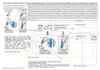
community Compressed part of research of theory of androgenic/anabolitic balance. AGA h-responders analytic. Theory of physio-metabolitic method of anti AGA treatment
The treatment for androgenetic alopecia involves using finasteride and minoxidil with intense exercise and cold exposure to boost metabolism and reduce androgenic effects, potentially leading to hair regrowth. This approach may activate biological pathways for improved hair and overall health.
community Physio-metabolic method of treating androgenic alopecia. Cold receptors. The relationship between DHT, cold receptors, minoxidil and antiandrogens.
A method for treating androgenic alopecia using minoxidil, antiandrogens, exercise, and cold exposure to promote hair growth. Environmental factors and lifestyle changes, like diet and exercise, can improve treatment effectiveness.
Related Research
6 / 6 resultsresearch Revisión actualizada del tratamiento de la alopecia androgenética femenina
This review of female androgenetic alopecia treatments reports limited therapeutic options due to unclear pathogenesis, with minoxidil as the only FDA-approved treatment and adjuvant therapies under investigation.
research Treatment of Hyperandrogenic Alopecia in Women
Hair loss in women can be treated with hormone therapy.
research Managing patterned hair loss – a hair raising task!
This review summarizes existing knowledge on diffuse and patterned alopecia, emphasizing recent advancements in treatment beyond FDA-approved options, but it reports no new clinical findings.
research Sulfotransferase SULT1A1 activity in hair follicle, a prognostic marker of response to the minoxidil treatment in patients with androgenetic alopecia: a review
This review discusses the potential of using SULT1A1 expression in the scalp as a biomarker to predict response to minoxidil treatment for androgenetic alopecia, but reports no new clinical results.
research A decade of progress in androgenetic alopecia management: Emerging therapies and multimodal strategies
This review reports that the treatment of androgenetic alopecia is shifting from single therapies to personalized, multimodal approaches incorporating both traditional and emerging pharmacologics, regenerative strategies, nutraceuticals, cosmeceuticals, and device-based interventions, with combination regimens showing improved outcomes.
research Topical solutions for androgenetic alopecia: evaluating efficacy and safety
This review evaluates various topical treatments for androgenetic alopecia but does not provide new clinical findings, emphasizing the need for selecting therapies with limited systemic side effects.