The Biggest Concern That I Have For Oral Minoxidil: Cardiac Hypertrophy 6/11/2023
Oral minoxidil can cause serious heart issues like cardiac hypertrophy and arrhythmias, prompting some users to reduce dosage or switch to topical treatments. Despite significant hair regrowth, side effects such as shortness of breath and chest pains are common concerns.
View this post in the Community →
Similar Community Posts Join
5 / 5 resultscommunity Low-Dose Oral Minoxidil Does Not Significantly Affect BP
Low-dose oral minoxidil is used for hair loss and does not significantly affect blood pressure but may increase heart rate and cause hypotensive symptoms. Some users experience side effects like palpitations and shortness of breath, while others find it effective; topical minoxidil with tretinoin is also considered.
community What's "wrong" with oral minoxidil, exactly?
Oral minoxidil can boost hair growth but may cause side effects like heart palpitations and increased body hair. Many prefer topical minoxidil due to fewer side effects.
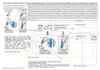
community Compressed part of research of theory of androgenic/anabolitic balance. AGA h-responders analytic. Theory of physio-metabolitic method of anti AGA treatment
The treatment for androgenetic alopecia involves using finasteride and minoxidil with intense exercise and cold exposure to boost metabolism and reduce androgenic effects, potentially leading to hair regrowth. This approach may activate biological pathways for improved hair and overall health.
community How is this even possible that there is no cure till now
There is no permanent cure for hair loss; treatments like finasteride, minoxidil, and hair transplants require ongoing use and are not universally effective. Genetic complexity and financial incentives for ongoing treatments hinder the development of a definitive cure.
community Stop the fear mongering of oral minoxidil its one of the best treatments available in 2020. It does not cause heart lesions or adverse cardiac effects like people claim. I am maintaining with just oral minoxidil with retrograde alopecia and diffuse thinning all over nw3 hairline
Oral minoxidil is considered a safe and effective treatment for hair loss at low dosages, with minimal cardiac risks. Users report positive results, though some experience side effects like increased heart rate and skin changes, and consulting a doctor is advised.
Related Research
6 / 6 resultsresearch AUSTRALIAN TRIAL OF TOPICAL MINOXIDIL AND PLACEBO IN EARLY MALE PATTERN BALDNESS
This study found that 2% minoxidil solution significantly increased non-vellus hair counts and regrowth rates compared to placebo in men with early androgenic alopecia, suggesting it is an effective treatment.
research Topical minoxidil: cardiac effects in bald man.
This study found that topical minoxidil increased heart rate and had significant effects on cardiac volumes and mass compared to placebo, but its long-term safety remains uncertain.
research Characterization and Management of Adverse Events of Low-Dose Oral Minoxidil Treatment for Alopecia: A Narrative Review
This study reviewed adverse events associated with low-dose oral minoxidil for treating alopecia, finding hypertrichosis and fluid retention as common, typically manageable side effects without needing treatment discontinuation.
research Treatment options for androgenetic alopecia: Efficacy, side effects, compliance, financial considerations, and ethics
This review discusses treatment options for androgenetic alopecia, highlighting the need for personalized, evidence-based approaches but reports no new clinical results.
research Evaluación de la seguridad de minoxidil oral a dosis bajas en el tratamiento de la alopecia
In this study, low-dose oral minoxidil was found to have a favorable safety profile for treating alopecia, with mostly mild side effects, in both general and hypertensive populations.
research K channel therapeutics at the bedside
This article reviews the therapeutic potential of potassium channel openers for various conditions related to metabolic distress but does not report new clinical results; it emphasizes the need for further research.