Rate my treatment stack from 1-10 Chat 12/24/2024
The conversation discusses various hair loss treatments, with a focus on pyrilutamide, minoxidil, and alternatives to finasteride due to intolerance. Users suggest adding a DHT blocker like finasteride or dutasteride, and some recommend trying topical versions to reduce side effects.
View this post in the Community →
Similar Community Posts Join
5 / 5 resultscommunity I really hate how current hair loss treatment only rely on DHT blockers
The conversation discusses dissatisfaction with current hair loss treatments that mainly focus on DHT blockers like finasteride and dutasteride. Alternative treatments mentioned include RU58841, pyrilutamide, minoxidil, rosemary oil, and future possibilities like hair cloning.
community If you had to abandon DHT blockers, what’s next?
Users discuss alternatives to DHT blockers for hair loss, suggesting minoxidil, microneedling, natural DHT blockers, and scalp massages. Some explore RU58841, ketoconazole, hair transplants, and hair systems due to side effects from finasteride and dutasteride.
community If PP405 does revive "dead" hair follicles would DHT blockers theoretically be enough to maintain that new hair
PP405 may revive dormant hair follicles, and DHT blockers like finasteride or dutasteride could maintain new hair. Combining PP405 with minoxidil might be optimal, but long-term effects and continuous use are uncertain.
community Using minoxidil for 6 months. Not seeing results
Minoxidil alone is not effective for hair regrowth; adding a DHT blocker like finasteride or dutasteride is recommended. Dermastamping and micro-needling can enhance results, and some users suggest trying oral minoxidil or natural DHT blockers.
community minoxidil (15 months) and pyrilutamide (46 days) results.
OP used minoxidil for 15 months and pyrilutamide for 46 days, achieving desired results without side effects. Users discussed alternatives like dutasteride and finasteride, with concerns about side effects like erectile dysfunction.
Related Research
6 / 6 results
research Androgenetic alopecia - a literature review
This review highlights that while finasteride and minoxidil effectively treat androgenetic alopecia, emerging options like dutasteride, mesotherapy, androgen blockers, and red LED therapy show promising results, especially when used in combination, though further research is needed for standardization and safety confirmation.

research Updates in Treatment for Androgenetic Alopecia
This review discusses current and emerging treatments for androgenetic alopecia, covering mechanisms, efficacy, and safety of both androgen-targeted and non-androgen-targeted approaches, but reports no new clinical results.

research Molecular Mechanisms and Targeted Therapeutics in Androgenetic Alopecia: From Signaling Pathways to Regenerative Approaches
This review examines androgenetic alopecia, detailing its causes and current treatments, but reports no new clinical results; the authors emphasize understanding its complexity for personalized therapy development.
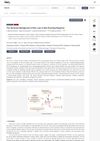
research The Hormonal Background of Hair Loss in Non-Scarring Alopecias
This review examines the hormonal causes of hair loss, noting how androgen excess can lead to follicle miniaturization and linking estrogen deficiency and thyroid dysfunction to common alopecia types. It further discusses hormonal treatments such as finasteride, dutasteride, and spironolactone.
research A decade of progress in androgenetic alopecia management: Emerging therapies and multimodal strategies
This review reports that the treatment of androgenetic alopecia is shifting from single therapies to personalized, multimodal approaches incorporating both traditional and emerging pharmacologics, regenerative strategies, nutraceuticals, cosmeceuticals, and device-based interventions, with combination regimens showing improved outcomes.

research Androgens/Androgen Receptor in the Management of Skin Diseases
This review discusses the roles of androgens and androgen receptor in skin diseases like acne and hirsutism, and highlights the promise of antiandrogen drugs, reporting no new clinical findings.