New shedding after 2.5 yrs finasteride + 5 months minoxidil — cycle shed or something else? Minoxidil 2/14/2026
A user experienced increased hair shedding after 2.5 years on finasteride and 5 months on minoxidil, possibly due to recent additions like supplements and microneedling. Others shared similar experiences with minoxidil shedding, suggesting it may be a normal part of the process, with hair often growing back thicker.
View this post in the Community →
Similar Community Posts Join
5 / 5 results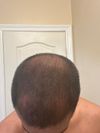
community 22M, Hair Loss Worsening Despite Microneedling and Supplements, Considering Minox/Fin
A 22-year-old experiencing severe hair loss is considering using Minoxidil and finasteride despite initial reluctance, and is also using vitamins and micro-needling. They are contemplating a hair transplant but are advised to wait until at least age 30.
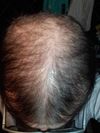
community 30M Experiencing Shedding After Restarting Min + Fin + Mesotherapy, Is It Too Late?
A 30-year-old is seeking advice on hair loss treatment, currently using oral minoxidil, finasteride, mesotherapy, and a supplement. They are experiencing shedding and are anxious about the effectiveness of the treatment, asking if they should continue or consider other options like topicals or microneedling.
community Zinc ANNIHILATED my hair. A cautionary warning.
Zinc supplementation caused significant hair shedding for the user, who had been successfully managing hair loss with finasteride, minoxidil, RU58841, and microneedling. The user discontinued zinc after noticing no libido increase and believes the hair loss was due to zinc's interaction with other minerals or hormonal changes.
community Non-responder to minoxidil for years
A 22-year-old has been using minoxidil and finasteride for hair loss with initial success, but later experienced increased shedding and no regrowth. They recently added vitamin D3 supplements and microneedling, which reduced shedding, but are seeking advice on regrowth, with suggestions to try tretinoin with minoxidil and consider dutasteride.
community 1.5 year on finasteride,microneedling,and minoxidil.Nothing helps its getting even worse.Is it possible that finasteride doesnt work on everybody? 19m
The user has been using topical finasteride, minoxidil, microneedling, and various supplements for hair loss without success, and is advised to reduce microneedling frequency and consider oral finasteride or dutasteride. It is noted that finasteride may not work for everyone, and some users suggest checking hormone levels and deficiencies.
Related Research
6 / 6 resultsresearch Clinical Trials and Hair Loss
This review explores the current treatments for different types of alopecia, emphasizing the need for well-designed clinical trials and highlighting that most therapies are used off-label, as only androgenetic alopecia has FDA-approved drugs.
research Potential application of PBM use in hair follicle organoid culture for the treatment of androgenic alopecia
This article discusses photobiomodulation as a potential adjunct to hair follicle organoid culture for androgenic alopecia, reporting no new results and suggesting further study is needed.
research Self-Assessments of Standardized Scalp Massages for Androgenic Alopecia: Survey Results
This study found that standardized scalp massages may help stabilize or regrow hair in individuals with androgenic alopecia, as perceived by the participants themselves.
research Androgenetic Alopecia: Therapy Update
This comprehensive review analyzes androgenetic alopecia treatments, discussing the mechanisms, costs, efficacy, and safety of FDA-approved drugs like minoxidil and finasteride, as well as newer non-FDA-approved options that have shown effectiveness across various studies.
research Managing patterned hair loss – a hair raising task!
This review summarizes existing knowledge on diffuse and patterned alopecia, emphasizing recent advancements in treatment beyond FDA-approved options, but it reports no new clinical findings.
research Hair Restoration in Androgenetic Alopecia: Looking Beyond Minoxidil, Finasteride and Hair Transplantation
This review discusses the emerging pathophysiological factors and potential new therapies for androgenetic alopecia beyond traditional treatments, but reports no new results.