Need advice with finishing off my hair loss :) Treatment 10/3/2021
User is a Norwood 2-2.5, using 1.25 mg finasteride and 5% minoxidil lotion daily since June last year, experiencing significant regrowth. They are considering additional treatments like saw palmetto, microneedling, dutasteride, aminexil, stemoxydine, mesotherapy, ketoconazole shampoo, and alfatradiol to improve hair thickness.
View this post in the Community →
Similar Community Posts Join
5 / 5 resultscommunity Husband’s 2.5 month progress so far - I’m amazed!!
A husband saw significant hair regrowth in 2.5 months using minoxidil, finasteride, collagen, biotin, multivitamins, GHK-cu, microneedling, and scalp oils. His wife highlighted the routine's effectiveness and the importance of consistency.
community 3.5 months minoxidil , 2.5 months 1mg fin update ( also 22 kg weight loss in 6 months! )
A 21-year-old experienced hair regrowth and improved health after using topical minoxidil, finasteride, and zinc shampoo, alongside lifestyle changes like weight loss and exercise. They also started microneedling and managed seborrheic dermatitis with benzoyl peroxide mixed in shampoo.
community Here are the results from my journey! I used saw palmetto tablets instead of Finasteride(I was afraid of using it), 5% Minoxidil spray and Derma Pen once a week 1.5mm.
The user shared their positive hair regrowth experience using saw palmetto tablets, 5% minoxidil spray, and a Derma Pen. The conversation debates the effectiveness of saw palmetto versus finasteride, with some advocating for natural treatments and others emphasizing the proven results of finasteride and minoxidil, often in combination with microneedling.
community 2 month difference before (first 4 photos) vs after
A 16-year-old has been using microneedling, rosemary oil, coconut oil and egg mask, Nizoral shampoo, saw palmetto, and supplements for hair loss and is asking if there's progress. It's suggested to replace some oils with minoxidil, continue saw palmetto, and possibly start finasteride at 18.
community 5 months Finasteride (.5mg) and Minoxidil (2.5mg)
The user experienced significant hair regrowth and improved hair health after 5 months of using 0.5mg finasteride and 2.5mg minoxidil daily, with only minor side effects like reduced libido. The user is optimistic about achieving over 90% regrowth and may not need a hair transplant.
Related Research
6 / 6 results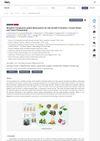
research Bioactive Compound-Loaded Nanocarriers for Hair Growth Promotion: Current Status and Future Perspectives
This review highlights various plant-based and herbal treatments that reportedly help prevent hair loss and encourage hair growth. It also explores the molecular mechanisms, identified plant compounds, recent technologies such as nanoarchitectonics, and patents related to hair growth promotion.

research Beyond Minoxidil: Off-Label Therapies for Male Androgenetic Alopecia—A Systematic Review with Network Meta-Analyses
In this network meta-analysis, the researchers reported that topical minoxidil 5% was the most effective off-label therapy for increasing hair density in men with androgenetic alopecia, while other treatments like melatonin and cetirizine showed potential benefits, highlighting a need for further comparative trials.
research Efficacy of an Oral Ageratum Conyzoides Formulation on Increasing Hair Growth and Decreasing Hair Loss in Males and Females: A Randomised Double-Blind Placebo-Controlled Study
This study found that 12-week oral supplementation of Ageratum conyzoides extract significantly reduced hairline recession and affected prostaglandin levels in adults with hair loss, though hair density increases were not statistically significant, and no improvements were found in other hair loss measures compared to placebo.

research Androgenetic Alopecia: update on Etiology, Pathophysiology, Diagnosis and Treatment
In this review, the authors explored current and novel treatment options for androgenetic alopecia, noting both FDA-approved pharmacologic treatments like Minoxidil and Finasteride and various non-pharmacologic and surgical methods, including hair transplantation and scalp micro-pigmentation.
research A review of the treatment of male pattern hair loss
This review discusses pharmacologic and non-pharmacologic treatments for androgenetic alopecia, noting that current medications like finasteride and minoxidil can slow hair loss but only partially restore hair growth, with early treatment offering better outcomes.

research Growth Factor Cocktail Including Fibroblast Growth Factor 9 (Cellcurin) in the Treatment of Androgenetic Alopecia in Men and Women: A Randomized Controlled Trial
In this randomized controlled trial, researchers found that Cellcurin therapy significantly increased hair density, terminal hair, and vellus hair counts in men and women with androgenetic alopecia, compared to minoxidil control, over 12 weeks.