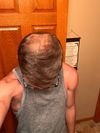
Minoxidil topical 5%+ Finasteride 1mg daily+ derma roller + Biotin daily 3 months result 8/10/2024
User reports significant hair growth after 3 months using topical minoxidil 5%, oral finasteride 1mg, a derma roller, and biotin tablets. Other users encourage continuation due to impressive results.
View this post in the Community →
Similar Community Posts Join
5 / 5 resultscommunity Help? Using Finasteride 1mg and Biotin 10,000 mcg just started Nizoral shampoo will it be enough?
The conversation is about using finasteride, biotin, and Nizoral shampoo for hair regrowth, with recommendations to add minoxidil for better results. Users suggest that minoxidil is synergistic with finasteride and may enhance hair regrowth, while some also mention microneedling as a beneficial addition.
community Male 17 - Thinning hair and crown
A 17-year-old male is experiencing hair thinning, especially around the crown, and plans to use 5% minoxidil, a dermaroller or derma pen, Nizoral shampoo, and biotin shampoo. He is advised to consider finasteride in the future and is seeking affordable hair loss solutions.
community 5 months on topical min + dermarolling 40m
A 40-year-old male experienced significant hair regrowth and no hair fall after 5 months using topical minoxidil, dermarolling with a 1.0mm roller, Nizoral shampoo, and biotin gummies. He previously stopped oral finasteride due to daily pill concerns but now uses topical treatments without noticeable side effects.
community Advice Needed: Considering Switch from Topical to Oral Finasteride After 2 Years (July 2023)
The user is considering switching from topical to oral finasteride due to lack of progress with their current hair loss treatment, which includes topical fin/min, microneedling, Nizoral shampoo, oral minoxidil, biotin, collagen, tretinoin, and hair masks. A suggestion was made to try oral finasteride for potentially better results and to monitor progress over 6-12 months.
community Anything Else?
The conversation is about a user seeking advice on hair loss treatments, using minoxidil, Propecia, biotin, clobetasol, castor oil, and a derma roller. Suggestions include cold showers, a healthy diet, exercise, and sleep.
Related Research
6 / 6 resultsresearch Experimental and early investigational drugs for androgenetic alopecia
This review discusses current and emerging therapeutic strategies for androgenetic alopecia, noting limited evidence but suggesting areas such as prostaglandin analogs, PRP, and progenitor cell therapies as promising future directions.
research Hair Restoration in Androgenetic Alopecia: Looking Beyond Minoxidil, Finasteride and Hair Transplantation
This review discusses the emerging pathophysiological factors and potential new therapies for androgenetic alopecia beyond traditional treatments, but reports no new results.
research Common Causes of Hair Loss and Their Treatment Options
This paper reviews the effectiveness and side effects of various treatments for androgenetic alopecia, telogen effluvium, and alopecia areata, emphasizing the importance of discussing each option's costs, benefits, and risks with patients.
research The rise of transcutaneous drug delivery for the management of alopecia: a review of existing literature and an eye towards the future
This study reviewed eight studies investigating transcutaneous drug delivery via fractional laser and microneedling for alopecia treatment, with six studies showing improved hair regrowth over topical therapy alone, suggesting its potential as a promising treatment strategy, although further research is needed to refine treatment parameters.
research Hair Loss in Men and Women
The document concludes that ongoing medical therapy is crucial for preventing hair loss, and surgical options can restore hair, with future treatments for hair loss being promising.
research A decade of progress in androgenetic alopecia management: Emerging therapies and multimodal strategies
This review reports that the treatment of androgenetic alopecia is shifting from single therapies to personalized, multimodal approaches incorporating both traditional and emerging pharmacologics, regenerative strategies, nutraceuticals, cosmeceuticals, and device-based interventions, with combination regimens showing improved outcomes.