Korean minoxidil is superior to what we can get in the EU 9/2/2026
Korean minoxidil is preferred over Foligain due to its non-greasy, fast-drying formula that lacks propylene glycol, making it more pleasant to use. The user has been using minoxidil for over two years and finasteride for about ten months, but it's unclear how much the Korean minoxidil has contributed to their results.
View this post in the Community →
Similar Community Posts Join
5 / 5 resultscommunity This Cheapie Amazon Minoxidil Has Worked Wonders For Me
A user switched from Kirkland minoxidil to a cheaper Amazon brand called Adellina, which includes Biotin, Ginseng extract, and Collagen, and saw significant hair growth within a week. They also transitioned from oral to topical finasteride after achieving their hair growth goals.
community 1.5 years of 0.5mg finasteride daily.
The user has been taking 0.5mg finasteride daily for 1.5 years, which has helped maintain and regrow some hair without side effects. They chose this dosage to reduce the risk of side effects and have not added minoxidil due to family heart issues and having a cat.
community Hair regrowth attempt. Age 33 after 10 years bald.
A 33-year-old attempted hair regrowth after 10 years of baldness using topical finasteride, minoxidil, micro-needling, a laser cap, and later oral dutasteride. They noticed some regrowth, especially vellus hairs, and are considering a hair transplant or other treatments despite side effects.
community Results from 272 diode Red Light Therapy hat exclusively.
A user reported noticeable hair regrowth using a 272 diode red light therapy hat over 11 months without Minoxidil or Finasteride. Opinions vary on its effectiveness compared to traditional treatments, with some suggesting combining therapies for better results.
community "DHT Itch" and onset Seborrheic Dermatitis
The post and conversation discuss the link between DHT (a hormone), scalp itchiness, and hair loss. Some users share their experiences and treatments, including the use of fluconazole, corticosteroids, and ketoconazole shampoo, with one user suspecting minoxidil as a potential cause of their symptoms.
Related Research
6 / 6 results
research Efficacy, Tolerability, and Superiority of Propylene Glycol-Free, North American Witch-Hazel (Hamamelis virginiana)-Based Solution of 5% Minoxidil Sulfate for the Treatment of Female Androgenetic Alopecia
In this study, 70% of female androgenetic alopecia patients who did not respond to standard minoxidil experienced clinical improvement after switching to a propylene glycol-free, witch hazel-based 5% minoxidil sulfate solution, with the treatment also being well-tolerated.
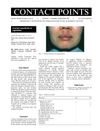
research Positive lymphocyte transformation test in a patient with allergic contact dermatitis of the scalp after short-term use of topical minoxidil solution
This case report describes a patient with an allergic sensitization to minoxidil, indicating that such patients should pursue alternative therapies to treat androgenetic alopecia.
research Development of minoxidil-loaded double emulsion PLGA nanoparticles for the treatment of hair loss
This study observed that minoxidil-loaded nanoparticles significantly enhanced skin penetration and hair regrowth in mice within three weeks, without ethanol and propylene glycol, suggesting they are a promising delivery method for treating hair loss.
research A randomized, double-blind controlled study of the efficacy and safety of topical solution of 0.25% finasteride admixed with 3% minoxidil vs. 3% minoxidil solution in the treatment of male androgenetic alopecia
This study found that a topical solution combining 0.25% finasteride with 3% minoxidil significantly improved hair growth, as measured by hair density, diameter, and global assessment, in men with androgenetic alopecia, compared to 3% minoxidil alone, over 24 weeks without systemic adverse effects reported.

research Updates in Treatment for Androgenetic Alopecia
This review discusses current and emerging treatments for androgenetic alopecia, covering mechanisms, efficacy, and safety of both androgen-targeted and non-androgen-targeted approaches, but reports no new clinical results.

research Nanotechnology advances for hair loss
In this study, researchers reviewed recent advances in using nanoencapsulation technology to improve the pharmacological treatment of alopecia, suggesting its potential to enhance drug delivery and reduce adverse effects compared to conventional methods.