 14 citations
,
January 2014 in “International Journal of Dermatology”
14 citations
,
January 2014 in “International Journal of Dermatology” Minoxidil with Korean red ginseng improves hair density and thickness more than minoxidil alone.
 September 2015 in “Korean Journal of Clinical Pharmacy”
 In this study, topical minoxidil 7% with dutasteride 0.5 mg showed higher efficacy but more adverse effects compared to minoxidil 7% with finasteride 1 mg for treating androgenetic alopecia.
 April 2010 in “The FASEB Journal”
 This study found that topical application of Korean ginseng berry promoted hair follicle development in mice, with a lower dose proving more effective than a higher dose.
 8 citations
,
May 2017 in “Singapore Medical Journal”
8 citations
,
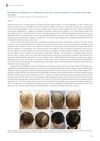
May 2017 in “Singapore Medical Journal” A Korean woman with complete hair loss regrew her hair after taking tofacitinib, with no side effects.
 8 citations
,
January 2013 in “Journal of The Korean Medical Association”
8 citations
,
January 2013 in “Journal of The Korean Medical Association” This article reviews factors influencing hair growth and treatment options for androgenetic alopecia, but it reports no new clinical results on their effectiveness.