Intense hairfall, please help 8/20/2014
A 22-year-old experiencing intense hair loss across the scalp seeks advice, considering factors like nutrition and genetics. Suggestions include checking vitamin, mineral, and thyroid levels.
View this post in the Community →
Similar Community Posts Join
5 / 5 resultscommunity Sugar and Hair loss connections
High sugar diets may worsen hair loss by increasing 5α-reductase activity and androgen levels, especially in women with PCOS. A low sugar diet might reduce scalp DHT levels, similar to finasteride, but genetics also significantly influence hair loss.
community My Experience and a Discourse on "DUPA"
The user discusses their hair loss experience, exploring various hypotheses including thyroid levels, vitamin D, DHEA, nutritional deficiency, diabetes, seborrheic dermatitis, lack of nutrition to hair follicles, chronic inflammation, female pattern hair loss causes, cortisol, and prolactin levels. They are currently using finasteride, beta-sitosterol, and have tried topical dutasteride and microneedling therapy.
community Calling out *diffuse thinners* here -- Have you ruled out other factors?
Diffuse hair loss is often linked to genetics but can also be due to health issues like thyroid problems and low vitamin or iron levels. Treatments include finasteride, minoxidil, and dutasteride, with some seeing improvements after addressing health issues.
community B12 deficiency hairloss (hair thinning)
Hair loss due to vitamin B12 deficiency is discussed, with some users suggesting supplements and dietary changes, while others recommend medications like finasteride or dutasteride. The conversation highlights differing opinions on the cause of hair loss, with some attributing it to genetics or male pattern baldness.
community My estrogen levels are obscene
A 30-year-old male using finasteride for hair loss has high testosterone and estrogen levels but no side effects. He is advised to monitor hormone levels, consider dietary changes, and use additional treatments like vitamin D3, minoxidil, and dutasteride for hair growth.
Related Research
6 / 6 results
research Female Pattern Hair Loss and Androgen Excess: A Report From the Multidisciplinary Androgen Excess and PCOS Committee
This review offers evidence-based recommendations for diagnosing and treating female pattern hair loss, emphasizing clinical assessment and starting treatment with minoxidil, while noting that measurement of certain hormones and vitamins is optional.

research Effect of Ultraviolet Radiation, Smoking and Nutrition on Hair
This review discusses environmental factors like UV radiation and smoking that affect hair health and highlights the potential role of nutrition, but it reports no new results.

research Hair Thickness Growth Effect of Adenosine Complex in Male-/Female-Patterned Hair Loss via Inhibition of Androgen Receptor Signaling
In this study, researchers found that topical treatment with adenosine improved hair growth and thickness by significantly increasing hair density and thickness after four months in vivo, with results comparable to minoxidil, potentially due to adenosine's anti-androgenic effects.
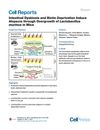
research Intestinal Dysbiosis and Biotin Deprivation Induce Alopecia through Overgrowth of Lactobacillus murinus in Mice
This study found that antibiotic-induced gut dysbiosis, particularly overgrowth of Lactobacillus murinus, can lead to hair loss in mice by depleting biotin.

research Retinoids Putting the “A” in Alopecia
This study suggests that dietary vitamin A may influence alopecia development and progression, but the mechanisms remain unclear, highlighting the interplay between genetics and nutrition in these hair loss conditions.
research Female pattern hair loss: Clinico-laboratory findings and trichoscopy depending on disease severity
This study observed that specific trichoscopic features like white peripilar signs, scalp pigmentation, and focal atrichia are associated with advanced female pattern hair loss in Fitzpatrick skin type III patients.