Sugar and Hair loss connections Research/Science 5/20/2025
High sugar diets may worsen hair loss by increasing 5α-reductase activity and androgen levels, especially in women with PCOS. A low sugar diet might reduce scalp DHT levels, similar to finasteride, but genetics also significantly influence hair loss.
View this post in the Community →
Similar Community Posts Join
5 / 5 resultscommunity One year anti androgen update CROWN
User used Finasteride, Dutasteride, and Minoxidil for one year to treat hair loss. They discussed possibly trying RU58841 or pyrilutamide in the future.
community Hair loss research is a money grab
Hair loss is linked to DHT, with treatments like finasteride and minoxidil being common but not definitive. Economic interests influence research, and there is potential for new treatments like PP405 and RU58841.
community 57% increased chance of pattern hair loss independently associated with the consumption of sugary beverages in men (p<0.001).
Sugary beverages increase the risk of pattern hair loss in men by 57%, and type 2 diabetes is linked to female pattern hair loss. Reducing sugar intake and using treatments like finasteride and minoxidil may help manage hair loss.
community This guy is 113 and has more hair than most people on here.
A 113 year old man who has more hair than most people, and the conversation is discussing potential genetic factors that may be responsible for this. Possible treatments such as dermarolling and minoxidil, finasteride, and RU58841 are mentioned.
community How I recovered from 4+ years of severe balding ages 20-24 by dieting, lifestyle changes and ONLY using topical minoxidil
A user reversed severe hair loss with dieting, lifestyle changes, and topical minoxidil, highlighting reduced inflammation and body fat. The conversation debates finasteride's effectiveness and the impact of diet and lifestyle on hair health.
Related Research
6 / 6 results
research Clinical biochemistry of dihydrotestosterone
This review discusses the production, role, and measurement of dihydrotestosterone (DHT) in various disorders of sexual development but does not report new clinical results.
research American Association of Clinical Endocrinologists, American College of Endocrinology, and Androgen Excess and PCOS Society Disease State Clinical Review: Guide to the Best Practices in the Evaluation and Treatment of Polycystic Ovary Syndrome - Part 1
This review discusses the diagnostic criteria and management strategies for Polycystic Ovary Syndrome (PCOS) and highlights the need for comprehensive clinical assessment, but does not report new clinical findings.

research Finasteride versus cyproterone acetate-estrogen regimens in the treatment of hirsutism
This study found that both finasteride and a regimen of cyproterone acetate plus ethinyl estradiol effectively reduced hirsutism in women, with similar results despite differing hormonal effects.

research The potential of androgenic alopecia management from plant derivatives
This review discusses management strategies for androgenic alopecia using plant derivatives and highlights the need for prolonged efficacy but reports no new clinical findings.
research Pharmacological Approaches to Controlling Cardiometabolic Risk in Women with PCOS
This review explores current and emerging treatments for polycystic ovary syndrome, focusing on managing hyperandrogenism and cardiometabolic risk, but reports no new clinical results.
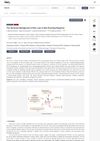
research The Hormonal Background of Hair Loss in Non-Scarring Alopecias
This review examines the hormonal causes of hair loss, noting how androgen excess can lead to follicle miniaturization and linking estrogen deficiency and thyroid dysfunction to common alopecia types. It further discusses hormonal treatments such as finasteride, dutasteride, and spironolactone.