I talked to this infamous dermatologist who told me something weird Finasteride/Dutasteride 4/26/2024
A user on finasteride added dutasteride due to severe shedding and scalp issues, but didn't see reduced shedding. A dermatologist said finasteride doesn't reduce shedding but thickens hair, and another person confirmed shedding can continue but hair should improve over time.
View this post in the Community →
Similar Community Posts Join
6 / 6 resultscommunity My understanding of how androgenetic alopecia works (plus FIN and DUT)
Androgenetic alopecia is affected by scalp DHT levels, not sensitivity, with treatments like finasteride and dutasteride aiming to optimize these levels. Personalized DHT management is crucial for effective hair growth.
community SCUBE3 and GT20029 could be the closet thing to a cure: Hair Follicle Regeneration and Protection Against DHT
SCUBE3 and GT20029 are potential treatments for hair loss, with SCUBE3 stimulating hair growth and GT20029 protecting against DHT. A combined approach using SCUBE3, finasteride or dutasteride, and later GT20029 could provide a comprehensive treatment for androgenetic alopecia.
community The Real Cause Of Androgenetic Alopecia
Androgenetic alopecia is caused by DHT affecting hair growth. Finasteride and minoxidil are used to manage hair loss by blocking DHT and promoting hair growth.
community Finasteride success for androgenic alopecia by a 27M physician (NO PICTURES)
A 27-year-old male physician improved hair density using minoxidil 5% foam and finasteride 1mg every other day, with initial sexual side effects that subsided. He recommends trying finasteride for a year but warns against dutasteride due to potential liver effects.
community DHT/Testosterone levels in scalp Fin VS Dut.
Dutasteride raises scalp testosterone by 99%, which may not be ideal for those sensitive to all androgens. Some argue finasteride's balancing act might be better, while others believe dutasteride is superior for hair regrowth.
community Why Fin/Dut is always recommended. The top 10 reasons for hairloss in men.
Hair loss in men is primarily caused by androgenetic alopecia, with treatments like finasteride and dutasteride often recommended. Other causes include stress, nutritional deficiencies, medications, and scalp infections.
Related Research
6 / 6 resultsresearch The role of mutations on gene AR, in androgenetic alopecia syndrome
This article reviews the pattern and progression of androgenic alopecia in men and women, but it does not present new clinical findings.
research Astragalus membranaceus and Cinnamomum cassia Stimulate the Hair Follicle Differentiation-Related Growth Factor by the Wnt/β-Catenin Signaling Pathway
In this study, researchers observed that the YH complex, made from Astragalus membranaceus and Cinnamomum cassia, promoted hair regrowth and increased hair shaft thickness in mice, potentially through increased growth factors and Wnt/β-catenin signaling, suggesting its use for treating various forms of hair loss.
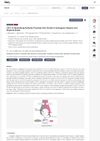
research CXCL12 Neutralizing Antibody Promotes Hair Growth in Androgenic Alopecia and Alopecia Areata
This study found that subcutaneous injection of a CXCL12 neutralizing antibody significantly promoted hair growth in androgenic alopecia and inhibited hair loss in alopecia areata in mouse models, suggesting its potential as a promising treatment for hair loss.
research Investigating the Safety and Efficacy of Platelet-Rich Plasma (PRP) Treatment for Female Androgenetic Alopecia: Review of the Literature
This review discusses the use of platelet-rich plasma for treating female androgenetic alopecia, reporting that it shows high patient satisfaction and improved quality of life in affected women.
research Minoxidil: a comprehensive review
This study reported that while topical minoxidil exhibits hair regrowth in androgenetic alopecia, oral minoxidil 5 mg/day was more effective than topical forms after six months, with low doses also potentially effective for women and other hair loss types.

research Guava (Psidium guajava L.) Leaf Extract as Bioactive Substances for Anti-Androgen and Antioxidant Activities
This study suggests that guava leaf extract may inhibit hair loss by downregulating genes involved in androgen synthesis, potentially offering a natural alternative for treating androgenetic alopecia.