Dutasteride + oral min progress 12/10/2024
A 20-year-old used finasteride for 5 months, then switched to dutasteride for 7 months, and added oral minoxidil for 2.5 months, finding the combination of dutasteride and oral minoxidil most effective. The user experienced significant hair improvement and confidence boost, with no blood tests but an ECG to monitor heart health.
View this post in the Community →
Similar Community Posts Join
5 / 5 results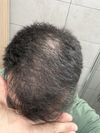
community What should I start with? Advices are welcomed
A 35-year-old is seeking advice on hair loss treatments, considering minoxidil, finasteride, and possibly a hair transplant in Turkey. They have previously tried microneedling for a year.
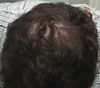
community Thinning in Hairline and Vertex - What do I do?
A 25-year-old male is experiencing hair thinning at the hairline and vertex, considering using a dermapen or dermastamp, and seeking advice on whether to continue with natural remedies like onion juice and rosemary oil or start using minoxidil or finasteride. He is also looking for recommendations on microneedling devices.
community 32M: Oral Fin/Minox for 6 Months - Seeking Advice on Continued Thinning
A 32-year-old male experienced short-term hair regrowth with topical minoxidil, but thinning resumed. He switched to oral finasteride and minoxidil, saw initial improvement, but now faces aggressive thinning again and is considering other treatments like dutasteride, derma rollers, or red light caps.
community Dutasteride only might be the best ROI
Switching from finasteride to dutasteride can improve hair regrowth with fewer side effects for some users. Concerns about shedding, lack of improvement, and the long-term safety of oral minoxidil remain.
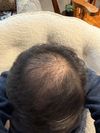
community Considering Switch to Oral Finasteride 1mg & Minoxidil 3mg/Day: Seeking Advice on Efficacy and Side Effects
The user plans to switch from topical to oral finasteride (1mg/day) and minoxidil (3mg/day) due to unsatisfactory results with topical treatments. They seek advice on the effectiveness, potential side effects, and the timing for considering a hair transplant, with recommendations to monitor health metrics like blood pressure and conduct thorough bloodwork before starting.
Related Research
6 / 6 resultsresearch Combination therapy with oral minoxidil and dutasteride in the treatment of male patterned baldness: A case report
This study found that combining oral minoxidil with dutasteride increased hair thickness, density, and new growth in male pattern baldness patients with minimal side effects.
research Drug interactions between common dermatological medications and the oral anti-COVID-19 agents nirmatrelvir-ritonavir and molnupiravir
This review reports that nirmatrelvir-ritonavir has significant drug-drug interactions with many common dermatological medications, whereas molnupiravir may be an alternative therapy due to the absence of such interactions observed so far.
research Sulfotransferase SULT1A1 activity in hair follicle, a prognostic marker of response to the minoxidil treatment in patients with androgenetic alopecia: a review
This review discusses the potential of using SULT1A1 expression in the scalp as a biomarker to predict response to minoxidil treatment for androgenetic alopecia, but reports no new clinical results.
research Androgenetic Alopecia: Therapy Update
This comprehensive review analyzes androgenetic alopecia treatments, discussing the mechanisms, costs, efficacy, and safety of FDA-approved drugs like minoxidil and finasteride, as well as newer non-FDA-approved options that have shown effectiveness across various studies.
research Evidence-based (S3) guideline for the treatment of androgenetic alopecia in women and in men – short version
This guideline review by the European Dermatology Forum evaluates current treatments for androgenetic alopecia but reports no new research findings, aiming to assist dermatologists in selecting safe and effective therapies.
research A review of the treatment of male pattern hair loss
This review discusses pharmacologic and non-pharmacologic treatments for androgenetic alopecia, noting that current medications like finasteride and minoxidil can slow hair loss but only partially restore hair growth, with early treatment offering better outcomes.