Do you think clascoterone is going to be cheaper soon? 5/2/2026
Clascoterone is currently expensive and not yet available for hair loss treatment. The conversation discusses its potential future affordability.
View this post in the Community →
Similar Community Posts Join
6 / 6 resultscommunity Anybody heard about clascoterone against hair loss?
Clascoterone, an acne treatment that blocks DHT, is being developed for scalp use against hair loss. The conversation also mentions Minoxidil, finasteride, and RU58841 as treatments.
community Winlevi (clascoterone) for hairloss?
Winlevi (clascoterone), a DHT blocker, is being considered for hair loss treatment, though it's primarily an acne medication. Users discuss its potential effectiveness and note it may only work for a short time.
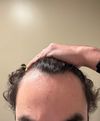
community M20 with Hair Loss - Clascoterone an Option?
A 20-year-old is experiencing hair thinning and is considering Clascoterone and Minoxidil as treatments, avoiding finasteride due to concerns about fertility and hormones. A suggestion was made to use Clascoterone for local DHT targeting and combine it with Minoxidil for maintenance and regrowth while avoiding systemic side effects.
community Are these new hair loss treatments ever gonna release?
Hair loss treatments like Breezula and PP405 are delayed, with approvals taking years, while existing treatments like minoxidil and finasteride remain popular. New treatments like Clascoterone and Veradermics are in trials, but high costs and lengthy approval processes slow their release.
community OND-1 "Cyclosporine A” New hair loss treatment
Orient Bio is developing a PLGA formulated version of Cyclosporine A to stimulate hair growth without its immunosuppressant effects. Users discuss various treatments like Clascoterone, PP405, minoxidil, and tacrolimus, expressing hope for new developments and sharing personal experiences with these treatments.
community The future of hair loss drugs.
Clascoterone 5% and PP405 are being discussed as potential future treatments for hair loss, with clascoterone nearing phase three completion and PP405 possibly taking a cosmetic route to market. Current treatments like minoxidil, finasteride, and RU58841 are mentioned as effective in slowing hair loss, but a complete cure remains elusive.
Related Research
6 / 6 results
research Cortexolone 17a-propionate: A new antiandrogen acting on hair dermal papilla cells for the treatment of androgenic alopecia
Cortexolone 17a-propionate may be an effective new treatment for hair loss.
research Living Probiotic Microneedles Coordinate Antiandrogen and Nitric Oxide Therapy for Androgenetic Alopecia
In this study, researchers developed a probiotic-based microneedle system combining Weissella cibaria and clascoterone to target androgenetic alopecia, which in a mouse model improved hair density, vascular regeneration, and reduced inflammation, suggesting a promising treatment approach.

research Androgenetic alopecia: An update
This study describes androgenetic alopecia as a common non-scarring hair loss condition primarily influenced by genetic factors and androgen sensitivity, notably impacting psychosocial well-being, especially in females and younger males seeking treatment.
research 0951 Breezula, a clinical stage topical anti-androgen, promotes dermal papilla inductivity and reduces IL-6 secretion in balding skin samples ex vivo
This study suggests that Breezula® and Minoxidil both enhance hair growth in male pattern hair loss by promoting keratinocyte proliferation, with Breezula® potentially more potent in reducing the hair growth inhibitor IL-6.

research Androgenetic Alopecia in Women: A Narrative Review of Pathophysiology, Clinical Evaluation, and Treatments
Spironolactone is effective for treating female hair loss, with new treatments like clascoterone showing promise.

research ADVANCEMENTS IN TREATMENT STRATEGIES FOR ANDROGENETIC ALOPECIA: NOVEL THERAPIES AND FUTURE PERSPECTIVES
This review identified emerging therapies for androgenetic alopecia, such as low-dose oral minoxidil and stem cell-based treatments, which show promise for improved hair loss management but require standardized protocols and large-scale trials for further validation.