Do growth serums actually work or just stop further loss? Chat 12/24/2025
Hair growth serums, specifically those with minoxidil and finasteride, are discussed as potential treatments for hair loss. The effectiveness of these serums is questioned, with a focus on whether they promote regrowth or merely prevent further loss.
View this post in the Community →
Similar Community Posts Join
5 / 5 resultscommunity 3-4 Month Re growth (Updating in 3 months)
The post discusses a hair loss treatment regimen including oral finasteride, topical minoxidil, a rejuvenating scalp serum with caffeine, rosemary, and ginger, topical ketoconazole, saw palmetto, and derma rolling. The user seeks advice for scalp pimples and irritation.
community Has anyone tried Haircross Hair Growth Serum with Redensyl, Capixyl, and Procapil? Results and experiences?
The conversation discusses experiences with Haircross Hair Growth Serum, which contains Redensyl, Capixyl, Procapil, Anagain, and Baicapil, as an alternative to Minoxidil and Finasteride. Users report mixed results, with some experiencing no regrowth and others noting slight thickening, but concerns about side effects and effectiveness compared to standard treatments remain.
community Is there a reason why hair serums (The Ordinary, Vichy, etc.) are never part of a serious hair loss stack?
Hair serums like The Ordinary and Vichy are seen as minor additions to hair loss treatments but are not considered effective on their own compared to well-studied options like Minoxidil and Finasteride. They may improve scalp health or hair strand quality but are not reliable for significant hair regrowth or combating male pattern baldness.
community Serum based on plant extracts boosts hair growth in weeks.
A serum containing Centella asiatica extracellular vesicles, IGF-1, FGF-7, and caffeine significantly improved hair thickness, density, length, and reduced hair loss after 56 days. The conversation also discusses how treatments like finasteride, minoxidil, and ketoconazole address different aspects of hair loss by reducing DHT, improving blood flow, and lowering inflammation.
community Bryan Johnson's email regarding hair loss and his protocol (including why he doesn't take Fin or Dut).
Hair loss treatments include topical and oral minoxidil, low-level laser light therapy, and peptide serums. Bryan Johnson avoids finasteride and dutasteride due to potential side effects, focusing instead on his own protocol with these treatments.
Related Research
6 / 6 results
research Effects of oxytocin on the hair growth ability of dermal papilla cells
This study explored the effects of oxytocin on hair growth and found that it upregulated growth-promoting factors in dermal papilla cells and hair follicle organoids, suggesting potential for developing new alopecia treatments.
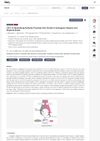
research CXCL12 Neutralizing Antibody Promotes Hair Growth in Androgenic Alopecia and Alopecia Areata
This study found that subcutaneous injection of a CXCL12 neutralizing antibody significantly promoted hair growth in androgenic alopecia and inhibited hair loss in alopecia areata in mouse models, suggesting its potential as a promising treatment for hair loss.
research The medicinal activity of lyophilized aqueous seed extract of Lepidium sativum L. in an androgenic alopecia model
This study found that Lepidium sativum seed extract showed potential in treating alopecia in rats by reducing 5(alpha)-dihydrotestosterone levels and improving hair length compared to minoxidil.

research HAIR LOSS AND REGENERATION PERFORMED ON ANIMAL MODELS
This article reviews current research on animal models for hair regrowth treatments and reports no new findings; it highlights the need for studies comparing therapy efficiency and long-term safety.

research Platelet‐rich plasma for androgenetic alopecia: Efficacy differences between men and women
This study found that platelet-rich plasma significantly increased hair diameter in both men and women with androgenetic alopecia but improved hair density only in men.
research Minoxidil: a comprehensive review
This study reported that while topical minoxidil exhibits hair regrowth in androgenetic alopecia, oral minoxidil 5 mg/day was more effective than topical forms after six months, with low doses also potentially effective for women and other hair loss types.