DHT Oily Scalp Dangers: Theory of an Oily Scalp and PPAR-GAMMA Dysregulation Research/Science 3/3/2025
Excessive scalp sebum, worsened by DHT, can lead to inflammation and hair loss, with clascoterone mentioned as a treatment. Diet changes seem ineffective for scalp sebum, and treatments like minoxidil and finasteride are suggested.
View this post in the Community →
Similar Community Posts Join
5 / 5 results
community If You Have DUPA, PLEASE READ THIS: Everyone Should Be Scalp Biopsied
Scalp biopsies are crucial for diagnosing hair loss conditions like Diffuse Unpatterned Alopecia (DUPA) and retrograde hair loss, as treatments like finasteride and dutasteride may not be effective if other conditions are present. Combining PPAR-GAMMA agonists with retinoids could improve treatments for conditions like Lichen Planopilaris.
community DHT Harms Scalp Microbiome: DHT Itch is REAL
Increased Malassezia and Cutibacterium in the scalp microbiome are linked to higher sebum production and inflammation in androgenetic alopecia (AGA). Treatments include ciclopirox shampoo, benzoyl peroxide shampoo, clobetasol propionate, calcipotriol, minoxidil, finasteride, and dutasteride.
community Hair Loss & Lipids: Why you have sebderm, folliculitis, LPP, inflammation, etc...
Excess sebum rich in cholesterol and triglycerides can lead to hair loss through inflammation, with treatments like Ciclopirox shampoo, Benzoyl Peroxide shampoo, and Clindamycin gel recommended for managing conditions like seborrheic dermatitis and folliculitis. Pioglitazone is suggested for Lichen Planopilaris, while Omega-3s and reducing processed foods may improve sebum quality, though genetic factors play a significant role.
community The Worst Hair Loss Condition You (MAY) have: LPP
Lichen Planopilaris (LPP) is an autoimmune condition causing permanent hair loss and fibrosis, often misdiagnosed. Treatments include pioglitazone, topical corticosteroids, anti-inflammatory medication, and Jak inhibitors.
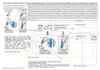
community Compressed part of research of theory of androgenic/anabolitic balance. AGA h-responders analytic. Theory of physio-metabolitic method of anti AGA treatment
The treatment for androgenetic alopecia involves using finasteride and minoxidil with intense exercise and cold exposure to boost metabolism and reduce androgenic effects, potentially leading to hair regrowth. This approach may activate biological pathways for improved hair and overall health.
Related Research
6 / 6 resultsresearch Exploring Acne Treatments: From Pathophysiological Mechanisms to Emerging Therapies
This review of acne management strategies highlights current treatments, such as topical and systemic therapies, procedural methods, and dietary changes, while also discussing emerging options like biologics and probiotics as potential future treatments, emphasizing personalized care due to acne's complex nature.
research An Updated Etiology of Hair Loss and the New Cosmeceutical Paradigm in Therapy: Clearing ‘the Big Eight Strikes’
This review concluded that the efficacy of cosmeceutical hair serums for addressing hair loss lies in their use of bioactive peptides and plant compounds, like flavonoids and sterols, that target eight key contributing factors identified in hair loss conditions.
research Mechanisms of Puerariae Lobatae Radix in regulating sebaceous gland secretion: insights from network pharmacology and experimental validation
This study demonstrates that Puerariae Lobatae Radix may regulate skin lipid metabolism by inhibiting sebaceous gland growth and reducing triglyceride secretion, highlighting its therapeutic potential for sebaceous gland-related conditions.
research Novel cosmeceuticals from plants—An industry guided review
This review examines around 68 plant sources from six major plant families, assessing their scientific rationale and use by the cosmeceutical industry for applications like anti-ageing and sun protection.
research Development and homeostasis of the sebaceous gland
This review discusses the role of signaling networks in sebaceous gland development and disorders, highlighting recent insights from mouse models and cell line studies, but reports no new experimental results.
research Scalp Sebaceous Physiology
The document concludes that scalp health is influenced by complex factors affecting sebaceous glands, including hormones, aging, and various substances.