 176 citations
,
August 2015 in “The journal of allergy and clinical immunology/Journal of allergy and clinical immunology/The journal of allergy and clinical immunology”
176 citations
,
August 2015 in “The journal of allergy and clinical immunology/Journal of allergy and clinical immunology/The journal of allergy and clinical immunology” This study identified a distinct cytokine activation signature in alopecia areata, involving TH2, TH1, IL-23, and IL-9/TH9 pathways, suggesting potential targeting strategies similar to those in psoriasis and atopic dermatitis.
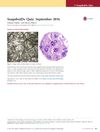 August 2016 in “Journal of Investigative Dermatology”
 This quiz based on a Journal of Investigative Dermatology article reports no new clinical results but serves as an educational tool for diagnosing scalp conditions, including scalp psoriasis and psoriatic alopecia.
 1 citations
,
January 2025 in “Frontiers in Immunology”
1 citations
,
January 2025 in “Frontiers in Immunology” In this study, researchers found that cytokine dysregulation linked to genetic background is present in both patients and healthy but genetically related individuals in two autoimmune skin diseases, Pemphigus vulgaris and Alopecia areata, suggesting that protective immune mechanisms may prevent disease manifestation in predisposed individuals.
 60 citations
,
September 2015 in “Expert Review of Clinical Immunology”
60 citations
,
September 2015 in “Expert Review of Clinical Immunology” This study suggests that CD8+ cytotoxic T lymphocytes play a crucial role in the development of alopecia areata, based on observations in rodent models that mimic human autoimmune disease.
This study found that administering gingerol improved survival and reduced organ damage in mouse models of chronic graft-versus-host disease by modulating T cell differentiation and inflammatory cytokines, suggesting a novel therapeutic approach for steroid-refractory cases.