17 citations
,
January 2013 in “Indian Journal of Pharmacology”
This case report highlights an interest in exploring the relationship between serumlevels of sodium valproate and hair loss, though no case reports currently establish this link.
121 citations
,
January 1991 in “Acta dermato-venereologica”
In this study, terbinafine reached high concentrations in stratum corneum and sebum after oral administration, with druglevels remaining above fungicidal concentrations for over three weeks.
January 2026 in “International Journal of Endocrinology”
This study found that using renin-angiotensin system-targeting antihypertensive agents or statins is associated with reduced serum HER2 levels, which may influence the risk of metabolic syndrome in women.
34 citations
,
December 1991 in “Annals of the New York Academy of Sciences”
The conclusion is that small hair follicles cause baldness in macaques, and treatments like antiandrogens and minoxidil can prevent hair loss and promote regrowth.
4 citations
,
January 2018 in “JBRA assisted reproduction”
This study found that orlistat significantly reduced weight and total testosterone levels in Iranian women with polycystic ovary syndrome after 12 weeks of treatment.
Switching from finasteride to a generic dutasteride led to unexpectedly high DHT levels, prompting a switch to a reputed brand and consideration of softgel capsules for better absorption. The user plans to retest DHT levels and may return to finasteride if issues persist.
The user had high DHT levels after 8 months on dutasteride, questioning the drug's authenticity. They got dutasteride from a legitimate source and will update on progress.
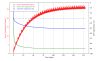
A Dutasteride Simulator predicts serum dutasteride, serum DHT, and scalp DHT levels using models from research papers. It simulates various dosing schedules to determine steady-state effects and visualizes outcomes, including hair growth-related scalp DHT suppression.
The conversation discusses finding a finasteride dosage that reduces DHT by about 25% to minimize side effects, with considerations for topical versus oral formulations. Alternatives like dutasteride mesotherapy and topical treatments are explored, with concerns about systemic absorption and potential impacts on athletic performance and hormone levels.
Dutasteride is often taken daily despite its long half-life because consistent dosing maintains optimal serumlevels for effective DHT suppression. Some users report success with less frequent dosing, such as three times a week, but effectiveness can vary based on individual response and professional advice.