 October 2024 in “International Journal of Research in Orthopaedics”
 This study found that adolescents carrying the HLA-B27 antigen who engaged in intense physical activity were more likely to develop ankylosing spondylitis, although not all predisposed individuals were affected, indicating other genetic and environmental factors might also play a role.
 16 citations
,
January 2010 in “American Journal of Neuroradiology”
16 citations
,
January 2010 in “American Journal of Neuroradiology” This case report describes a 3-year-old boy with trichothiodystrophy, highlighting specific MRI findings of diffuse dysmyelination and osteosclerosis that may be unique to the disorder.
 11 citations
,
January 1993 in “Dermatology”
11 citations
,
January 1993 in “Dermatology” In this study, researchers found histopathological similarities between L-tryptophan eosinophilic myalgia syndrome and idiopathic eosinophilic fasciitis, with certain unique inflammatory features present in the former.
 June 2017 in “Çocuk Enfeksiyon Dergisi/Journal of Pediatric Infection”
 This report describes two cases of urticarial id reaction linked to tinea capitis profunda, highlighting a potential new etiology for this rare condition.
 29 citations
,
January 2021 in “Translational Psychiatry”
29 citations
,
January 2021 in “Translational Psychiatry” This study found that certain gene sets, including those involved in ligand-gated ion channel signaling and cell adhesion, are associated with Tourette syndrome, suggesting a potential neurobiological basis for the disorder.
61 citations
,
June 2010 in “Journal of the European Academy of Dermatology and Venereology” This study highlights cases of alopecia areata that developed during anti-TNF-α therapy, suggesting a potential link or increased frequency, particularly among individuals with a personal or family history of autoimmune diseases.
December 2000 in “日本組織細胞化学会総会プログラムおよび抄録集” 7 citations
,
March 2004 in “Journal of the American Academy of Dermatology” Tiger tail banding and hair abnormalities are reliable indicators for diagnosing trichothiodystrophy.
 3 citations
,
May 2024 in “Cureus”
3 citations
,
May 2024 in “Cureus” This review revisits hair-thread tourniquet syndrome, highlighting the importance of prompt diagnosis and treatment by removing the constricting hair or similar substance to prevent damage to affected body parts, aiming to raise healthcare professionals' awareness for better prevention and management.
3 citations
,
May 2024 in “Indian Journal of Dermatology” In this case report, researchers identified a potential adverse skin reaction, called SDRIFE or Baboon syndrome, caused by the drug tofacitinib in a 19-year-old woman being treated for alopecia subtotalis, leading the authors to recommend discontinuation of the drug.
 6 citations
,
July 2006 in “International Journal of Dermatology”
6 citations
,
July 2006 in “International Journal of Dermatology” This review discusses various dermatological conditions prevalent among football athletes and suggests that these are exacerbated by the sport's physical demands, environmental conditions, and use of specific equipment.
July 2024 in “Journal of Investigative Dermatology” Mechanical tension worsens keloid scars by activating inflammation and fibrosis pathways.
14 citations
,
January 1995 in “Archives of Physical Medicine and Rehabilitation” This case report describes an individual who developed both localized hypertrichosis and ipsilateral dyshidrotic dermatitis following multiple fractures and cast application, with symptom resolution similar to when these conditions occur independently.
 1 citations
,
July 2022 in “The journal of investigative dermatology/Journal of investigative dermatology”
1 citations
,
July 2022 in “The journal of investigative dermatology/Journal of investigative dermatology” In this open-label trial, Tofacitinib was well tolerated and improved IFN and cytokine scores, as well as overall skin pathology, in individuals with Down syndrome and immune skin conditions.
 August 2026 in “Bone and Joint Research”
 In this study, tibial cortex transverse transport accelerated wound healing in diabetic rats, potentially through enhanced mobilization of non-classical monocytes and increased M2 macrophage polarization.
November 2017 in “Arthritis Care & Research” 6 citations
,
March 2023 in “Materials” In this study, researchers developed an acellular bioscaffold made from ovine tendon collagen with an antibacterial coating for treating skin wounds. They found that genipin crosslinking improves the scaffold's properties, and with plasma polymerisation, it enhances antibacterial activity, potentially benefiting wound healing.
 June 2026 in “Frontiers in Immunology”
 This review discusses the role of epithelial–mesenchymal transition in cutaneous fibrotic disorders and highlights potential molecular targets for therapy, but reports no new clinical results.

This study highlights that traumatic anserine folliculosis is a benign condition often seen in young males, which can be diagnosed without invasive biopsies using clinical examination and dermoscopy.
This review discusses advances in understanding tickling sensations and proposes that knismesis hypersensitivity in autism spectrum disorder may be due to impaired sensory integration.
 35 citations
,
January 1996 in “Dermatologic clinics”
35 citations
,
January 1996 in “Dermatologic clinics” This article reviews tinea capitis as a common infectious scalp condition in children, reporting no new findings.
16 citations
,
June 1992 in “PubMed” In this case report, high-dose intravenous methylprednisone followed by oral prednisolone improved painful muscle cramps in a young man unresponsive to other treatments, suggesting an autoimmune mechanism may be involved.
This study reports isolated clitoral hood hair-thread tourniquet syndrome, highlighting the importance of suspicion in females with prominent clitoral hood and genital pain to facilitate timely intervention and tissue preservation.
 6 citations
,
June 2008 in “Journal of the European Academy of Dermatology and Venereology”
6 citations
,
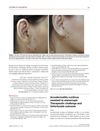
June 2008 in “Journal of the European Academy of Dermatology and Venereology” This paper discusses a case of acrodermatitis continua that was resistant to treatment with etanercept, highlighting the therapeutic challenges faced, but reports no new research results.
6 citations
,
January 2015 in “Il Giornale di Chirurgia” This report describes two cases of hair tourniquet syndrome involving the thumb and toe, which were successfully treated without complications.
15 citations
,
August 2010 in “Annals of saudi medicine/Annals of Saudi medicine” This case report describes a 4-month-old infant with hair tourniquet syndrome affecting her toes, where prompt removal of the constricting hairs led to rapid recovery without tissue damage.
 28 citations
,
January 2012 in “Case Reports in Medicine”
28 citations
,
January 2012 in “Case Reports in Medicine” This article discusses Hair-thread Tourniquet Syndrome in children, emphasizing the need for prompt examination and intervention to prevent severe complications, but reports no new clinical results.
 September 2025 in “The health sciences AUS.”
 This review discusses the efficacy and safety of intralesional triamcinolone acetonide for treating acne keloidalis nuchae, highlighting its significant effectiveness with rare side effects when used properly.
2 citations
,
January 2014 in “Dermatology Online Journal” This article reviews hair-thread tourniquet syndrome, discussing its demographics, causes, and current treatment methods, but presents no new clinical findings.

This case report describes a 14-year-old female with tufted hair folliculitis, where isotretinoin reduced inflammation and exudation but persistent hair tufting remained, highlighting the challenges in treating this rare condition.