 January 2026 in “Journal of Biosciences and Medicines”
 This research highlights the common and varied skin-related symptoms associated with chronic kidney disease, emphasizing that early recognition and multi-pronged management involving nephrology and dermatology can improve patient outcomes.
 December 2025 in “npj Breast Cancer”
 In the phase 3 CAPItello-291 trial, capivasertib combined with fulvestrant significantly increased progression-free survival in patients with advanced breast cancer with specific genetic alterations, but the authors highlight that managing side effects like diarrhea, rash, and hyperglycemia is crucial for optimizing treatment adherence and outcomes.
 November 2025 in “Quality in Sport”
 This study reviews natural hair and scalp care methods, highlighting the importance of plant-derived ingredients and scalp type diagnostics for effective trichological management and optimal hair health.
 September 2025 in “International Journal of Biology Pharmacy and Allied Sciences”
 In this review, the authors examined the bioactive compounds in rosemary, noting its potential anti-inflammatory, antimicrobial, wound-healing, and anticancer activities, and highlighted its use in traditional medicine and cosmetics for conditions such as aging, baldness, and sun damage.
 September 2025 in “Ensaios USF”
 This study developed a solid shampoo formulation with conditioning properties, highlighting its feasibility and environmental benefits compared to conventional shampoos due to biodegradable packaging and no water in its composition, thus offering a sustainable alternative in the cosmetic industry.

In this study assessing post-menopausal Asian women, distinct shifts in Malassezia species prevalence on the skin were linked to increased inflammation and impaired skin barrier function, potentially driving disorders like psoriasis and seborrheic dermatitis.
 May 2025 in “International Journal for Research in Applied Science and Engineering Technology”
 This study reviewed the significance of herbal hair oils in addressing common hair problems such as baldness, hair fall, and dandruff, suggesting they may offer a safer alternative with fewer side effects compared to synthetic treatments.
In this study, researchers developed and tested an herbal hair serum containing natural ingredients like banana flower extract and orange oil, which was stable and pH-balanced, with preliminary user feedback suggesting improved hair texture, reduced hair fall, and increased hair density.
 January 2025 in “International Journal of Advanced Research in Science Communication and Technology”
 In this study, a herbal hair oil formulated using ingredients like Amla, garlic, and curry leaves significantly increased hair number and length, reduced hair growth completion time, and showed comparable effects to minoxidil, demonstrating anti-dandruff and other hair-enhancing properties with fewer side effects.
 January 2025 in “International Journal of Advanced Research in Science Communication and Technology”
 This systematic review highlights the potential of herbal shampoos, formulated with ingredients like Neem, Bhringraj, and Aloe Vera, to promote hair growth and reduce dandruff, while also discussing modern techniques and challenges in their development and evaluation.
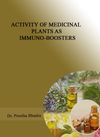
In this review, researchers evaluated 111 studies on the biological activities and phytochemical components of the plant Tridax procumbens, emphasizing its ethnobotanical potential and the need for more research to understand its therapeutic benefits, especially in its native tropical regions.
 January 2025 in “International Journal of Biological Innovations”
 This review article discusses the potential benefits of phytochemicals in hair care, highlighting their ability to improve scalp health, reduce dandruff, and promote hair growth, while emphasizing their safety and minimal side effects compared to conventional therapies.
 January 2025 in “International Journal of Pharmacognosy and Life Science”
 In this review, researchers highlighted the potential benefits of using herbal remedies, such as Aloe vera, Bhringraj, Neem, Tea tree oil, Amla, and Hibiscus, for treating various hair problems like dandruff, scalp infections, and premature greying, suggesting natural alternatives to traditional hair treatments.
 January 2025 in “Journal of Pharmacognosy and Phytochemistry”
 This abstract outlines the concept and benefits of herbal hair masks, emphasizing that these plant-based formulations, including ingredients like Bhringraj and Hibiscus, may enhance scalp health and hair strength without adverse effects, but does not report specific research findings.
 December 2024 in “International Journal of experimental research and review”
 This study developed a stable nanoemulsion using ultrasonic vibrations and Tween 80 emulsifier, which can enhance the antibacterial activity and prolong the shelf life of food products, as well as be applicable in cosmetics and pharmaceuticals for oral and transdermal use.
 December 2024 in “International Journal of Advanced Research in Science Communication and Technology”
 In this study, researchers prepared a herbal hair tonic using virgin coconut oil and nine herbs, evaluating its antibacterial, antifungal activities, and benefits for hair strength, with variations in ingredient concentrations and analyses for consistency and appearance.
 December 2024 in “International Journal on Science and Technology”
 In this study, researchers prepared a poly herbal hair oil using fresh plant leaves, including neem, and reported that these herbal formulations exhibit effective hair growth with fewer side effects compared to synthetic alternatives.
 October 2024 in “Current Trends in Biotechnology and Pharmacy”
 In this study, researchers developed a halal shampoo containing Centella asiatica and Phyllanthus emblica extracts, finding that a formula with specific concentrations exhibited high antioxidant activity and ideal physicochemical properties for hair cleansing and potential hair growth promotion.
 June 2024 in “International Journal of Pharmaceutical Research and Applications”
 In this overview, researchers highlighted the potential for using traditional knowledge from Ayurveda and other systems to identify plant compounds for herbal cosmetics, emphasizing a hair serum that hydrates the scalp and promotes hair growth as an area of interest. Results were not reported.

In their review, the authors discussed the increasing issue of allergies to hair products, highlighting common allergens such as hair dyes and topical minoxidil, and outlined diagnostic methods and alternatives for those affected, particularly addressing higher risks among hairdressers due to professional exposure.
 April 2024 in “International Research Journal Of Modernization In Engineering Technology And Science”
 This study identified promising properties of a herbal shampoo formulation, suggesting its potential for human cosmetic use, but notes that further optimization is needed to fully explore its benefits.

This review discusses the potential link between contact allergy and frontal fibrosing alopecia, noting the presence of implicated allergens in current literature, but reports no new clinical findings.
 February 2024 in “International journal of biology, pharmacy and allied sciences”
 This study formulated a herbal hair oil using various plant extracts in coconut oil and reported its physical and chemical properties, such as viscosity and pH, but did not provide findings on its effects on hair health.
 February 2024 in “Mikailalsys Journal of Mathematics and Statistics”
 This study suggests that the non-seasonal Holt-Winters method effectively forecasts stock price returns for companies affected by the BDS action, with five out of six stocks showing decreases.
 January 2024 in “International Journal of Research Publication and Reviews”
 The herbal hair serum with rosemary, hibiscus, and neem is safe and effective for hair care.
 January 2024 in “Pharmacophore”
 This source discusses the potential of integrating herbal extracts with nanotechnology in skincare products, highlighting improved effectiveness and targeted delivery of active ingredients to skin cells compared to traditional formulations.
 December 2023 in “International Journal For Multidisciplinary Research”
 This source reviews the application of various natural substances, particularly plant extracts from the Ayurvedic system, in promoting hair growth, addressing common issues like pigmentation, dandruff, and hair loss.
 November 2023 in “International journal of biology, pharmacy and allied sciences”
 This source discusses various causes of hair loss, including conditions like alopecia areata and infections like ringworm, and notes that herbal formulations are gaining attention as potential treatments due to their minimal side effects compared to synthetic drugs.
 November 2023 in “International journal of Ayurveda and pharma research”
 This study prepared and evaluated a polyherbal hair oil using plant-based ingredients, finding that it met standard parameters and effectively addressed hair problems such as growth and dandruff, with FDA approval for clinical use.
 October 2023 in “Journal of Medicine, University of Santo Tomas (JMUST Online)”
 This study reported that among Filipino elderly patients, xerosis/xerotic eczema was the most common dermatological condition leading to consultation, with inflammatory dermatoses being the predominant category of skin diseases observed from 2014 to 2018 at a tertiary hospital's dermatology service.