May 2025 in “Journal of the European Academy of Dermatology and Venereology” This study found that 45.5% of alopecia areata patients treated with ritlecitinib 50 mg daily achieved significant hair regrowth, with most maintaining their response over 24 months.
May 2026 in “Dermatology and Therapy” This study reports that among adults with severe alopecia areata taking ritlecitinib, 49% saw hair regrowth within 3 months, increasing to 82% after more than 6 months; treatment satisfaction also rose with longer duration, indicating sustained efficacy and improved quality of life over time.
May 2025 in “Immunotherapy” This study observed that patients with alopecia areata taking ritlecitinib reported higher satisfaction with hair growth after 24 and 48 weeks compared to those taking a placebo, aligning with improvements in hair growth noted by doctors.
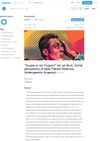
In this study, 13 men with male pattern baldness were rated significantly more attractive and somewhat healthier when wearing a custom-made toupee, with higher attractiveness ratings coming from male judges than female judges.
3 citations
,
January 2015 in “Indian journal of paediatric dermatology” This case report describes an 18-month-old male with ichthyosis follicularis alopecia photophobia syndrome who experienced transient improvement in skin symptoms after oral isotretinoin treatment.
 November 2025 in “SKIN The Journal of Cutaneous Medicine”
 In this phase 3 trial, baricitinib showed effectiveness and safety in both adolescents and adults with severe alopecia areata, with adolescents achieving higher response rates despite more severe baseline conditions, suggesting the advantages of early treatment.
August 2025 in “Brazilian Journal of Hair Health” This study found that 29.6% of patients seeking treatment for hair loss meet the criteria for hair-related body dysmorphic disorder, significantly higher than in general dermatology patients.
 August 2018 in “Journal of The American Academy of Dermatology”
 A 5-year-old girl with a rare skin disorder was effectively treated with skin creams instead of oral medication.
November 2025 in “SKIN The Journal of Cutaneous Medicine” This study observed that adolescents with alopecia areata receiving ritlecitinib 50 mg daily showed notable hair regrowth over three years, as seen in both clinician- and patient-reported outcomes. However, the decreased number of participants at later stages limits the findings.
February 2026 in “International Journal of Dermatology” In a single-center study, adolescents with moderate-to-severe alopecia areata treated with ritlecitinib 50 mg daily for 24 weeks showed significant hair regrowth, with 27.3% achieving near-complete regrowth and 45.5% substantial improvement, without serious safety concerns, according to these researchers.
4 citations
,
April 2019 in “JAAD Case Reports” This article reviews the clinical features of dermatopathia pigmentosa reticularis, highlighting its characteristic triad of symptoms, but provides no new research results.
July 2025 in “SKIN The Journal of Cutaneous Medicine” This study describes characteristics and outcomes for adults initiating ritlecitinib for severe alopecia areata, highlighting increased hair regrowth and physician satisfaction with longer treatment durations, despite ongoing psychosocial impacts like embarrassment and anxiety among patients.
16 citations
,
November 2008 in “Hormone research” In this study, cyproterone acetate treatment in hirsute women resulted in a 19% reduction in hair growth rate and a 33% improvement in physician-rated hirsutism scores.
 3 citations
,
June 2004 in “Annales De Dermatologie Et De Venereologie”
3 citations
,
June 2004 in “Annales De Dermatologie Et De Venereologie” This review summarizes the adverse effects associated with 5α‐reductase inhibitors, noting slightly increased rates of decreased libido, erectile and ejaculatory dysfunction, gynecomastia, depression, and anxiety, with further studies needed to explore symptom prevalence and persistence.
 1 citations
,
August 2022 in “International journal of biological and chemical sciences”
1 citations
,
August 2022 in “International journal of biological and chemical sciences” This study found that iodine deficiency, iodine excess, or the presence of antithyroid substances affected growth and behavior in Wistar rats, leading to various symptoms such as lethargy and alopecia.
12 citations
,
January 2024 in “Journal of the American Academy of Dermatology”  74 citations
,
July 1979 in “Lancet”
74 citations
,
July 1979 in “Lancet” This case report describes a 10-month-old boy with dermatitis, alopecia, and hypotonia who showed dramatic improvement with oral biotin, suggesting a possible defect in biotin absorption or transport.
2 citations
,
June 2024 in “Dermatology” This study found that patients receiving active ritlecitinib doses reported greater satisfaction with hair growth compared to placebo, with high agreement observed between clinician evaluations of scalp hair improvement and patient satisfaction through week 48.
 July 2025 in “Dermatology and Therapy”
 This study found that patients with alopecia areata showing low treatment burden responded better to baricitinib compared to those with higher previous systemic treatment exposure.
This article discusses solitary hirsutism, emphasizing that treatment is mostly cosmetic unless contraception is also desired, and reports no new clinical results.
 4 citations
,
February 1988 in “Journal of the American Academy of Dermatology”
4 citations
,
February 1988 in “Journal of the American Academy of Dermatology” Congenital triangular alopecia is more common than thought and some treatments can be beneficial for appearance concerns.
20 citations
,
July 1998 in “Archives of dermatology” 48 citations
,
July 2023 in “Pediatric Dermatology” This study found that among adolescents with alopecia areata and significant hair loss, treatment with ritlecitinib resulted in greater hair regrowth and self-reported improvement compared to placebo over 48 weeks, with common side effects including headache, acne, and nasopharyngitis.
2 citations
,
October 2020 September 2001 in “Swiss Medical Forum ‒ Schweizerisches Medizin-Forum” August 2021 in “Indian dermatology online journal” This study reported an unusual case of nail matrix involvement and trachyonychia in a child with juvenile pityriasis rubra pilaris, showing significant improvement with topical therapy and oral biotin.
January 2026 in “Dermatologic Therapy” This study found that only a small percentage of alopecia areata patients treated with baricitinib in real-world settings would have met the eligibility criteria used in clinical trials.
3 citations
,
July 2025 in “Clinical and Experimental Dermatology” This study reported that patients with alopecia areata treated with ritlecitinib in a real-life setting had a higher rate of positive response on the Severity of Alopecia Tool score compared to those in the ALLEGRO trial.
 1 citations
,
December 2014 in “Klinik Psikofarmakoloji Bülteni-Bulletin of Clinical Psychopharmacology”
1 citations
,
December 2014 in “Klinik Psikofarmakoloji Bülteni-Bulletin of Clinical Psychopharmacology” This study reports that a 15-year-old with trichotillomania showed improvement with aripiprazole treatment, though no consensus on treatment exists in the literature.