1 citations
,
September 2021 in “Frontiers in genetics” This case report identifies a previously undocumented nonsense mutation in DCAF17 in a Chinese patient with Woodhouse-Sakati syndrome, inherited from consanguineous parents.
 November 2024 in “NeoReviews”
 Pallister-Killian Syndrome is a complex genetic disorder requiring coordinated care and genetic counseling.
 13 citations
,
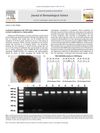
November 2009 in “Journal of Dermatological Science”
13 citations
,
November 2009 in “Journal of Dermatological Science” This article discusses various dermatological studies cited by previous authors and reports no new clinical results.
 1 citations
,
February 2023 in “Frontiers in Endocrinology”
1 citations
,
February 2023 in “Frontiers in Endocrinology” This study demonstrates that combining gene expression data with a random forest algorithm provides highly accurate diagnosis of childhood growth hormone deficiency, showing potential utility in distinguishing it from non-GHD short stature.
 103 citations
,
March 2015 in “Nature Communications”
103 citations
,
March 2015 in “Nature Communications” This study identified a genetic locus associated with idiopathic scoliosis in females, which might influence spinal gene expression and was previously linked to protection from early-onset alopecia.

This study discusses the transformative potential of gene editing technologies, such as CRISPR-Cas9, for personalized aesthetic interventions in dermatology, but highlights the need for rigorous safety measures, ethical considerations, and careful regulatory oversight before clinical application.
16 citations
,
July 2021 in “American Journal of Medical Genetics Part A” This study identified novel LSS mutations implicated in hypotrichosis simplex with or without neurodevelopmental abnormalities, highlighting the need for careful evaluation of synonymous mutations' potential pathogenic effects.
 42 citations
,
December 2016 in “Cell Death & Differentiation”
42 citations
,
December 2016 in “Cell Death & Differentiation” This study found that transient mtDNA double strand breaks in mice accelerated aging in certain tissues through increased reactive oxygen species, independent of p21/p53 pathway mediation.
 January 2022 in “Function”
 This article analyzes the potential for insights from monogenic disorders to inform the understanding and treatment of common polygenic diseases, though complete predictability based on genotype remains unrealistic.
 3 citations
,
December 2021 in “Frontiers in endocrinology”
3 citations
,
December 2021 in “Frontiers in endocrinology” In this study, a novel DCAF17 gene mutation was identified in a Chinese family, suggesting a potential role in pancreatic β cell dysfunction and diabetes development in Woodhouse-Sakati syndrome.
1 citations
,
September 2020 in “Journal of dermatology” This study identified a novel mutation and confirmed a previous mutation in the LIPH gene in a woman with autosomal recessive woolly hair, expanding the mutation spectrum for this condition.
2 citations
,
December 2013 in “Journal of dermatology” This letter reports a homozygous missense mutation in the LIPH gene causing autosomal recessive hypotrichosis simplex in a Chinese patient.
4 citations
,
October 2021 in “Journal of Clinical Medicine” This study found that individuals with heterozygous truncation-type variants in the *DSP* gene exhibit lower skin temperature and higher transepidermal water loss, with specific microscopic skin changes and pseudomonilethrix.
May 2023 in “Zenodo (CERN European Organization for Nuclear Research)” This study highlights the potential of forensic DNA phenotyping using Next Generation Sequencing to predict eye, hair, and skin color, aiding criminal investigations, though adoption faces challenges due to incomplete genetic understanding and ethical, social, and legal concerns.
 5 citations
,
September 2012 in “Journal of Investigative Dermatology”
5 citations
,
September 2012 in “Journal of Investigative Dermatology” This study found that knocking down P-cadherin expression in cultured human hair follicles recreates the hair abnormalities seen in patients with hypotrichosis with juvenile macular dystrophy.
 13 citations
,
December 2020 in “PLoS ONE”
13 citations
,
December 2020 in “PLoS ONE” This study found dependencies between genetic variants and various phenotypes related to fetal and early childhood growth and neurological development in healthy infants, suggesting significant gene candidates for further investigation.
 August 2016 in “Journal of Investigative Dermatology”
 This case report identifies a novel LIPH gene mutation linked to autosomal recessive woolly hair/hypotrichosis in a Japanese boy, expanding the spectrum of known mutations associated with this condition.
 6 citations
,
January 2020 in “BMC Medical Genetics”
6 citations
,
January 2020 in “BMC Medical Genetics” In this study, researchers identified a novel STS gene (c.287G > A; p.W96*) mutation in Pakistani individuals with X-linked ichthyosis, expanding the understanding of its genetic causes and aiding in genetic counseling.
 13 citations
,
October 2024 in “Scientific Reports”
13 citations
,
October 2024 in “Scientific Reports” In this study using data from young women in West Bengal, India, the researchers identified that leptin signaling impairment, insulin resistance, and specific gene mutations significantly contribute to PCOS, with obesity commonly manifesting in affected individuals.
February 2024 in “bioRxiv (Cold Spring Harbor Laboratory)” This study found that Pik3r1 Y657* mice, which model human SHORT syndrome, show increased energy expenditure despite insulin resistance, but this is not due to changes in locomotion, thermoregulation, or Ucp1-dependent thermogenesis, suggesting a different metabolic mechanism may protect against lipotoxicity.
 September 2016 in “Journal of Dermatological Science”
 This study identified that in Japanese patients with autosomal recessive woolly hair/hypotrichosis, the c.736T > A LIPH mutation is associated with a mild phenotype, while the c.742C > A mutation may lead to severe baldness.
 14 citations
,
January 2008 in “Gene therapy”
14 citations
,
January 2008 in “Gene therapy” Gene therapy shows promise for enhancing physical traits but faces ethical, safety, and regulatory challenges.
20 citations
,
July 2005 in “Experimental dermatology” This study found that the fuzzy mutation in mice is linked to both structural hair defects and accelerated hair follicle cycling, influencing the regulation of hair cycle phases such as catagen and anagen.
 5 citations
,
December 2017 in “The Journal of Dermatology”
5 citations
,
December 2017 in “The Journal of Dermatology” This report describes a unique case of Schöpf–Schulz–Passarge syndrome in a Taiwanese man linked to a previously unreported homozygous WNT 10A mutation, underscoring its role in ectodermal dysplasia.
 10 citations
,
October 2016 in “Monoclonal antibodies in immunodiagnosis and immunotherapy”
10 citations
,
October 2016 in “Monoclonal antibodies in immunodiagnosis and immunotherapy” This study developed rat monoclonal antibodies that specifically detect Pax1/PAX1 protein, which could improve diagnostic protocols for conditions involving deregulated Pax1/PAX1 expression.
 4 citations
,
January 2011 in “Annals of Dermatology”
4 citations
,
January 2011 in “Annals of Dermatology” This article discusses the role of HR gene mutations in differentiating atrichia with papular lesions from alopecia universalis, but presents no new experimental results.
 138 citations
,
November 2015 in “Journal of Pharmacology and Experimental Therapeutics”
138 citations
,
November 2015 in “Journal of Pharmacology and Experimental Therapeutics” This review discusses the mechanisms associated with protoporphyrin IX in living cells and reports no clinical results; the authors emphasize its potential in cancer diagnosis and the risks of toxicity.
32 citations
,
November 2020 in “UNC Libraries” This study identified a mutation in the steroid-binding domain of the androgen receptor gene associated with complete androgen insensitivity syndrome, impairing male sexual development due to altered androgen receptor protein function.
April 2017 in “The journal of investigative dermatology/Journal of investigative dermatology” This case report identified a 6-month-old girl with congenital generalized hypertrichosis and gingival hyperplasia, where a de novo CNV on chromosome 17q24.2-24.3 was associated with reduced expression of ABCA5 and SOX9.
22 citations
,
April 2012 in “The American journal of pathology” This study found that the loss of Msx2 in knockout mice led to phenotypes similar to Peters anomaly and microphthalmia, suggesting that MSX2 plays a critical role in anterior segment development of the eye.