1 citations
,
March 2017 in “Semina Ciências Agrárias” This case report describes a Dogo Argentino dog with M. nanum infection, likely from hunting wild boar, that responded well to itraconazole and topical miconazole treatment.

In this case report, a woman's Majocchi's granuloma, linked to her pet guinea pig infected with Trichophyton mentagrophytes, improved significantly with a combination of terbinafine and ketoconazole cream.
This review discusses seborrheic dermatitis and pityriasis sicca but reports no new clinical findings.
 August 2019 in “International journal of current microbiology and applied sciences”
 This study found that among 86 skin scrapings from various dog breeds with ringworm lesions, Microsporum species were the predominant fungal infection, with Labradors showing the highest infection rate. Miconazole was most effective in antifungal susceptibility tests.
 August 1986 in “Journal of The American Academy of Dermatology”
 Minoxidil showed a 30% success rate for hair growth in a study, and various skin treatments were effective, but some had limitations or side effects.
 3 citations
,
February 2020 in “International journal of women’s dermatology”
3 citations
,
February 2020 in “International journal of women’s dermatology” Most women with hair loss take more supplements than average, but these often don't help and can be risky and costly.
 1 citations
,
March 1997 in “Journal of the American Pharmaceutical Association”
1 citations
,
March 1997 in “Journal of the American Pharmaceutical Association” This guideline summary, endorsed by six Spanish pediatric societies, outlines consensus recommendations for managing childhood asthma, emphasizing diagnosis, maintenance treatment with low-dose inhaled corticosteroids, and patient education for effective control.
 November 2010 in “Clin-Alert”
 Monitoring for adverse effects in clinical treatments is crucial.
 October 1997 in “Baylor University Medical Center Proceedings”
 Obesity in the U.S. is largely influenced by diet and exercise, certain medications can improve heart procedures and hair growth, and major teaching hospitals have better patient outcomes.
5 citations
,
January 2020 in “Veterinary Dermatology” In this study, researchers evaluated the antifungal effectiveness of topical products on infected kitten hair, finding most were effective after one application, with enilconazole and lime sulfur showing residual activity; however, 0.15% ketoconazole with chlorhexidine had no such lasting effect.
 February 2020 in “Diabetologie Und Stoffwechsel”
 This article reviews treatment strategies for polycystic ovary syndrome, specifically recommending letrozole for infertility, while also discussing lifestyle changes and other potential therapies, and reports no new research findings.
 March 2016 in “National Repository of Dissertations in Serbia”
 This study found that dutasteride is more cost-effective compared to finasteride for treating benign prostatic hyperplasia in Montenegro, justifying its funding by the national health insurance fund.
March 2023 in “Reactions Weekly” 11 citations
,
July 1984 in “Australian Veterinary Journal” This study found that povidone iodine, thiabendazole ointment, captan ointment, and Burroughs Wellcome Ringworm Ointment were effective against Trichophyton equinum var. autotrophicum in horses, but large-scale use may be limited by practicality and cost.
14 citations
,
January 1991 in “PubMed” This study reports that once-daily oxiconazole cream effectively achieves mycologic and clinical cures for various fungal infections, with success rates of at least 80% in patients.
February 2023 in “Reactions Weekly” 22 citations
,
June 1991 in “Clinical Therapeutics” This study found that once-daily oxiconazole cream effectively treats tinea infections, achieving at least 80% cure rates, and shows comparable efficacy to other antifungal creams with similar tolerability.
 December 2025 in “PubMed”
 In this study, researchers found that a propylene glycol-free and alcohol-reduced topical foam containing minoxidil and finasteride remained chemically, physically, and microbially stable for 180 days when stored properly at room temperature in light-resistant containers.
This report describes a case where a young woman developed Kerion Celsi, a fungal skin infection, potentially linked to the use of a tretinoin, minoxidil, and betamethasone valerate lotion.
5 citations
,
November 2010 in “Veterinary Record” Treatment with oral terbinafine and topical enilconazole was successful in resolving a Trichophyton dermatophytosis outbreak in L'Hoest's monkeys, with complete mycological cure achieved after eight weeks.
 January 2024 in “Open Journal of Veterinary Medicine”
 In this study on dogs with yeast imbalances and dermatological signs, a protocol using chlorhexidine and Ophytrium products significantly reduced Malassezia pachydermatis counts and improved pruritus and irritation scores over 21 days, earning positive assessments from veterinarians and owners in most cases.
10 citations
,
March 2008 in “Journal of Zoo and Wildlife Medicine” This case study describes successful treatment of a siamang's persistent Microsporum canis infection using a sustained-release clotrimazole varnish, leading to lesion resolution after two years of clinical signs.
4 citations
,
July 1987 in “Dermatologic Clinics” 15 citations
,
March 2019 in “Veterinary Dermatology” This study found that three mousse products containing chlorhexidine and varying antifungal components maintained significant antibacterial activity against S. pseudintermedius in vitro for up to 10 days, while other mousses did not show significant differences.
 September 2023 in “International Journal of Cosmetic Science”
 The researchers observed that two non-antimicrobial shampoos caused a significant increase in fungal germs but did not affect the overall scalp microbiota diversity over two weeks, suggesting these formulations may preserve or stimulate the scalp microbiota without adverse effects.
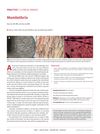 1 citations
,
July 2018 in “CMAJ. Canadian Medical Association journal”
1 citations
,
July 2018 in “CMAJ. Canadian Medical Association journal” This case report describes a three-year-old girl with a two-year history of hair loss who was previously treated with selenium sulfide shampoo, with no family history of alopecia.
 July 2014 in “Disease-a-Month”
 The document gives treatment advice for various skin conditions, like using metronidazole for perioral dermatitis and minoxidil for hair loss.
 May 2024 in “Microbial Biosystems Journal”
 This study found that the antifungal potential of six herbal shampoos developed using various phytoconstituents is comparable to marketed synthetic antifungal shampoos in treating Seborrheic dermatitis caused by Candida albicans.
February 2023 in “Reactions Weekly”  39 citations
,
January 2019 in “Journal of Dermatological Treatment”
39 citations
,
January 2019 in “Journal of Dermatological Treatment” This review found topical ketoconazole to be highly effective against Malassezia-related skin conditions, though other treatments may outperform it for Tinea and Candida infections.