37 citations
,
August 2019 in “Frontiers in Microbiology” This study found that the S. epidermidis A/C lineage is more pathogenic due to its metabolic and genomic versatility, which allows it to adapt quickly from a commensal to a pathogenic lifestyle.
 June 2023 in “Deleted Journal”
 This study found that all healthy cats tested were carriers of *Microsporum canis*, and 86.66% of dogs carried this fungus, with further positive cultures for other dermatophytes and yeasts suggesting these animals may contribute to environmental fungal spread.
June 2023 in “Journal of Biosciences and Health” This study found that all tested cats and 86.66% of dogs were carriers of dermatophytes like Microsporum canis, with cats showing higher prevalence, indicating these asymptomatic animals may significantly contribute to the spread of dermatophytosis and dermatomycoses.
1 citations
,
April 2024 in “Pathogens” This study observed mycobacterial infection with M. xenopi in a pet ferret, noting its resistance to doxycycline, and highlighted the potential zoonotic transmission risk associated with such infections.
This study found that the novel bacteriophage Halo KS-7 shows strong antibacterial activity against carbapenem-resistant Klebsiella pneumoniae and significantly promotes wound healing in mice, making it a promising biocontrol agent for managing multidrug-resistant infections.
 January 2024 in “Medical mycology journal”
 This study reported three cases of tinea corporis caused by Microsporum canis in a household, linked to a domestic cat, where genetic analysis suggested a familial transmission route.
 March 2026 in “Zenodo (CERN European Organization for Nuclear Research)”
 This publication presents a library of precision geometric medicines that reportedly kill harmful bacteria and fungi while sparing beneficial organisms, using a delivery system that targets pathogens specifically and avoids ecological harm.
This study found that four bacterial isolates from a microbiology laboratory collection demonstrated resistance to selenate, with molecular analysis showing they closely resemble different strains of Bacillus megaterium.
2 citations
,
October 2001 in “Mycoses” This study confirmed that a rare dermatophyte infection in a young cat was caused by Arthroderma gypseum, identified using molecular analyses.
 3 citations
,
November 2017 in “International Journal of Pharmacy and Pharmaceutical Sciences”
3 citations
,
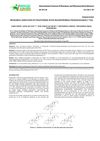
November 2017 in “International Journal of Pharmacy and Pharmaceutical Sciences” This study identified new oxidative derivatives of finasteride, including a newly discovered metabolite, by using the fungus Macrophomina phaseolina.
 March 2026 in “Zenodo (CERN European Organization for Nuclear Research)”
 This publication presents a library of geometric medicines designed to selectively target pathogenic bacteria and fungi with high precision while minimizing ecological harm, available for free on a non-commercial basis.
9 citations
,
June 2011 in “American Journal of Dermatopathology” This report presents a case of molluscum contagiosum virus infection within an epidermoid cyst in a 13-year-old on long-term steroid treatment, highlighting its rare occurrence and need for histological examination for accurate diagnosis.
8 citations
,
February 2025 in “Cell Systems” This study developed a genetic toolbox to engineer Cutibacterium acnes for dermal applications, successfully creating a strain that secretes antioxidants to reduce oxidative stress in a UV stress model.
5 citations
,
January 2000 This study observed a new skin disease in farmed mink in Canada, suggesting that an unidentified infectious agent, in association with secondary bacterial infection, may cause the condition.
8 citations
,
March 2023 in “BMC Research Notes” This pilot study explored a new method using laser-capture microdissection and 16S rRNA gene sequencing to analyze the human scalp hair follicle microbiome more accurately, revealing region-specific variations in microbial diversity and abundance.
 April 2026 in “Ankara Üniversitesi Veteriner Fakültesi Dergisi”
 This study found that Mueller-Hinton Agar performed better than Dermasel Agar for antifungal susceptibility testing of feline dermatophytes, providing reliable susceptibility data for effective antifungal therapy.
 July 2025 in “Veterinarski arhiv”
 In this study, researchers found that 32.5% of stray cats in Bogor, Indonesia, tested positive for dermatophyte infections, specifically Microsporum canis, highlighting the potential zoonotic risk these cats pose.
 December 2025 in “Medical & Clinical Case Reports Journal”
 This article suggests that scalp erythrasma caused by Corynebacterium minutissimum may be underdiagnosed and that oral antibiotics used for other conditions could reduce its risk.
 40 citations
,
November 2017 in “International journal of nanomedicine”
40 citations
,
November 2017 in “International journal of nanomedicine” In this study, the researchers reported that chloramphenicol-loaded liposomes, particularly those incorporating deoxycholic acid, enhanced follicular uptake and showed strong antibacterial activity against methicillin-resistant Staphylococcus aureus, offering potential for treating MRSA-infected skin conditions with good skin biocompatibility and minimal toxicity.
May 2018 in “Digital ProScholar Media eBooks” This study evaluated the antimicrobial activity of a newly synthesized fluoroquinolone against Staphylococcus, Streptococcus, and Escherichia coli strains. The researchers compared results from the microdilution technique and agar disk diffusion method to EUCAST's recommended breakpoint values, building on promising in silico molecular docking tests.
This case report documents the first instance of Microsporum canis infection in a red fox, successfully treated with ketoconazole, highlighting asymptomatic cats as possible carriers of this pathogen.
 December 2023 in “Indian Journal of Canine Practice”
 In this case report, a 3-year-old beagle with recurrent skin lesions and alopecia due to a methicillin-resistant Staphylococcus aureus infection showed significant improvement within 10 days and complete resolution after a 28-day treatment with oral linezolid, alongside fungal infection management.
25 citations
,
June 1998 in “Journal of Investigative Dermatology” Murine cytomegalovirus does not cause alopecia areata in these mice.
 8 citations
,
April 2015 in “Transboundary and Emerging Diseases”
8 citations
,
April 2015 in “Transboundary and Emerging Diseases” This report describes an outbreak of catheter-related infections by ESBL-producing E. coli in calves at an animal teaching hospital, highlighting the risk of these strains becoming nosocomial and increasing mortality and antibiotic use.
14 citations
,
August 2013 in “Journal of Parasitology” This study reported that 39.7% of Amargosa voles had mite-associated lesions, which may severely impact their health and fitness.
1 citations
,
November 2024 in “Pathogens” This study provides a comprehensive analysis of over two decades of lung microbiome research, highlighting increasing publication and citation trends, key authors, institutions, and emerging research frontiers, while identifying areas needing more exploration for future studies.
9 citations
,
January 2015 in “Veterinary record case reports” This study reports the first successful treatment of a dog infected with Mycobacterium avium subspecies hominissuis using antibiotics, with no zoonotic transmission observed.
40 citations
,
July 2008 in “PROTEOMICS” This study introduced a bioengineered model that simulates acne's microenvironment in mice, enabling the exploration of host and P. acnes interactions and presenting a novel platform for anti-acne drug and vaccine screening.
71 citations
,
December 2010 in “Preventive Veterinary Medicine” This study found that Microsporum canis was the most prevalent dermatophyte in dogs and cats in Western Turkey, with younger animals more frequently infected than older ones.
 3 citations
,
January 2022 in “Medical Mycology Journal”
3 citations
,
January 2022 in “Medical Mycology Journal” This study observed Malassezia hyphae in the keratotic plugs of healthy individuals, which contrasts with previous findings of these hyphae primarily in lesions of pityriasis versicolor patients.