 8 citations
,
July 2024 in “PLoS ONE”
8 citations
,
July 2024 in “PLoS ONE” In a comparative genomic study, researchers observed significant genetic differences among the three chemical races of the alga Botryococcus braunii, leading them to propose reclassifying these races as distinct species based on their unique genomic characteristics.
 5 citations
,
January 2021 in “iScience”
5 citations
,
January 2021 in “iScience” Using a combination of specific cell cycle regulators is better for safely keeping hair root cells alive indefinitely compared to cancer-related methods.
 December 2023 in “Frontiers in microbiology”
 This study reported that mannan oligosaccharides improved the fur quality, immune response, antioxidant status, and gut microbiota of fur-growing raccoon dogs, suggesting they could potentially replace antibiotics in their diet.
21 citations
,
August 2024 in “Journal of Clinical Medicine” This review highlights that malnutrition, including deficiencies in proteins and micronutrients, may exacerbate allergic conditions like dermatitis and asthma by promoting inflammation, while adequate micronutrient intake supports regulatory immune responses.
2 citations
,
August 2024 in “Molecular Genetics & Genomic Medicine” In this case study, an 8-day-old neonate with holocarboxylase synthetase deficiency showed dramatic improvement in lactic acidosis and overall clinical condition following biotin mega-dose therapy, highlighting the importance of early genetic testing and timely treatment in such metabolic disorders.
14 citations
,
July 2022 in “Nutrients” This review discusses new research on the role of retinoids in skin and hair health and reports no clinical results.
13 citations
,
December 2021 in “Molecules” This review discusses the potential uses of inorganic nanomaterials for imaging and detecting brain diseases, but reports no new experimental results; it calls for improvements in diagnosis precision and imaging accuracy.
27 citations
,
September 2021 in “Microbiology Spectrum” This study found that multimetal starvation by the immune protein calprotectin triggers unique regulatory responses in Pseudomonas aeruginosa, beyond those seen with individual metal shortages.
10 citations
,
June 2022 in “Development” This study suggests that distinct chromatin topologies allow different lineage-specific enhancers to regulate Hoxd genes in mouse vibrissae and chicken feather primordia, while conserved regulatory elements maintain transcriptional robustness in the embryonic trunk across species.
 18 citations
,
December 2021 in “Foods”
18 citations
,
December 2021 in “Foods” This study explores the potential of seaweeds as a source of bioactive compounds for food, cosmetics, and medical applications, while highlighting concerns about toxic element accumulation and suggesting purification and nanoencapsulation techniques to enhance safety and stability.
 9 citations
,
May 2010 in “Journal of Investigative Dermatology”
9 citations
,
May 2010 in “Journal of Investigative Dermatology” In this study, researchers observed that human sebaceous glands can regenerate in a mouse model using transplanted human skin, potentially offering a tool to study sebaceous gland biology and regeneration.
 7 citations
,
June 1989 in “Steroids”
7 citations
,
June 1989 in “Steroids” In this study, the synthesis of C-4 and C-6 bridged haptens of 11 alpha-hydroxyprogesterone revealed an unexpected formation of a C-4 substituted product using a 6-bromo derivative, contrary to prior reports.
 9 citations
,
July 2018 in “European journal of dermatology/EJD. European journal of dermatology”
9 citations
,
July 2018 in “European journal of dermatology/EJD. European journal of dermatology” This study provides evidence that long-term deregulation of the circadian rhythm in humans affects the regenerative properties of skin and hair precursor cells by altering clock pathway protein expression.
 3 citations
,
January 2015 in “Turkiye Klinikleri Journal of Medical Sciences”
3 citations
,
January 2015 in “Turkiye Klinikleri Journal of Medical Sciences” The researchers reported that corticosteroid treatments for alopecia areata led to clinical improvement but did not significantly alter oxidative stress markers, suggesting a limited regulatory effect on these systems.
 October 2023 in “bioRxiv (Cold Spring Harbor Laboratory)”
 This study demonstrated that disrupting EGFR signaling in mice leads to immune sensitivity compromising the hair follicle's protective environment, but JAK1/2 inhibition can restore this immune privilege and stimulate hair growth, suggesting a potential therapy for scarring hair loss diseases like cicatricial alopecia.
 January 2025 in “New Journal of Chemistry”
 In this study, researchers developed hollow mesoporous organosilica nanoparticles and confirmed their synthesis using IR spectroscopy, then evaluated the nanoparticles for endocytosis and biocompatibility, although specific results of these tests are not reported in the abstract.
3 citations
,
July 2023 in “Biomolecules” This study reports that some human cell surface HLA-I molecules (including HLA-B27) can appear without their usual peptide component, potentially altering immune interactions, influencing arthritis development in specific mice models, and exhibiting upregulation in certain cancer cells.
27 citations
,
September 1988 in “PubMed” In this study, researchers used three-dimensional reconstruction to show that the shape of the hair follicle determines the hair's form, with variations observed among different racial groups.
83 citations
,
January 2023 in “Development” This review provides an overview of Hox genes, focusing on their evolutionary history, genomic organization, and roles in development, but reports no new study results.
This study introduces a novel visible light-mediated intramolecular [2+2] cycloaddition process that forms 6-azabicyclo[3.1.1]heptanes, offering a new synthesis route for bioisosteric mimetics used in drug discovery, potentially expanding medicinal chemistry applications beyond traditional limitations.
 May 2026 in “Frontiers in Cell and Developmental Biology”
 This review discusses hair follicle organoids as emerging models for studying hair biology and disorders, emphasizing their promise for bridging basic research and clinical applications, but reports no new results.
74 citations
,
March 2013 in “Development” This study found that Hopx labels a long-lived progenitor population in hair follicles, which contributes to hair follicle stem cell homeostasis and has an alternative origin from previously thought progenitors.
 February 2026 in “Nature Synthesis”
 In this study, researchers introduced a visible-light-mediated intramolecular cycloaddition method that selectively forms 6-azabicyclo[3.1.1]heptanes, suggesting these structures could offer promising new scaffolds for drug discovery and medicinal chemistry.
 21 citations
,
October 2009 in “European Journal of Pharmaceutical Sciences”
21 citations
,
October 2009 in “European Journal of Pharmaceutical Sciences” This study found that drying finasteride solvates at 85 °C for one day produced a metastable anhydrous form.
 September 2017 in “Journal of Investigative Dermatology”
 This study found that hyaluronic acid increased the size and cell proliferation of mixed aggregates in a 3D culture model, indicating its role in human hair follicle germ-like structure formation without enhancing dermal papilla cell markers.
 13 citations
,
February 2015 in “Journal of Pharmaceutical Sciences”
13 citations
,
February 2015 in “Journal of Pharmaceutical Sciences” This study found that the polymorphic forms I, II, and III of finasteride can be prepared purely, with form III being identical to what was previously referred to as form X.
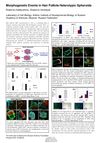
This study found that hyaluronic acid increased the size of hair follicle germ-like aggregates and the number of proliferative cells but did not maintain specific markers during the process.
January 2000 in “Zhongguo yixue wulixue zazhi” This study observed that human hair keratin showed distinct morphological features depending on the dissolution speed, which could have potential applications in clinical settings for developing self-tendons.
2 citations
,
January 2009 in “Human cell culture”  16 citations
,
July 2015 in “Journal of Molecular Structure”
16 citations
,
July 2015 in “Journal of Molecular Structure” This study comprehensively compared different crystalline forms of finasteride, including the new finasteride DMF solvate hemihydrate, to better understand their structural characteristics and intermolecular interactions.