 9 citations
,
October 2014 in “Clinical and Experimental Dermatology”
9 citations
,
October 2014 in “Clinical and Experimental Dermatology” Temporary hair loss can occur after brain AVM treatment but usually regrows in 8 weeks.
 3 citations
,
August 2024 in “Frontiers in Oncology”
3 citations
,
August 2024 in “Frontiers in Oncology” This review explores molecular targets for head and neck squamous cell carcinoma and discusses potential advancements in radiopharmaceuticals for targeted radionuclide therapy, reporting no new clinical results.
This editorial comments on a European registry evaluating the symptomatic effectiveness of pharmacological treatments for benign prostatic enlargement and presents no new research findings.
December 2025 in “Clinical and Translational Science” This review highlights that chemotherapy-induced skin toxicities from EGFR inhibitors in breast cancer treatment can significantly impact patient quality of life and treatment adherence, emphasizing the importance of proactive management and patient discussions.
 October 2010 in “International journal of radiation oncology, biology, physics”
 In this randomized study, patients with early favorable Hodgkin lymphoma showed similar complete remission and survival rates whether receiving 2 or 4 cycles of ABVD and 20 Gy or 30 Gy IFRT, though reduced toxicity was associated with fewer cycles and lower radiation doses.
1 citations
,
July 2021 in “Frontiers in Oncology” This study found that patient-reported outcomes were similar between neoadjuvant endocrine therapy and chemotherapy in premenopausal breast cancer patients, but future perspective was significantly better with endocrine therapy.
8 citations
,
June 2022 in “Cancers” In this study, EC chemotherapy was found to be noninferior to TC in causing grade 3 or 4 neutropenia among HR+/HER2-negative breast cancer patients, but EC was associated with more other adverse events.
 January 2021 in “Journal of Allergy and Therapy”
 This article reviews the phases of hair growth and differences between androgenetic alopecia and telogen effluvium but provides no new clinical findings on Electric Follicle Stimulation.
34 citations
,
May 1987 in “European Journal of Pediatrics” This study concluded that Buserelin can effectively inhibit gonadal activity in children with central precocious puberty over 18 months, potentially improving final height predictions with prolonged treatment.
 8 citations
,
December 2008 in “Clinical and Experimental Dermatology”
8 citations
,
December 2008 in “Clinical and Experimental Dermatology” This article reports on a case where treatment-resistant giant unilateral Bowen’s disease of the scalp responded to radiotherapy, but provides no further clinical details or results.
This study found that P144 (Disitertide) significantly reduced collagen deposition and improved muscle organization in a rabbit model of post-radiotherapy fibrosis, suggesting potential antifibrotic effects.
 29 citations
,
September 2017 in “Oncology and therapy”
29 citations
,
September 2017 in “Oncology and therapy” This review discusses the common dermatologic side effects of epidermal growth factor receptor inhibitors and provides practical guidance for recognizing and managing these effects; it reports no new clinical results.
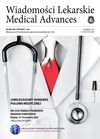 January 2024 in “Wiadomości Lekarskie”
 This study reviews modern treatment techniques for large, life-threatening pulmonary emboli and concludes that pulmonary artery thrombectomy is a safe and effective method, though it remains underutilized. Results are not reported in the abstract.
August 2003 in “Oncology Times” This article discusses the considerations and challenges surrounding a proposed large-scale trial on testosterone-replacement therapy in older men and reports no new results.
 February 2009 in “Journal of The American Academy of Dermatology”
 This study found that fractional infrared technology may improve skin laxity and thickness in the cervical area without side effects in a small group of patients.
 December 2025 in “International Journal of Surgery”
 In this study, researchers identified a causal link between Epstein-Barr virus infection and clear cell renal cell carcinoma, highlighting GBP1 as a key target and suggesting finasteride as a potential inhibitor, offering a new direction for treatment strategies.
 February 2023 in “Acta Scientific Women s Health”
 This review examines emerging and past therapies for recurrent implantation failure, focusing on three innovative strategies: PBMC, G-CSF, and PRP, but reports no new clinical results.
 July 2025 in “Dermatologic Surgery”
 This study found that PRP may increase hair density in breast cancer survivors with EIA or pCIA, but improvements did not differ statistically between treated and untreated sides.
 67 citations
,
October 1997 in “Dermatologic Surgery”
67 citations
,
October 1997 in “Dermatologic Surgery” This study found that the EpiLight Hair Removal System achieved approximately 60% hair removal after 12 weeks following a single treatment, indicating effectiveness and safety for long-term hair reduction.
 April 2026 in “Preprints.org”
 This review discusses the potential of cold atmospheric plasma as a selective antitumor therapy for breast cancer but reports no clinical results, emphasizing its promise and the challenges to its use in precision oncology.
9 citations
,
August 2023 in “Sexual Medicine Reviews” This review reports that while intracavernosal platelet-rich plasma is considered safe for treating erectile dysfunction, its efficacy remains unclear due to variable clinical trial protocols.
4 citations
,
January 2011 in “International Journal of Clinical Medicine” This study found that the epirubicin-docetaxel chemotherapy regimen for metastatic breast cancer resulted in a clinical response in 55% of patients, with maintained global quality of life despite some impairments.
172 citations
,
December 1994 in “The Journal of Dermatologic Surgery and Oncology” This study introduces a hair transplantation method combining elliptical excision and micrografting, suggesting it provides significant cosmetic improvements for androgenetic alopecia.
4 citations
,
June 2024 in “Animals” This study found that treating dogs with benign prostatic hyperplasia using osaterone acetate reduced prostatic volume and increased diffusion times of an ultrasound contrast agent, suggesting effective treatment and potential for CEUS monitoring.
January 2014 in “cIRcle (University of British Columbia)” This research found that modifying brachytherapy seeds with contrast-enhancing materials in photoacoustic imaging increased signal-to-noise ratios and imaging depth, and demonstrated potential for tissue differentiation by analyzing temperature-induced changes in PA intensity.
 2 citations
,
September 2020 in “International journal of radiology & radiation therapy”
2 citations
,
September 2020 in “International journal of radiology & radiation therapy” This study describes changes in scalp hair color, including rare instances of repigmentation, following volumetric modulated arc therapy for skin cancer; this potential side effect may warrant discussion during informed consent.
 April 2024 in “European Journal of Dermatology”
 This study suggests that the PPP2R3C gene may confer susceptibility to psoriatic arthritis and psoriasis vulgaris in Chinese patients, with additional possible associations involving IL-23R, ERN1, IFIH1, and KIF3A genes.
 November 2025 in “Revista Multidisciplinar do Nordeste Mineiro”
 This study's review of existing literature suggests potential benefits of red LED photobiomodulation for treating telogen effluvium, but highlights a lack of standardized parameters and calls for further controlled trials.
December 2005 in “Dermatologic surgery” This study found that while Er:YAG laser therapy can initially improve the appearance of eruptive vellus hair cysts, it was ineffective in preventing early recurrences due to limitations in ablation depth.
September 2017 in “Pure and Applied Biology” In this study, chemotherapy and radiotherapy were observed to normalize blood cell counts and improve quality of life in lung cancer patients, though some variations and localized side effects occurred.