 November 2022 in “Journal of Investigative Dermatology”
 This study developed a novel method to analyze the effects of COL7A1 mutations using mRNA from peripheral blood mononuclear cells, aiding genetic diagnosis and potential therapies for dystrophic epidermolysis bullosa.
 February 2024 in “Skin research and technology”
 The researchers in this study identified molecular mechanisms involved in frontal fibrosis alopecia, highlighting immune response and fatty acid metabolism, and developed a four-gene diagnostic model showing high accuracy in distinguishing affected individuals from controls.
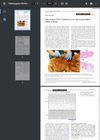 May 2024 in “Animal genetics”
 The researchers investigated a Maine Coon cat with suspected classical Ehlers-Danlos Syndrome and discovered a heterozygous deletion in the COL5A1 gene, underscoring the value of whole-genome sequencing for precise veterinary diagnostics.
 March 2024 in “Frontiers in endocrinology”
 This study reports the first case of mandibuloacral dysplasia syndrome associated with MTX2 gene mutation in the Chinese population, expanding the known spectrum of MTX2 mutations.
22 citations
,
March 1994 in “Journal of Heredity” In this study, researchers identified a mutation in mice that causes hair loss and immune system issues, located on chromosome 18.
 June 2023 in “British journal of dermatology/British journal of dermatology, Supplement”
 This case report describes a 15-year-old girl with features of Becker naevus syndrome, highlighting the importance of DNA analysis from skin to confirm the diagnosis after 9 years of symptoms.
1 citations
,
October 2025 in “International Journal of Molecular Sciences” This study found that zebrafish with a mutation in the GDP-fucose biosynthesis gene exhibited enhanced and faster regeneration of mechanosensory hair cells, implicating the importance of this gene and Notch signalling regulation in hair cell regeneration mechanisms.
48 citations
,
June 2000 in “Japanese Journal of Cancer Research” This study found that dimethylarsinic acid significantly accelerates skin tumor development in hair follicle-targeted K6/ODC transgenic mice.
 20 citations
,
February 2019 in “Genes”
20 citations
,
February 2019 in “Genes” This study identifies a likely pathogenic homozygous missense variant in the AEBP1 gene in a patient with symptoms of classical Ehlers-Danlos syndrome, suggesting new perspectives for EDS classification and research.
May 2018 in “The journal of immunology/The Journal of immunology” This study identified that patients with compound heterozygous mutations in FOXN1 exhibited severe T-cell lymphopenia but retained normal hair and nail development, indicating a distinct clinical phenotype from classic FOXN1 cases.
 165 citations
,
September 2001 in “Genes & development”
165 citations
,
September 2001 in “Genes & development” This study found that Cutl1 mutant mice experienced retarded lung differentiation and abnormal hair follicle morphogenesis, indicating the vital role of CDP in lung development and hair follicle cell-lineage specification.
24 citations
,
January 2023 in “Cancer Research” This study suggests that activating AMPK to phosphorylate ZDHHC13 may enhance MC1R function and reduce melanoma risk in individuals with red hair.
1 citations
,
April 2007 in “The FASEB Journal” In this study, D6D knockout mice showed severe deficiency in AA and DHA, leading to unexpected effects on skin health, fertility, and immune cell development.
 10 citations
,
November 2017 in “Journal of Investigative Dermatology”
10 citations
,
November 2017 in “Journal of Investigative Dermatology” In this study, researchers identified a novel homozygous variant in the FAM83G gene responsible for autosomal recessively inherited palmoplantar keratoderma with curly hair in a consanguineous Pakistani family, suggesting FAM83G plays a crucial role in skin and hair homeostasis.
 59 citations
,
May 2017 in “Scientific reports”
59 citations
,
May 2017 in “Scientific reports” This study found that ZDHHC13 deficiency in mice is associated with abnormal liver function, lipid metabolism issues, and impaired mitochondrial function, highlighting ZDHHC13's regulatory role in liver metabolism.
 May 2023 in “Frontiers in Endocrinology”
 This study found that tildacerfont treatment in males with congenital adrenal hyperplasia reduced androgen levels and improved markers of testicular function, suggesting potential benefits for male reproductive health.

This study identified a missense variant in the EDA gene of a male cat, which likely caused hypohidrotic ectodermal dysplasia, characterized by hair and teeth abnormalities; this represents the first report of such a genetic condition in cats.
11 citations
,
December 2017 in “Orphanet Journal of Rare Diseases” This study found a previously unreported ST14 gene mutation in a patient with ichthyosis-hypotrichosis syndrome, highlighting novel skin and hair characteristics and emphasizing the critical role of the Asp482 amino acid in matriptase activation.
1 citations
,
December 2016 in “Revista română de medicină de laborator” This study reported the first case of a NIPAL4 c.527C>A mutation in Romanian patients with autosomal recessive congenital ichthyosis, finding that NIPAL4 mutations are more common than TGM1 mutations in this population.
 September 2022 in “Research Square (Research Square)”
 This study found that caffeic acid treatment mitigated the negative effects of acrylamide toxicity in Wistar rats by normalizing tissue and serological indices.
September 2017 in “Journal of Investigative Dermatology” Loss of COL17A1 causes hair follicle stem cells to age and leads to hair loss.
October 2025 in “Clinical and Experimental Pediatrics” In this case report and literature review, researchers identified a novel mutation in the CLDN1 gene linked to neonatal ichthyosis-sclerosing cholangitis syndrome and found that its phenotype varies widely, suggesting a multidisciplinary approach is crucial for management.
3 citations
,
April 2020 in “American Journal of Case Reports” This case report describes the first instance of juvenile hemochromatosis type 2A associated with secondary hypothyroidism, linked to a novel mutation in the HJV gene.
February 2024 in “Pediatric Dermatology” In this case report, the researchers identified pathogenic compound heterozygous mutations in a young girl with lipoid proteinosis, noting her relatively mild symptoms and recommending genetic testing for early diagnosis and management of this rare condition.
 July 2017 in “Contemporary Endocrinology”
 This article discusses the ongoing care needs for individuals with 21-hydroxylase deficiency due to mutations in the CYP21A2 gene but does not present new clinical findings.
 35 citations
,
August 2010 in “The American journal of pathology”
35 citations
,
August 2010 in “The American journal of pathology” This study reports that hypomorphic alleles of the Ass1 gene in mice resemble human CTLN1, providing a potential model for preclinical studies and indicating that standard treatments for CTLN1 can rescue phenotypes.
 6 citations
,
May 2012 in “Archives of Dermatological Research”
6 citations
,
May 2012 in “Archives of Dermatological Research” This study reports a novel missense mutation in the HR gene in a 68-year-old Hungarian woman with alopecia universalis and limb deformities, suggesting a need for further research on its role in these conditions.
11 citations
,
February 2011 in “The Journal of Dermatology” This study observed four consanguineous families with congenital atrichia with papular lesions and identified three novel mutations in the hairless gene, which may contribute to the disorder.
November 2022 in “Journal of Investigative Dermatology” This study reported that an HS-associated NCSTN mutation in iPSC-derived skin organoids led to altered hair follicle stem cell differentiation and increased expression of proteins linked to HS inflammation.
 72 citations
,
November 2012 in “PloS one”
72 citations
,
November 2012 in “PloS one” This study found that dysregulation of the folliculin-p0071 interaction may lead to changes in cell adhesion and signaling, contributing to conditions like emphysema and renal cell carcinoma.