Search
for
Sort by
Research
30-60 / 1000+ results
research Study on the mechanism that SNPs related to sex hormone metabolism regulate the imbalance of sex hormones and lead to BPH in rats
This study found that combining finasteride and anastrozole was more effective in preventing and treating benign prostatic hyperplasia in rats than using either drug alone.

research The endoscopic surgical monitoring system-guided impact factors exploring of blood loss and fluid absorption during plasmakinetic TURP: a prospective study in high-risk BPH patients
This study reports that prostate volume, operation time, resected tissue weight, and smoking increase risks of blood loss and fluid absorption during PK-TURP, while finasteride treatment and surgeon experience may reduce these risks.
research Impact of Finasteride on Serum PSA Levels in Men With BPH: A Systematic Review
This systematic review reported that among men taking finasteride for benign prostatic hyperplasia, total PSA levels decreased by 30% to 50%, and free PSA by up to 45%, with reductions in prostate volume and PSA density observed as well.

research Predstanormix Duo – a new domestic combination drug for the treatment of lower urinary tract dysfunction symptoms associated with BPH.
This research found that the new combination drug Predstanormix Duo, with dutasteride and tamsulosin, is bioequivalent to established treatments for benign prostatic hyperplasia, showing similar pharmacokinetics and safety, potentially improving treatment availability and adherence in high-risk patients.

research Scientific augmentation of BPH and its treatment in Unani medicine the review
This review discusses the integration of modern and Unani medicine in the management of Benign Prostatic Hyperplasia, highlighting the potential of Unani herbal formulations as promising alternatives with minimal side effects but reports no new clinical results.
research Referee report. For: Exploring the use of phytotherapy in benign prostatic hyperplasia [BPH]: a systematic review [version 1; peer review: 2 approved with reservations]
Plant-based treatments may help reduce BPH symptoms, but more research is needed.

research Re: The risk of psychiatric disorders in finasteride users with benign prostatic hyperplasia (BPH) and androgenetic alopecia (AGA): A population‐based case–control study
This article critiques a study on finasteride use among individuals with benign prostatic hyperplasia and androgenetic alopecia, highlighting the flawed methodology and potential confounding effects of hair loss on mental health, which confuses interpretation of psychiatric risk.

research Anti-BPH lignans from Urtica triangularis subsp. pinnatifida (Hand.-Mazz.) C.J.Chen
This study found that compound 4 from Urtica triangularis subsp. pinnatifida exhibited stronger anti-BPH activity against BPH-1 cells with an IC50 of 79.75 μM compared to finasteride's IC50 of 91.8 μM, while compounds 1, 2, and 5 showed moderate activity.

research Evaluating Carthamus Oxyacantha For 5α-Reductase Inhibition: Therapeutic Perspectives In BPH
In this study, the n-hexane fraction of Carthamus oxyacantha methanolic extract exhibited significant 5α-reductase inhibitory activity in vitro, suggesting potential therapeutic use for benign prostatic hyperplasia through DHT inhibition.

research The relationship of depression, alcohol and marijuana with treatment for LUTS/BPH.
In this study, marijuana use and depression were associated with a higher likelihood of being treated for lower urinary tract symptoms in men over 45 in a marijuana-legalized region.

research Association of Frailty Index with Clinical BPH Progression and Serious Adverse Events: the MTOPS Trial
This study found that frailty independently raises the risk of clinical BPH progression and serious adverse events in older men, suggesting that shared decision-making is essential when considering medical therapy for frail patients.

research MP27-18 STATEWIDE GEOGRAPHIC PRICE VARIATION OF GENERIC BPH MEDICATIONS
This study found that big chain pharmacies in Pennsylvania charged significantly higher prices for generic BPH medications compared to independent pharmacies, which had more regional price variation.

research A phase I safety study of topical calcitriol (BPM31543) for the prevention of chemotherapy-induced alopecia (CIA): Final study results
This study reported that topical BPM31543 was safe and well-tolerated for patients on taxane-based chemotherapy, with some efficacy indicated in reducing hair loss at all dosages tested.
research PD59-09 PHOSPHODIESTERASE INHIBITORS COULD REVERSE THE PROLIFERATION OF BPH EPITHELIAL CELLS INDUCED BY CD8+ T CELLS IN LOW ANDROGEN CONDITION
This study found that phosphodiesterase inhibitors may suppress the proliferation of benign prostatic hyperplasia epithelial cells by modulating CCL5 levels in low androgen conditions.
research BPH Medications May Increase Risk of Self-Harm, Depression
This study found that seniors using finasteride or dutasteride for benign prostatic hyperplasia may have an increased risk of depression and self-harm, especially during the first 18 months of treatment.
research Abstract P5-11-11: A phase I safety study of topical calcitriol (BPM31543) for the prevention of chemotherapy-induced alopecia (CIA)
In this study involving women undergoing taxane-based chemotherapy, a twice-daily topical application of BPM31543 was well-tolerated and showed potential in reducing severe hair loss, prompting further investigation at higher doses.
research Effects of Castration on BPH
This commentary discusses the historical understanding of castration's effects on benign prostatic hyperplasia and reports no new clinical findings.
research AB40. Sexual side effects of medical treatment of BPH
This review discusses the sexual side effects of medical and surgical treatments for benign prostatic hyperplasia, such as erectile dysfunction and changes in ejaculation, but presents no new clinical findings.
research PD23-01 INHIBITOR OF 5A-REDUCTASE TYPES II PROMOTES THE INFILTRATION OF CD8+T CELLS IN BPH TISSUES.
In this study, treatment with a 5a-reductase inhibitor increased CD8+ T cell infiltration in benign prostatic hyperplasia tissues, suggesting an impact on inflammatory responses.
research PD23-06 CHANGE IN SEXUAL FUNCTION IN MEN WITH LUTS/BPH ASSOCIATED WITH LONG-TERM TREATMENT WITH DOXAZOSIN, FINASTERIDE, AND COMBINED THERAPY
This study observed that long-term treatment with 5ARIs in men with LUTS/BPH was linked to worsening sexual function, whereas doxazosin alone had minimal negative impact.
research Experience of using of Sonirid Duo in treatment of patients with BPH
This study found that Sonirid Duo, a combination of tamsulosin and finasteride, significantly improved symptoms and quality of life in patients with BPH over 12 months.
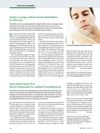
research Glatze in jungen Jahren könnte Risikofaktor für BPH sein
Early balding may be a sign of future prostate problems.
research Efficacy observation of tamsulosin combined finasteride on delay and prevention the progression of BPH
This study reported that treatment with tamsulosin and finasteride significantly improved symptoms and reduced the risk of clinical progression in patients with benign prostatic hyperplasia.
research Efficacy and safety of long-term administration of tamsulosin hydrochloride in patients with LUTS suggestive of BPH
This study found that long-term administration of tamsulosin hydrochloride 0.2 mg is effective, safe, and well-tolerated for improving symptoms and quality of life in patients with LUTS of BPH.
research S170 DOES STATINS HAVE ANY IMPACT ON THE PROGRESSION OF BPH AND LUTS WHEN COMBINED WITH FINASTERIDE
Statins do not impact BPH and LUTS progression when combined with finasteride.
research Finasteride had fewer sexual side effects compared to dutasteride in men with BPH
Finasteride causes fewer sexual side effects than dutasteride in men with BPH.
research 1424 METHYLATION AND DECREASED EXPRESSION OF 5-ALPHA REDUCTASE 2 IN HUMAN PROSATE SAMPLES: IMPLICATIONS FOR RESISTANCE TO THERAPY FOR BPH
This study demonstrated that methylation of the 5-alpha reductase type 2 (5-AR2) promoter is linked to reduced expression of the 5-AR2 protein, possibly explaining resistance to Finasteride in some BPH patients.
research CAN PATIENTS WITH LUTS AND BPH DISCERN CHANGES IN PEAK URINARY FLOW RATE AND DO SUCH CHANGES CONTRIBUTE TO OVERALL SATISFACTION WITH TREATMENT?
This research concludes that finasteride significantly reduces dihydrotestosterone levels and prostate size in men with BPH and may improve urinary symptoms, with greater baseline prostate size predicting more pronounced benefits compared to placebo.
research The influence of secoisolariciresinol diglusoside on non-emasculated rat in BPH
This study found that SDG did not significantly affect prostate weight in rats with BPH, but it may reduce serum PAP activity and alter prostate tissue changes induced by Testosterone Propionate.