 June 2026 in “Frontiers in Immunology”
 In this case report, a 57-year-old man with severe atopic dermatitis, vitiligo, and alopecia areata showed rapid and significant improvement after treatment with the JAK1 inhibitor upadacitinib, suggesting its potential as an effective monotherapy for these co-existing conditions when conventional therapies fail.
 4 citations
,
January 2019 in “Einstein (São Paulo)”
4 citations
,
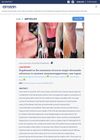
January 2019 in “Einstein (São Paulo)” In this case report, a patient with severe atopic dermatitis experienced significant improvement with dupilumab after other treatments, including immunosuppressive agents, failed to control the disease.
 31 citations
,
July 2017 in “Journal of the American Academy of Dermatology”
31 citations
,
July 2017 in “Journal of the American Academy of Dermatology” This study observed that apremilast treatment improved skin lesions and reduced pruritus in patients with chronic, severe atopic dermatitis and one case of hand and foot dermatitis.
19 citations
,
January 2019 in “JAAD case reports” This study reports a case where a biologic medication used for atopic dermatitis unexpectedly also treated concurrent alopecia areata.
10 citations
,
December 2024 in “Allergy” This study found that tralokinumab effectively reduced the severity of moderate-to-severe atopic dermatitis over 28 weeks in adults, with significant improvements in clinical outcomes and biological markers, although 27.4% of patients discontinued treatment due to adverse events or ineffectiveness.
7 citations
,
January 2022 in “SAGE open medical case reports” This case report describes successful treatment of alopecia areata and atopic dermatitis in a pediatric patient using the Janus kinase 1 inhibitor upadacitinib, with significant hair growth improvements noted after six weeks.
7 citations
,
July 2021 in “JAAD case reports” This review discusses the potential of dupilumab for treating alopecia areata, reporting mixed outcomes with both improvement and new-onset hair loss observed in case reports.
5 citations
,
July 2024 in “Pediatric Dermatology” This study reports that dupilumab significantly reduced alopecia areata severity in pediatric patients with atopic dermatitis, indicating potential as an effective treatment option, though further research on long-term safety and optimal use is needed.
5 citations
,
May 2024 in “Journal of Allergy and Clinical Immunology Global” In this case study, a 29-year-old male with severe atopic dermatitis and alopecia universalis experienced an excellent response to treatment with upadacitinib, indicating it may be a promising option for similar patients.
 January 2026 in “Dermatology Reports”
 This case study reports that a 15-year-old male with multiple autoimmune conditions showed significant improvement in skin and gastrointestinal symptoms, along with hair regrowth, after 16 weeks of treatment with the JAK-1 inhibitor upadacitinib, demonstrating its potential in managing complex autoimmune disorders.
November 2025 in “The Journal of Dermatology” In this case report, a Japanese woman with both atopic dermatitis and alopecia areata showed improvement in both conditions following treatment with nemolizumab.
February 2025 in “Diagnostics” In this study, JAK inhibitors significantly improved outcomes for patients with both atopic dermatitis and alopecia areata, while dupilumab was linked to worsening alopecia in some cases.
 37 citations
,
October 2017 in “Clinical and Experimental Dermatology”
37 citations
,
October 2017 in “Clinical and Experimental Dermatology” This article discusses the potential of oral tofacitinib as a treatment for atopic dermatitis, alopecia areata, and vitiligo, without presenting new clinical results.
9 citations
,
May 2023 in “Stem Cell Research & Therapy” This study found that mesenchymal stem cell treatment alleviated atopic dermatitis-like symptoms in a mouse model by modulating immune and inflammatory responses, with gene expression changes suggesting pathways for potential personalized treatment approaches.
4 citations
,
July 2024 in “PubMed” This study found that platelet-rich plasma therapy may improve symptoms and quality of life in adults with moderate to severe atopic dermatitis, although standardized protocols for its preparation need further study.
2 citations
,
March 2025 in “International Journal of Dermatology” In this case report, the authors described a 46-year-old woman with severe atopic dermatitis and alopecia areata, who experienced significant improvements in both conditions after treatment with the interleukin-13 blocker tralokinumab, suggesting a potential therapeutic role for targeting type 2 cytokine IL-13 in such cases.
 4 citations
,
May 2025 in “Dermatology and Therapy”
4 citations
,
May 2025 in “Dermatology and Therapy” This study found that baricitinib improved symptoms of atopic dermatitis and alopecia areata in both adults and children in real-world settings, aligning with clinical trial results, while noting low discontinuation due to adverse events and no new safety concerns.
 15 citations
,
June 2011 in “Journal of Ginseng Research”
15 citations
,
June 2011 in “Journal of Ginseng Research” In this study, Korean red ginseng was observed to improve skin hydration and reduce both the severity of atopic dermatitis and serum IgE levels after 16 weeks in patients with the condition.
18 citations
,
September 2023 in “Experimental Dermatology” This review examines the role of skin microbes in enhancing the skin barrier and their involvement in skin diseases like atopic dermatitis, while also discussing current and future therapeutic strategies targeting the skin microbiome.
April 2025 in “Digital Commons - East Tennessee State University (East Tennessee State University)” In a mice model of atopic dermatitis, this study reported that a formulated cromolyn sodium oleate gel significantly reduced scab size and provided better healing than dexamethasone, with fewer adverse effects.
 March 2026 in “Cosmoderma”
 This clinical study found that using a cream or lotion as an additional treatment alongside standard care for atopic dermatitis significantly reduced symptoms and improved skin moisturization and barrier function within 28 days compared to standard care alone in participants with mild-to-moderate eczema.
 January 2024 in “Dermatology practical & conceptual”
 This study found that topical immunotherapy was effective in 56.83% of pediatric patients with alopecia areata, but those with co-occurring atopic dermatitis were more likely to show an inadequate response to treatment.
 76 citations
,
October 2019 in “Dermatology and Therapy”
76 citations
,
October 2019 in “Dermatology and Therapy” This review discusses the diagnosis, treatment, and management of atopic dermatitis in developing countries and identifies significant unmet medical needs, particularly in access to care and effective treatments; it reports no clinical results.
 1 citations
,
September 2023 in “Meditsinskiy sovet = Medical Council”
1 citations
,
September 2023 in “Meditsinskiy sovet = Medical Council” In this study involving children with alopecia areata, researchers found that adding narrowband UVB 311 nm therapy to standard treatment significantly improved hair regrowth in those with coexisting atopic dermatitis compared to those without the condition.
September 2025 in “Frontiers in Immunology” This review examines the interconnected processes of atopic dermatitis and alopecia areata, highlighting shared immune imbalances, genetic factors, and microbiome influences, while analyzing current and emerging treatments and identifying gaps in understanding these overlapping conditions.
 November 2023 in “The journal of investigative dermatology/Journal of investigative dermatology”
 In this study, topical application of adipose stem cell exosomes was found to reduce facial redness in atopic dermatitis patients treated with dupilumab, while improving skin hydration and decreasing inflammation markers over 12 weeks.
 November 2023 in “The journal of investigative dermatology/Journal of investigative dermatology”
 This study found that engineered high-affinity soluble CD200R agonists, including ARQ-234, showed superior efficacy in reducing immune responses in various preclinical models of inflammatory conditions, suggesting potential as a therapeutic for atopic dermatitis and other related diseases.
3 citations
,
November 2023 in “The Journal of Dermatology” 4 citations
,
February 2024 in “Anais Brasileiros de Dermatologia” November 2023 in “Journal of Investigative Dermatology” Adipose stem cell exosomes may effectively treat atopic dermatitis by reducing inflammation and improving skin health.