July 2026 in “Journal of Craniofacial Surgery” This study found that silencing SRD5A2 and applying melatonin significantly boosted proliferation and migration of human hair follicle stem cells without causing differentiation, while increasing MT1 expression and reducing 5-alpha-reductase levels.
 2 citations
,
April 2023 in “Expert Review of Clinical Immunology”
2 citations
,
April 2023 in “Expert Review of Clinical Immunology” This review details how baricitinib successfully demonstrated significant hair regrowth in clinical trials for severe alopecia areata, now leading to its approval as the first systemic therapy for the condition, while also highlighting the importance of assessing individual risk factors for adverse events.
 6 citations
,
May 2023 in “Drugs”
6 citations
,
May 2023 in “Drugs” This study reports that baricitinib was more effective than placebo in promoting hair growth in adults with severe alopecia areata after 36 weeks of treatment in clinical trials.
June 2026 in “Frontiers in Medicine” This source reports that in men treated with 5α-reductase inhibitors for androgenetic alopecia, sexual adverse events such as decreased libido and erectile dysfunction occurred at rates from 1.9% to 12% in clinical trials, with effects often being mild and reversible upon stopping treatment.
 February 2020 in “Definitions”
 This study found that finasteride treatment may decrease contraction of seminal vesicle tissue and alter some semen parameters in male rabbits.
 58 citations
,
June 2000 in “The Journal of Steroid Biochemistry and Molecular Biology”
58 citations
,
June 2000 in “The Journal of Steroid Biochemistry and Molecular Biology” This study found that Atlantic croaker nuclear androgen receptors AR1 and AR2 have different binding affinities for androgens, suggesting that they may mediate distinct physiological actions in teleosts.
This chapter reviews various types of aromatic compounds and provides references, but reports no new experimental results.
2 citations
,
April 2024 in “Molecular Plant” Auxin promotes root hair growth through oxidative processes involving reactive oxygen species.
November 2015 in “Journal of the Korea Academia-Industrial cooperation Society” This study established a stable cell line for CRF1 receptor screening, which can be used to develop functional cosmetics and modulators potentially affecting hair re-growth.
January 2013 in “Scholarworks (University of Massachusetts Amherst)” This dissertation reveals that FERONIA, a cell wall-binding receptor kinase, plays a crucial role in regulating plant functions such as sugar signaling, pollen tube reception, and RAC/ROP-mediated auxin signaling.
4 citations
,
June 2020 in “Processes” This study suggests that G. sibiricum has potent aldose reductase inhibitory activity, primarily due to kaempferol rhamnosides, and may be further explored as a natural treatment for diabetes-related complications.
 April 2024 in “The Journal of urology/The journal of urology”
 In this study, researchers found that methylation of the SRD5A2 gene in blood and tissue samples can serve as a biomarker to predict men's clinical response to finasteride treatment for benign prostatic hyperplasia, offering a non-invasive method for assessing potential treatment success.
 37 citations
,
September 2018 in “Journal of the American Academy of Dermatology”
37 citations
,
September 2018 in “Journal of the American Academy of Dermatology” This letter reports a series of cases where the use of ruxolitinib at a lower dose than previously studied led to hair regrowth in patients with severe alopecia areata.
4 citations
,
January 2010 in “International journal of trichology” Bexarotene gel shows promise as a new treatment for alopecia areata.
January 2004 in “Linchuang pifuke zazhi” In this study, all-trans retinoic acid was found to promote differentiation and inhibit proliferation of amelanotic melanocytes from human hair follicles, suggesting a potential role in melanogenesis.
9 citations
,
August 2011 in “The World Journal of Men s Health” This study concluded that administering 5-alpha reductase inhibitors before photoselective vaporization of the prostate increased hemoglobin change, lasing time, and energy required during the procedure compared to controls.
July 2026 in “Journal of the American Academy of Dermatology” May 2025 in “OPAL (Open@LaTrobe) (La Trobe University)” This study identified six molecules from herbal extracts that effectively bind to 5-alpha reductase (5-AR), with Jomogenin showing high binding stability when encapsulated in lipid nanoparticles, suggesting their potential for further experimental analysis to aid hair follicle growth.
January 2026 in “Dermatologic Therapy” In this prospective study, ritlecitinib effectively reduced hair loss in patients with severe alopecia areata, with 43.3% of participants achieving a 20 or lower SALT score by week 24, and showed a good midterm safety profile.
January 2004 in “Journal of Guangzhou University of Traditional Chinese Medicine” This study found that the expression of androgen receptors is higher in the scalp area affected by androgenetic alopecia, and its expression varies based on different traditional Chinese medicine syndromes.
18 citations
,
December 2005 in “Journal of Medicinal Chemistry” In this study, novel substituted benzoyl benzoic acids and phenylacetic acids were potent and selective inhibitors of human steroid 5alpha-reductase type 2, with one compound showing promising bioavailability in rats for potential clinical evaluation.
 16 citations
,
August 2011 in “Annals of Allergy Asthma & Immunology”
16 citations
,
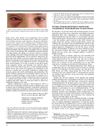
August 2011 in “Annals of Allergy Asthma & Immunology” This report describes a case of a 19-year-old woman experiencing severe recurrent angioedema with airway issues, leading to multiple emergency visits and unsuccessful treatment with typical steroid-sparing agents.
 34 citations
,
February 1993 in “Journal of steroid biochemistry and molecular biology/The Journal of steroid biochemistry and molecular biology”
34 citations
,
February 1993 in “Journal of steroid biochemistry and molecular biology/The Journal of steroid biochemistry and molecular biology” This study found that 4-MA is a potent inhibitor of testosterone 5α-reductase in human tissues, promising potential for treating androgen-dependent skin conditions like male pattern baldness.
 December 2023 in “International Journal of Molecular Sciences”
 In this study, researchers found that young men with androgenic alopecia exhibited significantly higher mRNA levels of 5α-reductase isozymes and changes in prostate cancer-related genes, which could explain varying responses to treatment and guide future therapies.
1 citations
,
August 2024 in “British Journal of Dermatology” This study found that after 15 months of treatment with ritlecitinib, patients with alopecia areata and less than 95% initial hair loss experienced significant hair regrowth, though those with more extensive hair loss showed more variable improvement.

This case report highlights the successful treatment of a 37-year-old male with steroid-resistant beard alopecia areata using baricitinib, a JAK-1/2 inhibitor, over 9 months, resulting in reduced hair loss and improved hair density.
November 2024 in “SKIN The Journal of Cutaneous Medicine” This study found that daily treatment with ritlecitinib 50 mg over 24 months reduced the number of patients in the highest categories of scalp hair loss, with improvements seen in patient responses over time.
 1 citations
,
July 2024 in “The International Journal of Medical Science and Health Research”
1 citations
,
July 2024 in “The International Journal of Medical Science and Health Research” The literature review concluded that while 5α-reductase inhibitors hold promise for managing prostate cancer, they raise significant safety concerns regarding their association with high-grade tumors and mortality, highlighting the need for careful consideration in their clinical use.
 January 2025 in “Natural Product Research”
 This review compiles scientific data on Nyctanthes arbor-tristis Linn., highlighting its documented anti-inflammatory, anticancer, and hepatoprotective properties, among others, and recommends future research to further explore the plant's bioactive components and their potential applications.
This study identified 92 novel regulators of melanogenesis, highlighting Aldehyde dehydrogenase 1A1 as a potential target for developing new treatments for hyperpigmentation disorders like melasma.