May 2011 in “International Society of Hair Restoration Surgery” This notice from the Surgical Assistants Program Chair shares details about the September 2011 ISHRS meeting in Anchorage but reports no new research findings.
This case study observed that a patient with multiple refractory inflammatory conditions, including psoriasis, alopecia areata, and psoriatic arthritis, experienced significant improvements after three months of treatment with upadacitinib. The report suggests potential benefits of upadacitinib for similar conditions, recommending further clinical trials.
5 citations
,
May 2024 in “Journal of Allergy and Clinical Immunology Global” In this case study, a 29-year-old male with severe atopic dermatitis and alopecia universalis experienced an excellent response to treatment with upadacitinib, indicating it may be a promising option for similar patients.
January 2026 in “Archivio istituzionale della ricerca (Alma Mater Studiorum Università di Bologna)” This study observed that baricitinib led to significant hair regrowth and improved psychological well-being in severe alopecia areata patients over 48 weeks, with 63.2% achieving a SALT score of ≤20.
 24 citations
,
January 2017 in “Pediatric dermatology”
24 citations
,
January 2017 in “Pediatric dermatology” This study found that 1% anthralin ointment effectively promoted hair growth in children with chronic, severe alopecia areata, showing complete or partial responses in 70% of participants over 12 months, without serious adverse events.
 59 citations
,
September 2008 in “Experimental dermatology”
59 citations
,
September 2008 in “Experimental dermatology” This study reports that C3H/HeJ mice and DEBR rats serve as effective models for screening potential treatments for human alopecia areata, despite certain challenges in predictability and cost.
 3 citations
,
March 2023 in “JAAD case reports”
3 citations
,
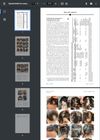
March 2023 in “JAAD case reports” This study describes three cases where patients with recalcitrant alopecia areata achieved complete hair regrowth on the scalp after treatment with upadacitinib, suggesting it may be beneficial for similar cases, especially those with comorbid atopic dermatitis.
August 2025 in “Australasian Journal of Dermatology” This source presents an expert consensus framework for determining which Australian patients with alopecia areata should receive subsidized JAK inhibitor therapy, emphasizing the need for future research including patient perspectives to enhance criteria, ensure fair treatment access, and evaluate real-world outcomes.
June 2026 in “Value in Health”  September 2025 in “Australasian Journal of Dermatology”
 In this update, researchers incorporated TGA-approved Janus Kinase inhibitors into the Australian treatment guidelines for chronic, moderate to severe Alopecia areata, aiming to enhance recommended therapies by providing guidance on the use and management of these systemic medications.
November 2025 in “Journal of Investigative Dermatology” This review highlights that alopecia areata significantly impacts mental health and finances, with patients facing depression, anxiety, and substantial out-of-pocket expenses due to limited insurance coverage.
9 citations
,
April 2009 in “Dermatologic surgery” Infrared light might help treat stubborn alopecia areata.
 March 2026 in “The American Journal of Managed Care”
 The authors concluded that FDA-approved JAK inhibitors, shown to be safe and effective in phase 3 trials, are promising treatment options for severe alopecia areata.
2 citations
,
May 2025 in “Journal of the European Academy of Dermatology and Venereology” In this study, daily treatment with ritlecitinib for up to 24 months led to significant reductions in high-severity alopecia areata SALT scores among patients aged ≥12 years, including those with severe forms such as alopecia totalis and universalis.
10 citations
,
August 2019 in “European Journal of Dermatology” This abstract provides no new clinical results; it discusses the role of surgery and interventional radiotherapy in treating cutaneous squamous cell carcinoma.
 33 citations
,
December 2005 in “Archives of dermatology”
33 citations
,
December 2005 in “Archives of dermatology” This study presents case reports of four patients with alopecia areata or alopecia universalis, highlighting varied responses to treatments like prednisone, intralesional triamcinolone, and squaric acid dibutyl ester.
 January 2019 in “Journal of Case Reports and Scientific Images”
 This case report describes the treatment of a 12-year-old female with Alopecia Areata using oral azathioprine.
1 citations
,
March 2025 in “Pediatric Dermatology” This review highlights the evolution of assessment tools for alopecia areata, revealing newer tools that evaluate beyond scalp hair loss, including psychosocial impact and disease chronicity, which can aid clinicians in developing individualized treatment strategies and enhance research in pediatric dermatology.
 November 2025 in “SKIN The Journal of Cutaneous Medicine”
 In this study, UPA at doses of 15 mg and 30 mg showed higher efficacy than placebo for treating severe alopecia areata in adults and adolescents over 24 weeks, with a safety profile similar to approved uses.

JAK inhibitors, like baricitinib and ritlecitinib, show promise in treating alopecia areata effectively and safely.
 September 2024 in “Journal of the European Academy of Dermatology and Venereology”
 This study found that baricitinib significantly reduced hair loss in patients with severe alopecia areata, decreasing the mean SALT score from 96.6 to 48 over 24 weeks, with no patients dropping out and only mild adverse events in 12.7% of participants.
 March 2026 in “Clinical Cosmetic and Investigational Dermatology”
 In this case study, treatment with the selective JAK1 inhibitor upadacitinib significantly improved symptoms in a patient with refractory alopecia areata, vitiligo, ankylosing spondylitis, and allergic asthma-nasal syndrome, though a transient liver function abnormality was noted.
 April 2023 in “Journal of Pakistan Medical Association”
 This source reports that clinical trials found oral baricitinib significantly improved hair regrowth in patients with severe alopecia areata, with 38.8% achieving at least 80% scalp hair coverage after 36 weeks on a 4-mg dose, compared to 6.2% with placebo in trial 1.
September 2009 in “Hair transplant forum international” This article reports that the ISHRS has formed a committee to register hair restoration outcomes in patients with cicatricial alopecia and other hair diseases, without presenting new research findings.
 7 citations
,
August 2023 in “Journal of the American Academy of Dermatology”
7 citations
,
August 2023 in “Journal of the American Academy of Dermatology” This source reports that the approval of baricitinib and ritlecitinib, which are JAK inhibitors, has marked a significant advancement in treating severe alopecia areata (AA), and suggests that additional treatments with new mechanisms may further improve patient outcomes in the future.
 December 2018 in “Actas urológicas españolas”
 This study reported that cognitive biopsy diagnosed prostate cancer in 44% of patients with at least one previous negative biopsy, with higher detection rates in lesions classified as PI-RADS 4 and 5.
 3 citations
,
May 2015 in “Journal of The American Academy of Dermatology”
3 citations
,
May 2015 in “Journal of The American Academy of Dermatology” Adalimumab significantly improves quality of life for patients with moderate to severe hidradenitis suppurativa.
 April 2023 in “Journal of Investigative Dermatology”
 This study reviewed data from three hospitals and found that alopecia after DRESS occurred more often in severe cases, but the rate of corticosteroid treatment did not significantly differ between patients with and without alopecia.
June 2024 in “Bioscientia Medicina Journal of Biomedicine and Translational Research” In this study, researchers observed that among pediatric alopecia areata patients at Dr. M. Djamil General Hospital Padang, patchy alopecia was most common, affecting 80% of cases, with frequent trichoscopic features including yellow dots, black dots, and broken hairs.
February 2025 in “Clinical and Experimental Dermatology” According to this study, Ireland’s current eligibility criteria for financial assistance on hair replacement products exclude many individuals with alopecia, such as children with non-chemotherapy-induced alopecia, and expanding support could align the country with more inclusive international policies.