Search
for
Sort by
Research
420-450 / 1000+ resultsresearch ALOPECIA AREATA TREATED WITH THORIUM-X
research L-Ornithine ketoacid-transaminase assay in hair roots of homozygotes and heterozygotes for gyrate atrophy
research Real-world retrospective study with upadacitinib in patients with severe alopecia areata: A series of 23 cases
research Trichoscopic Markers and Clinical Response Patterns With Ritlecitinib in Severe Alopecia Areata: 24‐Week Outcomes From a Prospective Real‐World Cohort
In this prospective study, ritlecitinib effectively reduced hair loss in patients with severe alopecia areata, with 43.3% of participants achieving a 20 or lower SALT score by week 24, and showed a good midterm safety profile.
research Association of alopecia areata with atopic dermatitis and chronic spontaneous urticaria
This study found that Israeli patients with alopecia areata had a higher prevalence of comorbid conditions, including food allergies and chronic spontaneous urticaria, compared to matched controls.
research Alopecia Areata – Effects of Treatment with Upadacitinib – Two Case Reports
This case report highlights two instances of alopecia areata, demonstrating diverse presentations, and suggests upadacitinib as a promising treatment option, resulting in hair regrowth within 3–6 months, without worsening sarcoidosis-related skin lesions.
research Safety of Baricitinib in Adults with Severe Alopecia Areata from Two Phase III Trials Over a Median of 2.3 Years and Up to 4 Years of Treatment
Baricitinib is generally safe for long-term use in treating severe alopecia areata.
research Taiwanese Dermatological Association consensus on the diagnosis and management of alopecia areata
This consensus from the Taiwanese Dermatological Association suggests that for mild to moderate alopecia areata, first-line treatments may include topical or intralesional corticosteroids, possibly with topical minoxidil, while severe cases might require systemic corticosteroids or Janus kinase inhibitors.
research Dermoscopy of alopecia areata in restrospective analysis
This study reports that yellow dots in a higher number per field of vision were the most consistent dermoscopic finding in severe cases of alopecia areata.

research Efficacy and Safety of Baricitinib in Patients With Alopecia Areata: A Real‐World Cohort Study
In this retrospective study, baricitinib effectively improved alopecia areata in 78.7% of patients by the end of treatment, with significant hair regrowth observed, particularly in those with disease duration of four years or less, and showed no serious adverse events.

research Baricitinib-Loaded Separable Microneedle Array Patch (S-Map) Based on Hyaluronic Acid for Alopecia Areata Therapy
In this study on mice, a baricitinib-loaded microneedle patch enhanced hair growth in alopecia areata lesions (68% vs control: 33%, p < 0.05), suggesting it may deliver treatment effectively and pain-free, with fewer systemic side effects.

research Phytochemical, Toxicological and Pharmacological Studies of Asiasari Radix et Rhizoma: A Review
This review highlights the traditional use and potential therapeutic activities of Asiasari Radix in drug discovery, but it reports no new clinical results.
research 54675 Organizations to Assist Patients in Accessing Prescription Assistance Programs for Dermatology Medications
Organizations help patients access discounts for expensive dermatology medications.
research Etrasimod for alopecia areata: The scenario for a less extensive and moderate form
This study reported that etrasimod did not achieve significant improvements in hair regrowth for moderate to severe alopecia areata at 24 weeks, although it showed a dose-dependent trend and was safe and well-tolerated over 52 weeks.
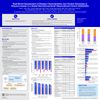
research Real-World Assessment of Disease Characteristics and Clinical Outcomes in Alopecia Areata in a Global Noninterventional Observational Cohort (ADAAGIO)
In this retrospective study of alopecia areata patients across several European countries, researchers observed a notable reduction in SALT scores, but few patients reached or maintained a clinically significant SALT score of ≤20, indicating potentially limited effectiveness of current treatments for extensive hair loss.

research Alopecia Areata – Effects of Treatment with Upadacitinib – Two Case Reports
This study found that early treatment of alopecia areata with JAK inhibitors can improve patients' physical and psychological quality of life without worsening skin lesions associated with sarcoidosis.
research Baricitinib in Alopecia Areata
This Italian study observed that one third of patients with 25 to 50% scalp hair loss from alopecia areata still experienced active patchy disease at long-term follow-up, and another third progressed to more severe forms like alopecia totalis or universalis, with limited recovery.
research Implementing Outpatient Screening of Adult Patients at High Risk for Peripheral Artery Disease
In an outpatient cardiology center, this study found that introducing the AHA/ACC ABI screening protocol significantly increased the frequency of ABI ordering by 31.6% for symptomatic patients.
research Efficacy and safety of the oral Janus kinase 3/tyrosine kinase expressed in hepatocellular carcinoma family kinase inhibitor ritlecitinib over 24 months: integrated analysis of the ALLEGRO phase IIb/III and long-term phase III clinical studies in alopecia areata
In this study, ritlecitinib showed sustained effectiveness and a favorable safety profile in treating alopecia areata in patients aged 12 and older over 24 months, with improvements observed in hair and eyebrow regrowth and patient satisfaction.
research Upadacitinib for Severe Alopecia Areata in Adults and Adolescents
This study found that upadacitinib significantly improved hair regrowth compared to placebo in adults and adolescents with severe alopecia areata, and demonstrated a positive benefit-risk profile.
research Predictive factors for treatment responses to baricitinib in severe alopecia areata: A retrospective, multivariate analysis of 70 cases from a single center
In this study at Tohoku University Hospital, 41% of severe alopecia areata patients achieved significant hair regrowth with baricitinib treatment over 9 months, with predictors of better outcomes including shorter disease duration, female sex, initial mild disease, certain alopecia types, and prior IVMP therapy.
research Atopic Dermatitis and Multilocular Alopecia Areata Simultaneously Treated With Baricitinib
Baricitinib effectively improved both atopic dermatitis and alopecia areata symptoms in a patient.
research Alopecia areata and acitretin
In this study, increasing cases of allergic contact dermatitis in Bulgaria were linked to the use of natural products like propolis and marigold.
research Utility of dermoscopy in alopecia areata
In this study, researchers identified yellow dots as the most common dermoscopic feature of alopecia areata, followed by black dots, broken hairs, short vellus hair, and tapering hairs.

research Patient Profile and Treatment Characteristics of Early Ritlecitinib Initiators in the US
This study reports that ritlecitinib was prescribed to a diverse group of patients, including adolescents and adults with and without prior treatment for Alopecia Areata, in the first three months after FDA approval, potentially expanding care options for this condition.
research A pan-European register-based observational study of abrocitinib and conventional systemic therapies in moderate and severe atopic dermatitis: the DREAM TO TREAT AD study protocol
This study is collecting real-world data to evaluate abrocitinib and conventional systemic treatments in moderate-to-severe atopic dermatitis across five European registers over a three-year period.
research 75993 Safety of Janus kinase inhibitors for treatment of alopecia areata
JAK inhibitors are generally safe for treating alopecia areata.
research The BEARD Score: A Practical Tool to Assess Beard Involvement in Alopecia Areata
The BEARD Score helps assess beard hair loss in alopecia areata for better treatment.

research Alopecia areata. Diagnostic and therapeutic recommendations of the Polish Society of Dermatology. Part 2: Treatment
This review discusses current and emerging treatments for alopecia areata, emphasizing systemic treatments for moderate to severe cases, and reports no new clinical results.