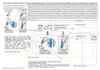
April 2025 in “International Journal of Dermatology” This review by St. Denis et al. highlights that prostaglandin E2 is overexpressed in several skin cancers and suggests targeting its pathway could offer potential treatments for these malignancies.
July 2026 in “Journal of Investigative Dermatology” This study uncovered that bimatoprost, a prostaglandin analog, promotes hair growth by activating hair follicle progenitor cells through two pathways: the PTGFR-MAPK signaling axis and an unexpected IGF1R-PCAD-AKT signaling axis, suggesting new potential targets for treating hair disorders.
18 citations
,
February 2018 in “International Journal of Molecular Sciences” This study found that prostaglandin D2 promotes androgen receptor and AKT signaling in human dermal papilla cells through the DP2 receptor, potentially contributing to androgenetic alopecia.
August 2026 in “Prostaglandins & Other Lipid Mediators” This review suggests that imbalance in prostaglandin levels may contribute to androgenetic alopecia, highlighting prostaglandins as potential biomarkers and therapeutic targets for the condition.
August 2026 in “Zenodo (CERN European Organization for Nuclear Research)” This review suggests that hair loss involves a complex interplay of androgen signaling with various regenerative and inflammatory pathways, challenging the view of dihydrotestosterone as the sole cause.