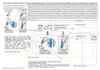
November 2025 in “Frontiers in Pharmacology” In this study, XZYFD, a Traditional Chinese Medicine formulation, was found to improve androgenetic alopecia in a testosterone-induced mouse model by promoting hair regrowth, restoring follicular morphology, and modulating androgen metabolism, MAPK signaling, and lipid metabolism pathways, suggesting potential benefits for patients with metabolic dysfunction.
July 2025 in “Journal of Investigative Dermatology” Acne involves increased lipid production and inflammation, affecting skin cell behavior and treatment resistance.
13 citations
,
April 2002 in “International Journal of Toxicology” This review discusses the use of human and animal-derived placental and umbilical extracts in cosmetics, highlighting insufficient data to establish their safety and recommending they should not have metabolic or endocrine activity.
November 2016 in “Tesis Doctorals en Xarxa (Consorci de Serveis Universitaris de Catalunya)” In this study, researchers found that estrogens activate and androgens inhibit brown adipose tissue thermogenesis via the VMH, affecting energy balance and suggesting targets for treating cachexia and obesity.
14 citations
,
May 2013 in “American Journal of Physiology-endocrinology and Metabolism” This study found that mice lacking myelin protein zero-like 3 (Mpzl3) had reduced body weight and adiposity despite increased food intake, which was linked to higher energy expenditure and improved glycemic control.