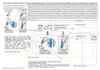
January 2026 in “Nature Communications” This study presented a new wearable textile-based device with near-infrared OLEDs that significantly reduced cell aging markers and improved cell migration in vitro, suggesting it as a promising, non-invasive phototherapy option for hair follicle treatment and hair-loss management.
January 2000 in “Optics Letters” This study found that the maximum infrared temperature of laser-irradiated hair depends on melanin type, with eumelanin-rich hair reaching higher temperatures than pheomelanin-containing hair.
60 citations
,
November 2020 in “International Journal of Medical Sciences” This review highlights the potential of near-infrared light therapy to improve metabolic, antioxidant, and cognitive functions without adverse effects, and supports its use for visual and neurological conditions through molecular and cellular mechanisms, as reported in this source.
December 2025 in “Aesthetic Plastic Surgery” This study reported that the new near-infrared LED device showed significant improvements in skin rejuvenation and a slight increase in hair growth, with further research recommended for broader validation.
April 2024 in “Lasers in medical science” This study found that near-infrared LED therapy enhanced ATP synthesis, reduced reactive oxygen species, and promoted collagen production and hair growth more effectively than white LEDs in human skin cells and a photoaging mouse model.