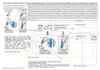
A breakthrough in hair follicle cultivation using induced pluripotent stem cells (iPSCs) has been achieved, producing large hair follicles suitable for transplantation. Clinical trials for this hairmultiplication technology are planned in partnership with Yinguan Biotechnology.
Hair loss treatments still rely heavily on minoxidil, finasteride, and RU58841, with little innovation. Future treatments like stem cell therapy and RNA technology show promise but are not yet available.
Dr. Tsuji's stem cell hairmultiplication procedure may offer a future solution for hair loss, but it is initially expected to be very expensive, with prices potentially decreasing over time. In the meantime, users discuss using treatments like finasteride, despite side effects, to manage hair loss.
To minimize hair loss while using steroids, use finasteride or dutasteride and apply topical anti-androgens like RU58841. Avoid high doses of hair-toxic steroids; prefer testosterone, nandrolone, and boldenone.
The treatment for androgenetic alopecia involves using finasteride and minoxidil with intense exercise and cold exposure to boost metabolism and reduce androgenic effects, potentially leading to hair regrowth. This approach may activate biological pathways for improved hair and overall health.
January 2022 in “Stem cell biology and regenerative medicine”
This review discusses the potential of using human pluripotent stem cells to generate new hair follicles, though practical challenges remain before it can be applied for hair restoration.
This study found that human hair follicles can be used to generate induced pluripotent stem cells, which can then efficiently differentiate back into keratinocytes.
This study found that hair follicles can be used to generate pluripotent stem cells, which successfully differentiate into keratinocytes and may improve hair regeneration and grafting for medical applications.
This review explores the mechanisms of adult stem cell self-renewal, using skin as a model, and reports no new results but raises important unanswered questions in the field.
184 citations
,
December 2018 in “Nature Communications”
This study demonstrated that enhancing human skin constructs with hair follicles through engineered cell organization and vascularization improved hair growth in immunodeficient mice, suggesting potential advances for treating alopecia and chronic wounds.