This study explored the potential of stigmasterol as a treatment for androgenetic alopecia through various simulation techniques, finding promising interactions with key genes involved in hair loss, but further experimental validation is needed before clinical application.
5 citations
,
July 2023 in “Journal of Autonomous Intelligence”
This study evaluates a framework using neural networks and machine learning techniques to classify and detect Alopecia Areata from hair images, aiming for accurate differentiation between healthy hair and the condition.
This research review found that tailoring hair transplant techniques to individual patient needs improves outcomes, highlighting high follicle survival rates and satisfaction when appropriate methods are applied. However, the authors noted that varied study designs limit the ability to make direct comparisons among techniques.
This study used Density Functional Theory-based computational methods to analyze finasteride's molecular properties, finding that the GGA/PW91 method closely matches experimental data for vibrational frequencies and geometric parameters.
The treatment for androgenetic alopecia involves using finasteride and minoxidil with intense exercise and cold exposure to boost metabolism and reduce androgenic effects, potentially leading to hair regrowth. This approach may activate biological pathways for improved hair and overall health.
Male-pattern baldness might increase UVB exposure on the scalp, potentially affecting vitamin D and skeletal health. The hypothesis is debated, with some seeing it as a minor benefit in specific contexts.
A user shared their experience with hair regrowth using supplements like NAC and DIM, and briefly using minoxidil with microneedling. They reported some improvement in hair density, but the community questioned the effectiveness compared to traditional treatments like finasteride.
A 25-year-old male experienced significant hair loss due to telogen effluvium and androgenetic alopecia. He began using finasteride, minoxidil, and vitamins, seeing some regrowth but remains worried about hair density.
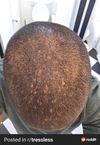
The user noticed small circular hairless spots after a buzz cut and has been using finasteride, dutasteride, and oral minoxidil for hair loss. They are experiencing continuous shedding and thinning, and it is suggested they consult a dermatologist for a scalp examination and possible biopsy to determine if it's alopecia areata or androgenetic alopecia.
Does hair strand thickness decrease in men with androgenic alopecia? Can finasteride help restore it?Androgenic alopecia thins hair strands by miniaturizing follicles. The pivotal finasteride trials (1,553 men, 1 mg/day, two years) report increased hair counts and improved assessed appearance, but they measured density, not the diameter of individual strands, so the effect on thickness itself is not established.
Do alopecia areata patches scar? And is there evidence for peptides?Alopecia areata patches usually still have living follicles and often regrow. One small trial of a cosmetic peptide lotion reported improvement, but no peptide is an approved treatment; see a dermatologist.